How Lemon Vibrators Help Restore Pleasure After Hormonal IUD Insertion
Let's talk about what nobody mentions
You get a hormonal IUD inserted. Your doctor hands you a pamphlet about cramping and spotting. What they don't say: your entire sexual response might shift. Not disappear. Shift. And shift in ways that feel like something's broken when actually something's just different.
Hormonal IUDs release a small amount of synthetic progestin directly into your system. It's way less than birth control pills, which is why it feels "lighter," but it's still enough to change how your tissues respond to touch, how quickly arousal builds, and how your clitoris registers sensation. Throw in the physical presence of the device itself (even though it's tiny), and you're looking at a recalibration that can take months.
The good news: this is entirely normal, and lemon clitoral vibrators, especially air-suction devices like the Lem vibrator, often work better for IUD bodies than traditional vibration alone.
How hormonal IUDs affect sexual sensation
Here's the mechanism. Hormonal IUDs suppress ovulation by thickening cervical mucus and thinning the uterine lining. That suppression happens through progestin, which also affects estrogen and testosterone circulation. Less estrogen means vaginal tissue gets thinner and less lubricated. Less available testosterone means desire itself feels muted.
Your clitoris doesn't shrink or stop working. But the neural pathways that fire when you touch it? They're operating in a different hormonal context. Some people describe it as feeling "further away," like they need stronger sensation to reach the same intensity they felt before.
The pelvic floor also tightens slightly with hormonal shifts. This can actually make traditional vibration feel too intense or even uncomfortable, especially in the first 3-6 months after insertion.
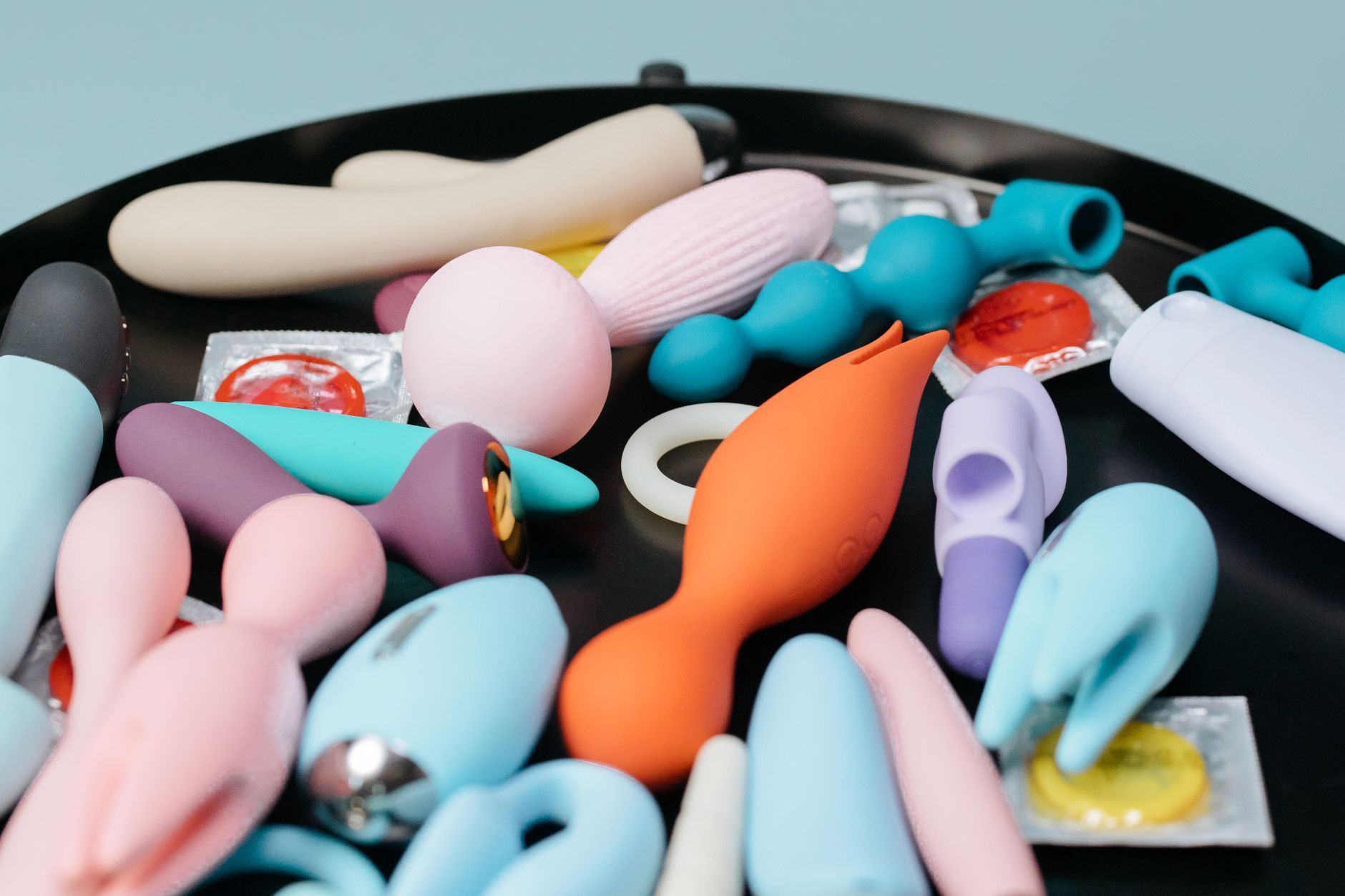
Photo by cottonbro studio on Pexels
Why suction feels different on an IUD body
This is the part that makes lemon sexual toys so effective for people with IUDs. Suction stimulation doesn't rely on the same direct friction that traditional vibrators do. Instead, it creates rhythmic pressure changes that activate different nerve clusters in the clitoris.
When tissue is thinner or sensation feels distant, suction actually reaches deeper into the clitoral structure without requiring aggressive direct contact. You're not pushing harder against tissue that's already tender. You're creating sensation through pressure differential instead.
Lemon vibrators use air-pulse technology. The pulses create a gentle seal and release pattern. For IUD bodies specifically, this tends to feel less overwhelming during those first months when everything feels either numb or hypersensitive. You can start at pattern 1 or 2 and the intensity builds incrementally without shocking your system.
Many of my clients report that after trying traditional vibrators post-IUD insertion (and finding them uncomfortable), switching to a lemon clitoral vibrator felt like finally understanding what their body needed.
The timeline for pleasure recovery
Three months is when most people stop noticing obvious physical changes from the IUD. Six months is when hormonal adaptation really settles. By month nine, the system has usually stabilized.
But pleasure doesn't always follow the same timeline as physical adaptation. Here's what I typically see:
Weeks 1-4: Insertion soreness, cramping, mild spotting. Orgasms might feel different or be hard to reach. This is normal. Your pelvic floor is literally holding a foreign object and responding to hormonal shift simultaneously.
Weeks 4-12: Physical discomfort fades. Sexual sensation often still feels muted. This is where a lot of people get frustrated and think something's permanently wrong. It's not. Progestin is still settling.
Months 3-6: Desire starts returning. Sensation normalizes. This is the sweet spot to reintroduce whatever tools (including lemon clitoral vibrators) made you feel good before. You might need to adjust how you use them, but they usually feel better now.
Month 6+: Most people report pleasure that matches or exceeds pre-IUD baseline. Some report better orgasms because they've had to rebuild intentionality around their own pleasure.
How to use lemon vibrators safely post-IUD
Four practical rules that work:
1. Start low and go slow. The Lem vibrator has seven patterns. Start at pattern 1 or 2. Your goal isn't intensity right now. It's reconnecting with sensation. Spend two minutes at a lower pattern. You can always turn it up.
2. Use plenty of lube, even if you don't think you need it. IUDs mean less natural lubrication. Water-based lubricant reduces friction on thinner tissue and honestly makes everything feel better. It's not a sign of dysfunction. It's basic maintenance.
3. Avoid direct cervical contact. Your IUD sits in your uterus. You won't reach it with a clitoral toy, but some people feel anxious about it anyway. Use a lemon clitoral vibrator externally on the vulva and clitoris. That's where the sensation lives anyway.
4. Give yourself permission to feel different. You're not broken. Your body is operating under different hormonal conditions. A lemon sucker or other clitoral vibrator isn't a workaround to "fix" something. It's a tool that works with your new baseline.
What to do if pleasure doesn't return
Most people find that sensation normalizes within 6-8 months. If it hasn't, there are other factors worth checking.
First, talk to your doctor. Rarely, an IUD is inserted slightly wrong or perforates the uterus. Way more commonly, you might have developed a mild infection or the device is simply not right for your body. There's no shame in having it removed. Some bodies do better with other contraception.
Second, check your medications. SSRIs and some blood pressure meds can tank libido independently of the IUD. If you started a new prescription around the same time as your insertion, that might be a factor.
Third, consider the emotional layer. Getting an IUD is a big decision, often made in a rush at a clinic visit. Some people carry anxiety about the device itself, which suppresses arousal entirely separate from hormones. A conversation with a therapist who understands sexual health can help untangle that.
If you're interested in learning more about how your body responds to different stimulation styles, how to start using lemon vibrators if you've never tried suction is a solid entry point.
Rebuilding desire alongside physical sensation
The IUD shifts hormones, sure. But it also sometimes shifts the story you're telling yourself about sex. You're on contraception now. You might be in a different relationship situation. Maybe you're older than when you last felt fully comfortable with your own pleasure.
The physical sensation change is real. The emotional recalibration is real too. Rebuilding pleasure means addressing both. That might mean spending time touching yourself without any goal beyond noticing what feels good. It might mean asking a partner to slow down. It might mean reading why lemon vibrators work best for sensitive tissue after hormonal changes and realizing you're not alone.
People also ask
Can you use a lemon vibrator with an IUD string?
Yes. The IUD string sits in the vaginal canal, not externally. A lemon clitoral vibrator targets the clitoris and external vulva, so there's no contact with the string. You might feel the string during partner sex or with certain internal toys, but that's separate from using air-suction external toys like the Lem vibrator.
How long after IUD insertion can you start using vibrators?
Wait until the first spotting has fully stopped and you feel comfortable moving around without cramping. Usually that's 1-2 weeks, though some people feel ready sooner. There's no hard rule. Listen to your body. When you do introduce lemon sexual toys, start gently and with extra lubricant.
Do hormonal IUDs affect orgasm ability?
They affect the ease and speed of reaching orgasm, not the ability itself. Some people experience delayed orgasm. Others find it harder to build arousal in the first place. Very few people lose the capacity entirely. How to use lemon vibrators for better orgasms when taking hormonal birth control covers this in more depth, though the principles apply to IUDs too since they work through similar hormone suppression.
Are lemon vibrators better than regular vibrators for IUD bodies?
Not universally, but for many people, yes. Suction feels less jarring on thinner tissue and creates sensation through pressure rather than friction. If you used traditional vibrators before your IUD and they suddenly feel uncomfortable, switching to a lemon clitoral vibrator is worth trying. You can always use both depending on how you're feeling.
What if my partner is concerned about the IUD and my pleasure?
It's worth having a conversation separate from the bedroom. Make it clear that the shift in sensation is hormonal and temporary, not a sign that something's wrong with attraction or desire. If your partner wants to be part of rebuilding pleasure, that's generous. You might want to read how to use lemon vibrators when your partner wants to be involved together.
Can hormonal IUDs permanently reduce libido?
For most people, no. After the 6-9 month adjustment period, libido returns to baseline or higher. A small percentage of people find that a specific IUD type doesn't work for their body long-term, and in those cases, removal often restores desire. It's not permanent unless you keep the IUD indefinitely and your body doesn't adjust. Talk to your doctor if desire hasn't shifted after nine months.
The bridge back to pleasure
An IUD is one of the most effective contraceptions available. It's also a real intervention in your hormonal system. Your body's response to that intervention is valid. Sensation changing isn't a failure. Needing to adjust your pleasure tools isn't weakness.
Lemon clitoral vibrators and other air-suction devices meet post-IUD bodies where they actually are: needing gentler entry points, more intentional stimulation, and tools that work with reduced natural lubrication rather than against it. Most people find their way back to pleasure they recognize or even prefer. It just takes patience, the right information, and sometimes the right tool.
If you'd like to talk through what's happening with your body or explore options in more depth, get in touch.