Here's what happens when hormones shift
Your tissue gets thinner. Not broken, not permanently damaged, but measurably thinner. Estrogen, the hormone that keeps vaginal and vulvular tissue plump and elastic, declines sharply during perimenopause, after giving birth, and during certain hormonal transitions. The result is tissue that's more delicate, more prone to irritation from friction, and slower to lubricate on its own.
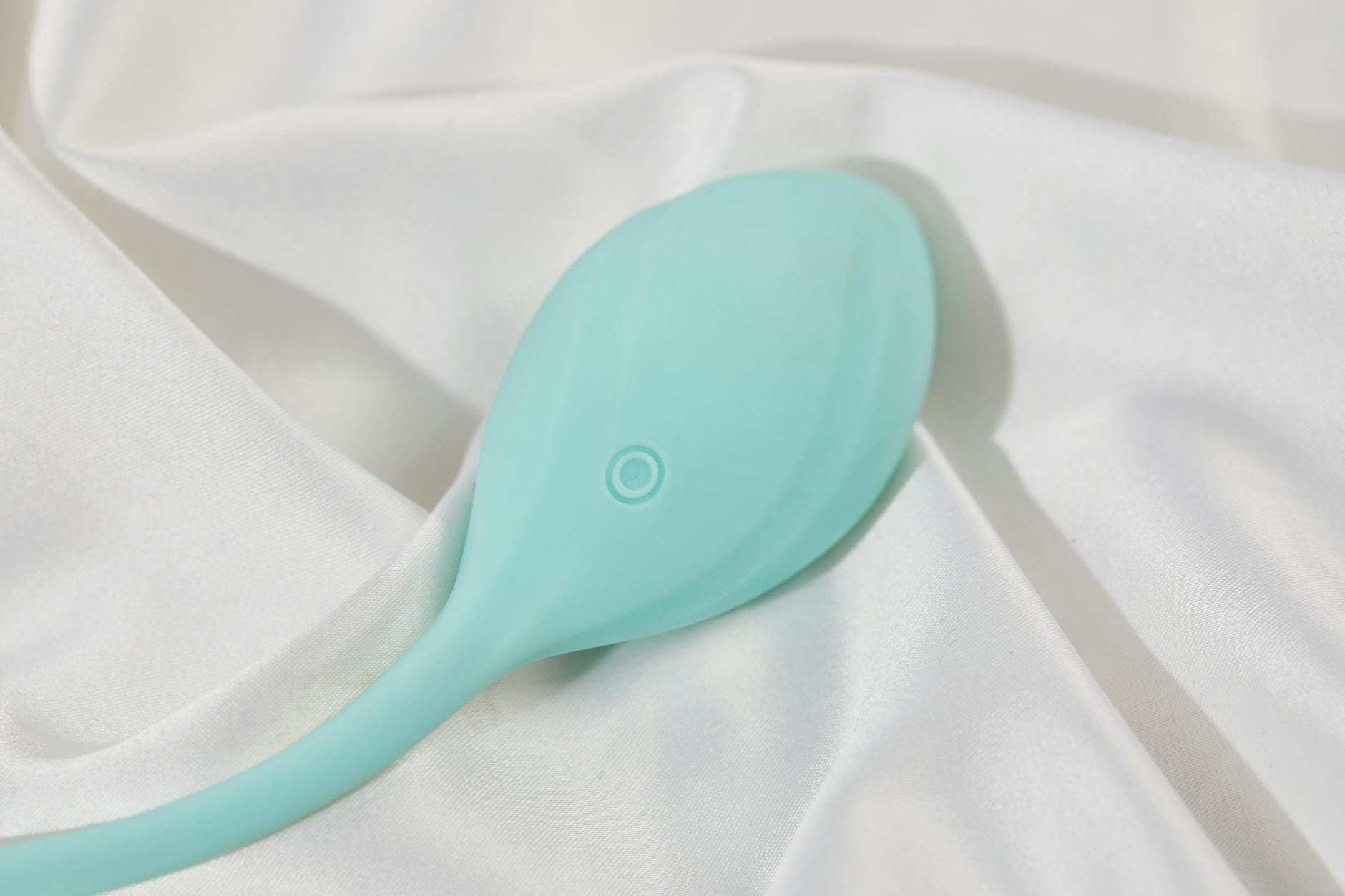
This doesn't mean pleasure ends. It means your approach needs to change. And the tool that works best for sensitive tissue after hormonal shifts is one you might not have considered: a lemon vibrator that uses suction instead of traditional vibration.
The problem with standard vibrators on sensitive tissue
Most vibrators work through oscillation. The motor creates a rapid back-and-forth or up-and-down motion. On healthy, thick tissue with good lubrication, this feels amazing. On tissue that's thinner, drier, or more fragile, it can feel sharp, irritating, or even painful.
The pressure is concentrated in a small area, and repeated friction compounds the irritation. It's like the difference between a firm handshake and someone squeezing your hand repeatedly. The thinner your skin, the more that repetitive pressure bothers you.
This is why how to use lemon vibrators when recovering from hormonal changes gets asked so often. People are trying the vibrators they used before hormonal shifts and finding them uncomfortable. That's not a signal to give up pleasure. It's a signal to switch tools.
Why suction feels different (and better) on sensitive tissue
A lemon vibrator works through suction. Instead of friction, it creates a gentle pulling sensation that stimulates the clitoral nerve bundle without direct abrasion. Think of it less like a jackhammer and more like a soft kiss that builds in intensity.
Here's why this matters for sensitive tissue:
1. No friction means no irritation. Suction pulls blood to the area and stimulates nerves without rubbing the delicate tissue repeatedly. There's no mechanical wear and tear.
2. The pressure is distributed. Instead of a single vibrating point of contact, a lemon clitoral vibrator creates a seal. The stimulation is broader and gentler, even at higher intensities.
3. You control the intensity without controlling pressure. With traditional vibrators, "less intense" often means "less pleasure." With suction, you can adjust the strength of the pull independently from the area of contact. You get full sensation without the sharp edge.
4. It works with thinning tissue, not against it. Hormonal changes thin the outer layers of tissue. Suction bypasses the need for thick, elastic skin to feel good. The nerve endings are still there, still responsive, still capable of intense sensation.
The science of why lemon vibrators suit post-hormonal bodies
Research on genitourinary syndrome of menopause (GSM) and postpartum tissue changes shows that the clitoris itself doesn't change much. The nerve density stays the same. The vascular response (how blood flows to the area) might slow slightly, but it's still robust.
What changes is the surrounding tissue. The vulva loses elasticity. The vaginal opening loses thickness. The skin becomes more fragile.
A lemon vibrator sidesteps this entirely. By using suction and gentle pulse patterns instead of friction, it activates the nerve bundle without asking the surrounding tissue to withstand mechanical stress. The tissue thickness becomes less relevant to the pleasure equation.
This is also why why lemon vibrators feel different for people with pelvic floor tension describes such a positive shift for people. When tissue is sensitive or tense, friction creates a fight-or-flight response. Suction creates a calm, focused sensation that actually allows the pelvic floor to relax rather than clench.
How to use a lemon vibrator on sensitive post-hormonal tissue
If you're new to suction or dealing with significant sensitivity after hormonal changes, these steps make a real difference.
Start with the lowest setting. A lemon vibrator at pattern 1 or 2 feels nothing like a traditional vibrator at low intensity. It's much gentler. Build upward over several sessions rather than jumping to higher patterns immediately.
Use water-based lubricant, even if you don't think you need it. Lubrication isn't just about dryness. It helps the suction seal work better and reduces any potential micro-friction. This matters more with sensitive tissue.
Warm up longer than you used to. Thinning tissue means slower blood flow to the area. Spend 10-15 minutes on foreplay, touching, or gentle external stimulation before introducing the toy. This brings blood to the clitoris and makes the suction sensation even more effective.
Keep sessions shorter initially. Sensitive tissue benefits from consistency and gentleness more than from extended stimulation. A 10-15 minute focused session often produces better results than a 45-minute marathon.
Check in with your body. If anything stings, burns, or feels sharp (rather than intense but pleasurable), stop. This usually means either the pressure is too high for today or you need more lubrication. Neither is permanent.
What hormonal changes actually affect pleasure response
Estrogen affects four main things: lubrication speed, tissue elasticity, blood flow to the clitoris, and the thickness of the skin barrier. It does not affect nerve density, orgasmic capacity, or the clitoris's basic architecture.
Many people find that after initial discomfort with traditional vibrators, they discover orgasms feel different with a lemon vibrator. Sometimes more localized. Sometimes faster to build. Sometimes more intense. These aren't losses. They're recalibrations.
The pleasure isn't less. It's often more satisfying because you're not fighting against tissue sensitivity. You're working with your body as it is now.
When to seek additional support
If pain persists even with a lemon vibrator and extra lubrication, or if sensation feels numb rather than just different, talk to a healthcare provider trained in menopause care or postpartum recovery. Topical estrogen cream, vaginal moisturizers, or other interventions can help. You're not broken. You're just at a transition point that sometimes needs clinical support.
Your pleasure matters now just as much as it did before hormonal changes. Sometimes it takes a different tool to remember that.
People also ask
Do lemon vibrators feel less intense than regular vibrators?
Not really. A lemon vibrator creates a different kind of intensity. Instead of sharp, rapid stimulation, you get building, focused pressure. Many people find suction more intense once they adjust to the sensation. It's not better or worse, just differently satisfying. On sensitive tissue especially, the focused suction pressure often feels stronger and cleaner than friction-based vibration.
Can you use a lemon vibrator if your tissue is extremely thin or painful?
Yes, but start conservatively. The lowest settings on a lemon clitoral vibrator are remarkably gentle, even gentler than many people expect. If penetration or direct friction causes pain, external suction-based stimulation is often completely comfortable. If pain is severe or persistent, check with a healthcare provider first to rule out other issues.
How does a lemon sucker compare to traditional vibrators for hormonal changes?
Traditional vibrators rely on friction and tissue elasticity to feel good. As tissue thins during hormonal transitions, friction becomes less pleasant and elasticity matters less for comfort. A lemon vibrator's suction approach doesn't require thick elastic tissue. It stimulates the same nerves with gentler mechanics. Most people report switching to suction-based toys after hormonal changes and never going back.
Do you need more lubricant with a lemon vibrator after hormonal changes?
You might. Hormonal changes often mean slower lubrication production, and lemon vibrators work best when there's a good seal between the toy and skin. Water-based lubricant helps this happen and also protects sensitive tissue. It's worth having on hand even if you don't use it every time.
How long does it take to feel pleasure again after hormonal shifts?
This varies wildly. Some people feel back to baseline pleasure in weeks. Others take months. Part of this is physiological (how quickly your body adjusts). Part is mental (relearning what feels good with a new body). Using a tool like a lemon vibrator that's designed for post-hormonal tissue can speed this up because it removes the friction barrier that makes recovery harder.
Are lemon vibrators safe for extremely sensitive skin?
Yes. The suction motion doesn't create friction or abrasion, which are the main irritants for sensitive skin. The toy itself is usually made from body-safe silicone. Just make sure you're using water-based lubricant (not oil or silicone-based), and start on the lowest settings. Suction-based stimulation is often the safest option for people with skin sensitivity because there's no mechanical rubbing.
The bottom line
Hormonal changes don't end pleasure. They change how your tissue responds to stimulation. A lemon vibrator is specifically designed for this shift. It works with sensitive tissue instead of against it, uses suction instead of friction, and often delivers more satisfying sensation once you adjust to how different it feels.
If you're struggling with pleasure after hormonal changes, before you assume it's gone forever, try a tool built for the body you have now. Your clitoris hasn't changed. Your pleasure capacity is still there. You just need the right approach to access it.