
Let's talk about the elephant in the bedroom
You want to introduce a lemon vibrator to your new partner. Maybe you've used one before. Maybe this is your first toy, period, and you want to explore it together. Either way, the conversation feels like it's loaded with land mines. What if they think you're not into them? What if they feel replaced? What if it's awkward for the next six months?
Here's the thing: the awkwardness lives in the conversation you have in your head before you actually talk to them. The real conversation is almost always easier than you think.
Why the silence exists (and why it matters)
We're taught that sex toys are a backup plan or a sign of trouble. They're presented as something you resort to if your partner isn't "enough," which is genuinely unhelpful and untrue. A lemon clitoral vibrator isn't a replacement. It's an addition. It's a tool that changes what's possible, not a referendum on whether your partner is doing something wrong.
Most people haven't had a partner bring this up with them before. So they assume it must be rare, risky, or weird to ask. It's none of those things. Studies consistently show that couples who use sex toys report higher satisfaction with their sex lives. When suction toys like the Lem work, they work well. Your partner probably knows this already on some level. You're just saying it out loud.
The opener that actually works
Forget the grand speech. You're not pitching anything. You're sharing something you want to try.
Start casual and honest: "I've been thinking about trying a lemon vibrator. I'd love to explore it with you. Are you open to that?"
That's it. No justification, no apology, no elaborate context. You're telling them what you want. You're inviting them. You're giving them the space to say yes.
If they ask why, keep it simple. "I'm curious about how it feels" or "I've heard good things about them" or "I think it could be fun for us together." You don't need to say your current sensation isn't enough or that something's wrong. You're exploring, not fixing.
If they seem hesitant, ask what concerns them. Usually it's one of three things: they're worried they won't compare, they're unsure how it works, or they've just never thought about it. All three are solvable.
Managing the "am I not enough" conversation
If your partner says something like "Why do you need that if you have me?" they're working from the replacement model. You can reframe that right there.
Try this: "I want to feel different kinds of pleasure with you. A lemon vibrator doesn't replace anything. It just opens up a new experience. Think of it like, you can enjoy a really good coffee, and also enjoy wine. They're not competing."
Or even simpler: "This isn't about you. I want to try it with you because you're the person I want to explore it with."
Be prepared to point out that you might orgasm differently or faster, and that's not because they're doing something wrong. It's because a lemon clitoral vibrator is designed specifically to target nerve endings that manual stimulation can't always reach as directly. That's just physics, not a judgment.
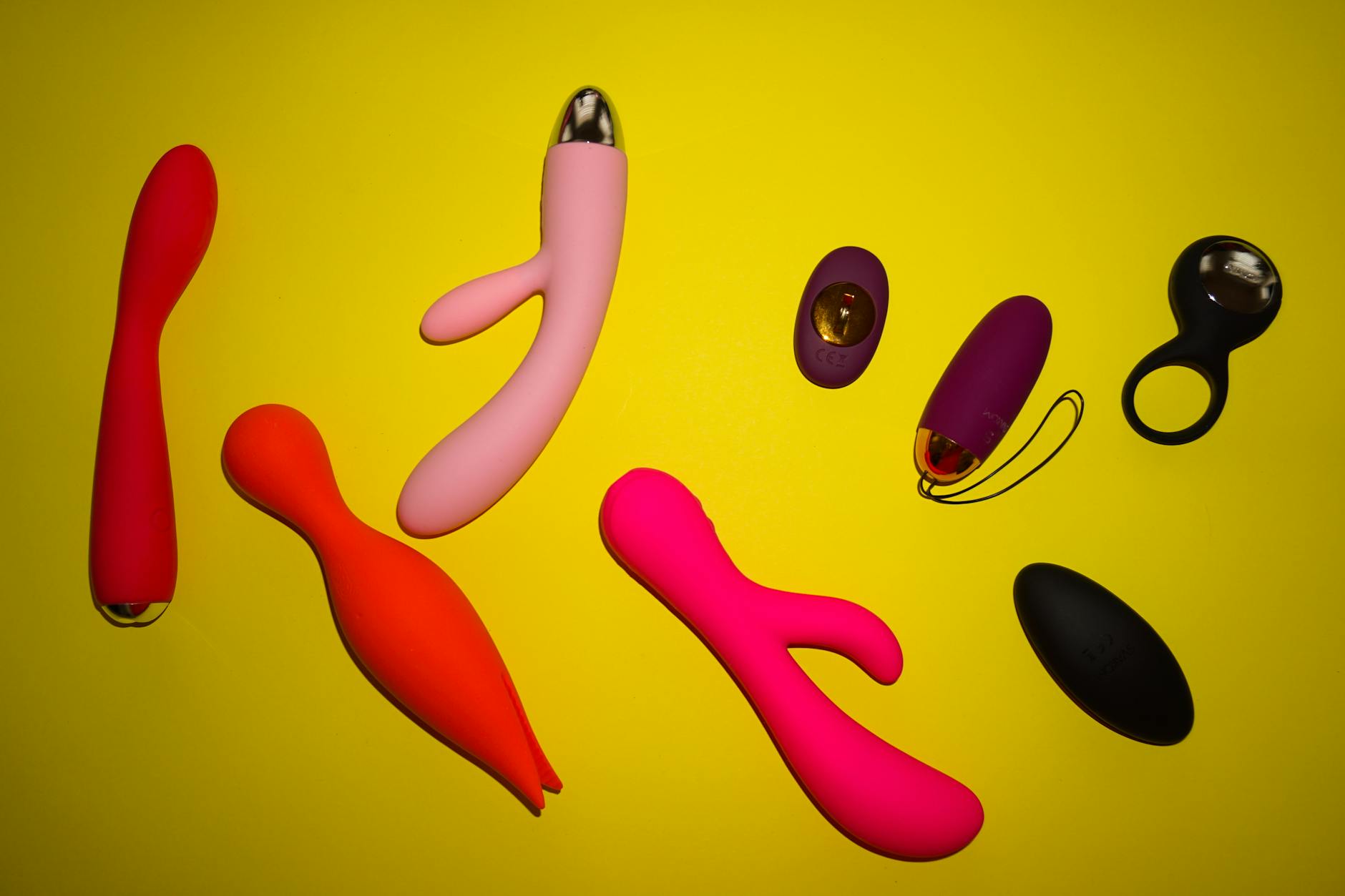
Photo by FounderTips . on Pexels
How to bring it into the bedroom the first time
Don't just produce it mid-foreplay and hope for the best. Build toward it.
When you're together and things are getting intimate, you could say something like: "I brought that lemon vibrator. Do you want to try it now?" This is a question, not a surprise. Your partner gets a moment to mentally shift gears instead of being ambushed.
Start slow. Use it on yourself first so they can see it, hear it, understand what it does. There's less mystery that way. Let them watch. Hands-on learning is less weird than explaining a suction toy with words.
If you want them to use it on you, guide their hand. Show them the settings. Tell them what feels good. You're not handing them an instruction manual and walking out. You're there, communicating, making it collaborative.
Why the Lem and similar toys matter in this context
Lemon suction vibrators like the Lem are genuinely different from traditional vibrators, which can matter when you're introducing a partner to toys for the first time. Suction creates a different sensation. It doesn't require grinding or thrusting. It can feel more intimate because it's gentler while still being incredibly effective.
When your partner is using it on you, they're not doing traditional thrusting motions. They're holding it, adjusting it, watching your face. That's actually more connected than a lot of partnered sex feels. Tell them that. It matters.
What to do if they want to try it on you but are nervous
They might worry about hurting you or not knowing the right pressure. Calm that immediately.
Explain that the Lem is designed to be gentle. The suction creates the sensation, not force. Start on the lowest setting. If they're worried about placement, tell them it works best when it's fully covering your clitoris. You can literally point to where that is. This isn't a secret.
Let them start with one pattern, watch your reaction, ask you questions. "Does that feel good?" is not a stupid question. It's the right question. Encourage it.
After the first time
Talk about it. Not in a clinical way. Just "That felt amazing" or "I liked when you tried that pattern" or "Let's do that again." You're normalizing it. You're making it part of your sex life instead of a one-off experiment.
If it didn't go perfectly, that's fine too. Toys take practice. Your partner might be too in their head the first time. You might both be. That's normal. The second time is almost always better because the novelty has worn off.
The longer view
Once your partner sees that lemon clitoral vibrators aren't a threat, they often get curious. Some partners will want to explore other toys. Some will want to use it on themselves. Some will be happy to keep using it on you and call it a day. All of that is fine.
What matters is that you've opened a conversation about pleasure without shame. That's the real win. How to use lemon vibrators when you have a new partner and want to explore together covers more ground if you want to dig deeper into partnered pleasure, but the foundation is always the same. Talk. Ask. Listen. Then explore.
If your partner has their own hesitations or reservations, it's worth understanding where that comes from. Sometimes it's insecurity. Sometimes it's just unfamiliarity. Sometimes it's a values thing. How to use lemon vibrators when your partner isn't ready for toy integration explores that terrain more carefully if you're working through deeper resistance.
People also ask
Will my partner feel replaced if I use a lemon vibrator during sex?
No, but I understand why you'd worry about that. A lemon vibrator isn't a replacement for your partner. It's an addition to your partnered experience. Think of it this way: if you watch a movie, you're not less interested in your partner being there. The movie is just the activity you're doing together. The toy works the same way. Your partner is still the person you're with, still involved, still the center of the experience. The vibrator is just part of what's happening. Many couples find that using toys together actually increases intimacy because there's more talking, more feedback, more presence.
How do I know if my partner will be open to using a lemon vibrator?
You won't know until you ask, and that's okay. The only real way to find out is to have the conversation. Most people's hesitation comes from never having been asked before, not from deep opposition. When you frame it as something you want to explore together, not something you need from them, it shifts the dynamic. Start small. Mention it casually outside the bedroom. Gauge their reaction. If they seem curious, move forward. If they seem resistant, ask what concerns them. Often those concerns are solvable with information and time.
Is it weird to use a lemon clitoral vibrator with someone I just started dating?
No. If you're intimate enough to be sexual together, you're intimate enough to talk about toys and pleasure. Some people wait a few months. Some people bring it up earlier. There's no timeline that's "wrong." What matters is that you feel comfortable and your partner has given genuine consent. Some early-dating couples find that exploring toys together actually accelerates intimacy because it requires communication and vulnerability. Others prefer to wait. Both are fine. Do what feels right for your relationship.
What if my partner wants to use the lemon vibrator on themselves instead of on me?
That's great. That means they're interested and curious. You can absolutely take turns. Some couples use toys solo in front of their partner. Some prefer partnered use. There's no rule here. If your partner wants to explore sensation on themselves first, that's actually a smart approach. They'll understand the toy, the patterns, the settings. Then when they use it on you, they'll have more confidence. Support that. It's not about you. It's about them getting comfortable with a new experience.
How do I introduce a lemon vibrator if my partner has never used any kind of toy before?
Go even slower. Treat it like a new experience for both of you, even if you've used toys before. Don't assume they know how they work or what different patterns do. Show them. Let them hold it, feel the vibration, see the settings. Explain that lemon suction vibrators work differently than traditional vibrators. They create a gentle suction sensation rather than just buzzing. Start on the lowest setting. Use it on yourself first so they can watch and get comfortable with what it looks like in action. Answer their questions without judgment. People are usually less weirded out by toys once they actually see them and understand how they work.
What if we try it and it doesn't feel good or doesn't work?
That's really common, especially the first time. Toys take practice. You might not be in the right headspace. Your partner might be nervous about hurting you or doing it wrong. The angle might be off. None of that means it's a failed experiment. It just means you need to try again. The second or third time is usually better because the novelty has worn off and you both feel less pressure. If you try multiple times and it genuinely isn't working, it's fine to put it aside. Not every toy works for every person. But give it more than one shot before you decide.