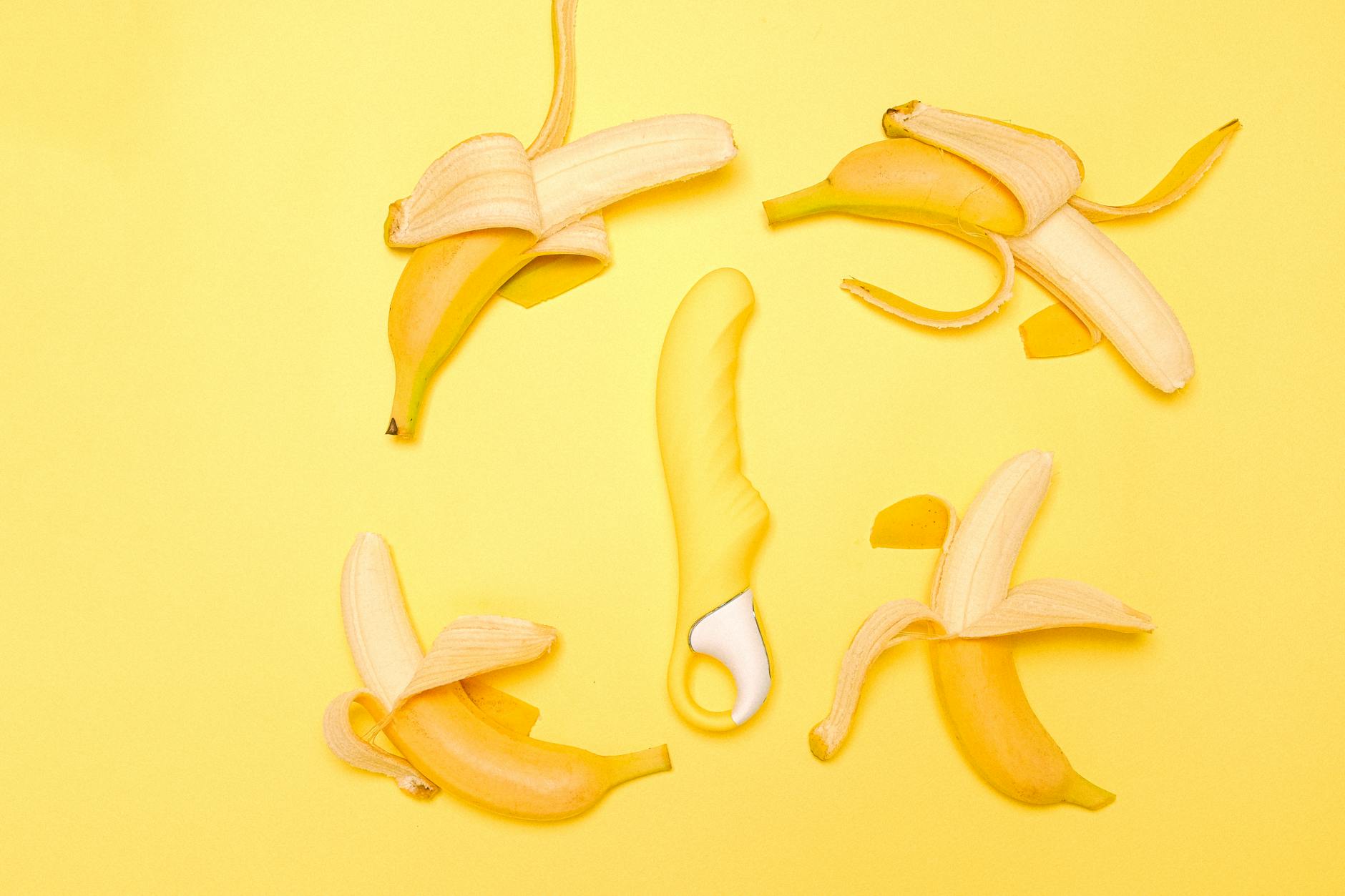
Here's the trade-off nobody warns you about
Your medication is working. Your depression is lighter, your anxiety is more manageable, your blood pressure is stable. And somewhere in that biochemical shift, your ability to feel pleasure got quieter.
This isn't weakness or low libido. This is a documented side effect—and it's wildly common. SSRIs affect around 40-60% of users. Antihistamines, blood pressure drugs, antipsychotics, and even some diabetes medications dull sensation too. Your nervous system is doing exactly what these drugs were designed to do: dampening signals. The problem is they don't discriminate between "worry" and "touch."
The good news? You don't have to choose between mental health and pleasure. But you do need to understand the mechanics.
Why medications numb sensation (the actual neuroscience)
Most sensation-dampening medications work on one of two pathways: serotonin or the parasympathetic nervous system.
SSRIs—the most common culprit—increase serotonin availability in your brain. Serotonin is amazing for mood. It's less amazing for arousal, which actually needs some norepinephrine and dopamine firing. When serotonin floods the system, those other neurotransmitters can get crowded out. Genital sensation becomes muted. Orgasms take longer or feel weaker. Sometimes they disappear altogether.
Antihistamines work differently—they block histamine, which is involved in the inflammatory cascade that happens during arousal. Less inflammation means less blood flow, less engorgement, less sensation.
Beta-blockers and ACE inhibitors for blood pressure do similar things: they're excellent at calming the sympathetic nervous system (your "fight or flight"), which means your parasympathetic system (your "rest and digest") never gets fully activated. And arousal lives in the parasympathetic.
The mechanism matters because it tells you what might help. You can't fight chemistry with willpower. But you can amplify the signals that are still reaching your body.
Why lemon vibrators work differently than other toys
Most vibrators rely on vibration intensity to create sensation. If your sensory threshold has risen because of medication, you need more intensity, which gets uncomfortable fast—or you need a different kind of stimulation altogether.
Lemon suction toys use a different principle entirely. Instead of vibration, they create a gentle rhythmic suction and release around the clitoris. This stimulates the tissues and nerves without requiring the same amount of inherent sensation to register pleasure. The suction actually pulls blood into the area, which increases engorgement and natural lubrication—something medications often suppress.
For people on SSRIs or antihistamines specifically, this can be transformative. The suction mimics what happens during arousal, helping restart that cascade even when your medication is dampening the signal.
The pattern options on a lemon clitoral vibrator let you find what your nervous system responds to right now, without needing to commit to intense vibration.
Starting over with sensation: the medication adjustment
If you've been on your medication for less than three months, your body is still adjusting. Sexual side effects can peak at 4-6 weeks and sometimes improve as your system stabilizes. But if you're past the three-month mark and still numb, the side effects are probably here to stay without intervention.
Here are your options, in order of what to try first:
Talk to your prescriber. Not to get off the medication—that's usually not the answer—but to discuss timing, dose, or alternatives. Some SSRIs cause fewer sexual side effects than others. Bupropion, for instance, often improves sexual function. Switching classes might be an option. Timing your dose differently (taking it after sex instead of before) sometimes helps too.
Add a toy designed for medication-related numbness. This is where lemon sexual toys shine. Because suction works on a different neurological pathway than vibration, it can circumvent some of the dampening that SSRIs cause. Start with patterns 1-3 and work up. You're not trying to force an orgasm. You're waking up the nervous system.
Extend your warm-up time. Medication delays arousal. Where you used to need ten minutes, you might need twenty-five now. This isn't a problem—it's information. Budget the time. Let your body respond at its own pace.
Consider combination therapy. Some people find that pairing a lemon clitoral vibrator with partnered touch, or using it during partnered sex, creates enough sensory input to breakthrough the dampening. The suction handles one pathway; a partner's hands handle another.
The psychological piece (it's bigger than you think)
Medication-related numbness often comes wrapped in shame. You're supposed to feel pleasure. Your brain isn't cooperating. So you stop trying, which means your nervous system gets even quieter because arousal is partly a learned pathway.
This is where how to use lemon vibrators when rebuilding pleasure after sexual avoidance becomes relevant. Numbness can feel like it's not worth exploring, so you avoid. The avoiding makes the numbness worse.
The reframe: you're not broken. Your nervous system is operating under different rules right now. Using a lemon vibrator isn't forcing pleasure. It's creating the conditions for your body to remember what pleasure feels like, even if the signal is quieter than it used to be.
If you have a partner, separating "my medication affects my sensation" from "I don't want you" matters enormously. These are different conversations. One is physiological. One is relational. Confusing them turns both conversations into dead ends.
Practical steps: using lemon vibrators with medication-affected sensation
1. Start with pattern one, even if you used to need higher patterns. Medication changes baseline sensitivity. What feels numb to you might actually be registering—you just need to learn to feel it again. Patterns 1-3 let you practice that without sensory overload.
2. Use lubricant, always. Medications that reduce engorgement also reduce natural lubrication. Water-based lube isn't a weakness—it's infrastructure. It also makes suction more effective because there's a better seal.
3. Warm up for 15-25 minutes before using the toy. Mental arousal—fantasy, erotica, partnered foreplay—activates your parasympathetic nervous system, which your medication might be suppressing. Get your brain engaged first, then introduce the toy.
4. Track what changes. If you switch SSRIs or adjust your dose, your sensation might shift. Notice what patterns feel different. This is data for your prescriber and for you.
5. If nothing happens the first few times, don't quit. Rebuilding sensation takes weeks sometimes. Your nervous system is learning a new baseline. Consistency matters more than intensity.
When to circle back with your doctor
If you've been using a lemon clitoral vibrator consistently for 4-6 weeks and sensation still hasn't improved, bring this to your prescriber. Not as "the toy didn't work," but as "my medication side effects are significantly affecting my quality of life." That's the conversation that opens doors—sometimes a dose adjustment, a different SSRI, or an augmentation strategy (adding another medication that restores sexual function) can help.
For some people, that augmentation is actually bupropion or buspirone, which enhance dopamine and can restore some sensation even while the SSRI keeps depression managed.
You don't have to live numb. Medication-related numbness is real, common, and treatable. A lemon vibrator is one tool. Your prescriber is another. Using both changes everything.
FAQ
Do lemon vibrators work better than regular vibrators for SSRI-related numbness?
Suction stimulation activates different nerve pathways than vibration alone. For people on SSRIs specifically, suction can feel more effective because it creates physical engorgement in addition to nerve stimulation. That said, some people respond better to vibration and others to suction. The best approach is trying both to see what your nervous system prefers right now.
Can I take my SSRI at a different time to improve sensation?
Sometimes. SSRIs have long half-lives, so timing doesn't always work—but it's worth asking your prescriber. Taking your dose after sex, or switching to a formulation you take less frequently, might help in some cases. This isn't something to do without guidance though; your dose timing matters for overall symptom management.
How long does it take for medication numbness to improve with a toy?
It varies. Some people notice increased sensation within days. Others take 4-6 weeks of consistent use for their nervous system to rewaken. The key is consistency without pressure. Use it because you're exploring, not because you're trying to force an outcome.
Will switching SSRIs definitely restore my sensation?
Often, but not always. Different SSRIs have different sexual side effect profiles. Sertraline and paroxetine tend to cause more sexual dysfunction than escitalopram or citalopram. Bupropion causes less. But individual variation is huge. What kills sensation for one person might have minimal impact on another.
What if my partner's medication affects their sensation?
The conversation is exactly the same, just redirected. Help them connect with their prescriber about options. Support their exploration with toys. Separate the medication issue from the relational issue. And remember that sensation isn't the only way intimacy works—touch, presence, and slowness matter too.
Can I use a lemon clitoral vibrator while taking medication that affects sensation, or will it make things worse?
Using a toy won't make medication-related numbness worse. What might happen is you feel nothing the first few times, which feels discouraging. That's normal. Your nervous system is recalibrating. Stick with it. The sensation usually comes back as your body learns to interpret the new signals.
You haven't lost your capacity for pleasure
Medication-related numbness feels permanent because it is consistent—but consistency isn't the same as forever. Your nervous system has simply recalibrated around a different neurochemical reality. That can shift again. And in the meantime, tools like lemon vibrators and honest conversations with prescribers can restore far more pleasure than silence and avoidance ever will.
The fact that your medication saves your mental health doesn't mean you have to sacrifice physical pleasure. Both matter. And both are possible.