Let's talk about what recovery actually feels like
Illness doesn't just happen to your body. It happens to your relationship with your body. After infection, injury, surgery, or prolonged fatigue, pleasure feels distant not because you're broken, but because the whole system rebooted. Your nervous system is still learning to trust sensation again. That's not weakness. That's smart biology.
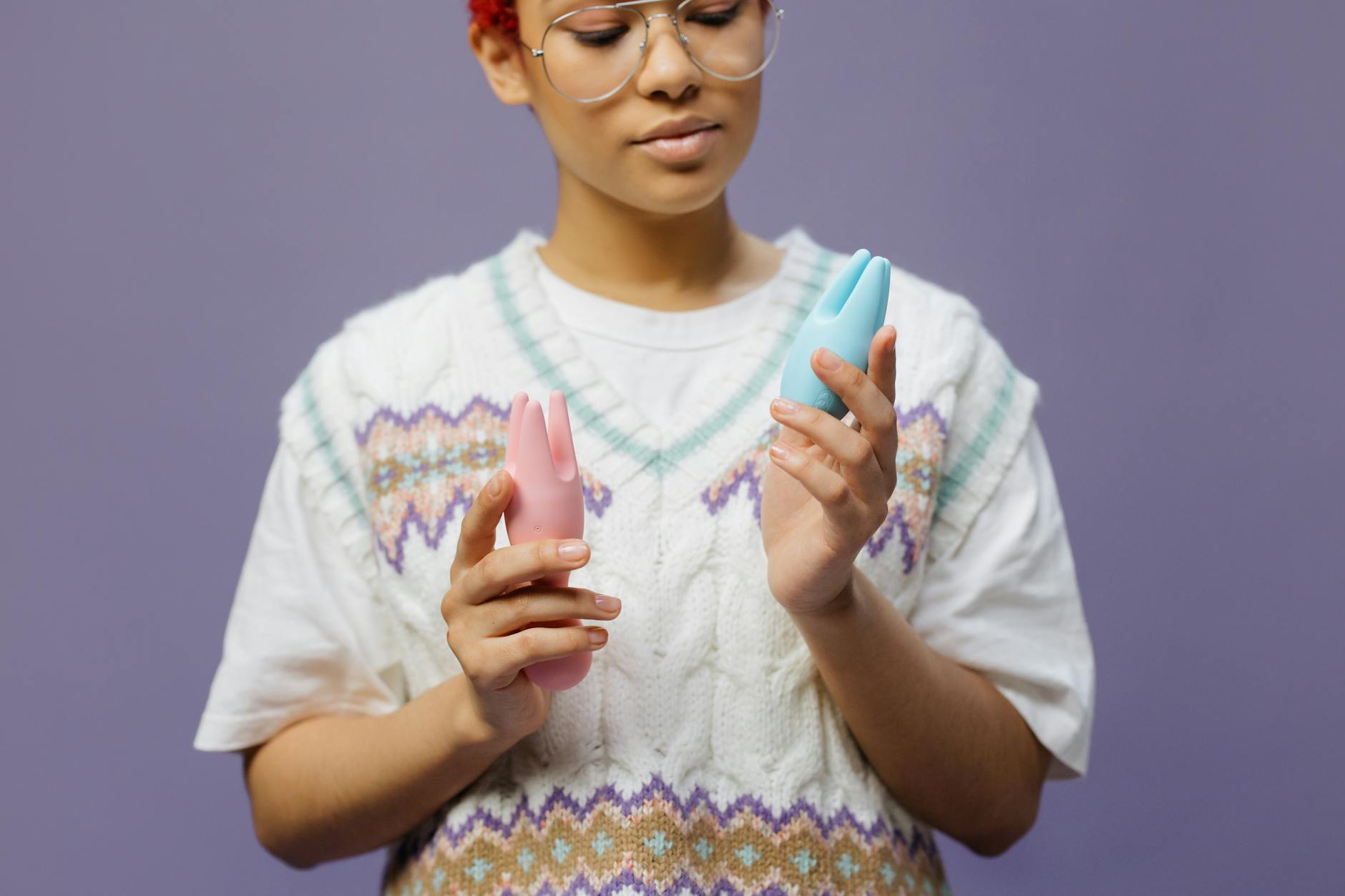
One of the hardest things I see people do after illness is expect their pleasure to return on the old timeline. It won't. And trying to force it creates shame instead of connection. The good news: lemon clitoral vibrators are uniquely suited to gentle, gradual pleasure recovery because they work with your body's current state, not against it.
Why illness changes sensation in the first place
When you're fighting infection or healing from surgery, your nervous system goes into conservation mode. Blood flow redirects to healing. Inflammation dampens nerve signaling. Even after the acute phase ends, that protective shutdown lingers. Your body doesn't flip a switch. It gradually remembers it's safe to feel again.
Hormones shift during and after illness too. Chronic pain dampens desire. Medications affect lubrication and arousal speed. Fatigue is libido's nemesis. And here's the thing nobody tells you: muscle weakness from illness changes the physical experience of sensation itself. A clitoral vibrator that felt perfect before might feel too intense now because your pelvic floor is protecting itself with extra tension.
The suction technology in lemon vibrators—the way they gently draw tissue rather than vibrate directly against it—gives you a gentler entry point. You can start at sensation levels that feel nourishing instead of overwhelming.
The first 2-4 weeks: reintroduction phase
Don't aim for orgasm yet. Aim for sensation without pressure.
Start solo. Your body needs time to remember what pleasure feels like before adding another person's expectations into the mix. Set aside 10–15 minutes when you're not exhausted. Not after a full day of recovery efforts. Pick a time when your energy is at its genuine peak, even if that's 20% of your pre-illness baseline.
Begin with the lowest pattern on your lemon vibrator. Not the lowest you can tolerate. The lowest that registers as "oh, I feel that." Use lube, even if you think you don't need it. Recovery flattens lubrication production. Water-based lube isn't admitting defeat. It's reading your body accurately.
Don't chase sensation. Let sensation find you. Many people coming back from illness describe this phase as relearning their own anatomy. Where does pleasure live now? Has it moved? Is it sharper, duller, more localized? These aren't questions with wrong answers. They're information.
Weeks 2-6: building capacity without forcing
Once light sensation feels good, you can gradually play with intensity and duration. But "gradually" here means weeks, not days.
Add one pattern level per session, not every session. Spend 3–4 days with pattern two before trying pattern three. Notice whether your body asks for more or whether you're supplying the push. These feel wildly different. Asking feels like natural curiosity. Supplying feels like checking a box. You want to follow your actual desire, not your idea of what recovery should look like.
Many people find that post-illness, shorter sessions with breaks feel better than longer stretches. Try 10 minutes, pause, rest for 20, then continue if you want. Your nervous system is still calibrating. Stop-start cycles actually help it recalibrate faster than pushing through.
If you experience pain during this phase, that's a stop signal. Not "work through it." Stop. Pain during recovery isn't pushback from a lazy body. It's your nervous system saying the timing isn't safe yet. There's no prize for ignoring it.
When and how to involve a partner
Most couples rush this step. I see it constantly. Someone gets cleared by their doctor and the partner assumes that means sex is back on the table. It doesn't.
Wait until you've spent at least 3–4 weeks rebuilding solo pleasure. You need to know what your baseline is now before another person's presence changes it. Then, the conversation with your partner isn't "I'm ready for sex again." It's "My body is slowly coming back online. Here's what feels good right now. Here's what doesn't." This conversation matters more than any physical technique.
When you do explore together, using a lemon clitoral vibrator can actually reduce pressure. You're not relying on your partner's hands or body to provide all the stimulation. The vibrator does some of the work. This is especially valuable if post-illness fatigue means your partner gets tired faster or if you need longer warm-up time. The tool becomes a bridge, not a replacement.
Talk explicitly about what watching means to your partner. Some partners feel excluded watching. Some feel relieved of pressure. Don't assume. Ask.
Medication, fatigue, and the patience thing
If you're on antibiotics, antivirals, or pain management, know that many of these suppress desire. This isn't permanent. It's temporary pharmacology. The moment you stop or switch, sensation often bounces back faster than you'd expect.
Fatigue is the bigger villain here. Pleasure takes metabolic energy. When your body is still healing, that energy is spoken for. You might have the neural capacity for sensation but not the actual fuel. This is why afternoon sessions sometimes work better than evening ones. It's not that pleasure is gone. It's that you're depleted.
Giving yourself permission to wait is not giving up. It's working with biology instead of against it. I've seen people recover faster by resting more than by forcing activity. Counterintuitive. True.
FAQ: What people actually ask during recovery
How long before pleasure feels normal again?
Depends on the illness and your body. Viral infections often clear faster than bacterial ones. Surgery recovery takes weeks to months. Chronic illness that lasted years? Expect longer. The honest answer: there's no finish line. Your pleasure won't return to exactly how it was before because you're not the same person. You're wiser, more cautious, more aware of your body. That changes everything. Some people say post-illness pleasure is richer because of it.
Is it okay to use lemon vibrators while still on pain medication?
Yes, with caveats. Pain meds don't harm vibrators or tissue. But they do numb sensation, which might make you push harder than your body can actually handle. You might not feel pain until after the session ends. So slow down extra deliberately. Use less intensity. Shorter sessions. Your body's feedback system is compromised, so you become the external feedback system.
What if I feel numb even with stimulation?
Numbness is common during recovery. Inflammation, medications, nervous system protection, and fatigue all cause it. This doesn't mean sensation is gone forever. It means your nervous system is still offline. Keep showing up without pressure. Sensation often returns gradually, then suddenly. You'll have a session where you barely feel anything, then the next week something clicks back online. Don't predict the timeline. Just be consistent and patient.
Should I tell my partner I'm using a lemon vibrator during recovery?
Yes. Especially if you're going to explore together later. Secrecy creates distance when you're already vulnerable. Transparency does the opposite. You're relearning your body. Your partner should know that's happening. Framing it as collaboration instead of hiding it strengthens the relationship during a fragile time.
What if my partner finds this threatening?
This conversation needs to happen now, not in the moment. Tell your partner: "My body needs time to remember what pleasure feels like. A lemon vibrator helps that process. This isn't about you or what you can or can't do. It's about my nervous system recalibrating." Some partners need reassurance. Some need to understand this is medical, not rejection. Some need you to use it together so they're not left out. Those are three different conversations, and they all matter.
Can I use lemon clitoral vibrators immediately after surgery?
Check with your doctor first. Most gynecological surgeries require 2–4 weeks of no penetration or vibration. But non-penetrative clitoral suction stimulation, especially at low intensity, is often clearable earlier. Ask specifically. "Can I use an external clitoral vibrator?" Not the vague version. The doctors usually say yes faster than you'd expect.
The thing people don't say about recovery
Recovering pleasure after illness isn't just physical. It's emotional. You're processing the fear of "what if it never comes back?" You're grieving the body you had before. You're rebuilding trust in your own physical sensation. That's enormous work. Using a lemon vibrator is one tool in that process, but the real work is the permission you give yourself to do this slowly.
Your body didn't fail you. It protected you. Now it's learning to feel safe again. Lemon clitoral vibrators help that conversation happen. One pattern at a time. One session at a time. No rush. No shame.
If you're struggling with rebuilding desire after a longer recovery, how to use lemon vibrators when rebuilding desire after life disruption covers the emotional side alongside the physical. And if your post-illness experience includes pain or discomfort interrupting pleasure, that's a different conversation we've addressed separately in how to use lemon vibrators when pain or discomfort interrupts pleasure.
The key: you're not broken. You're rebuilding. And your body is smarter than you think.