Let's be real about perimenopause and pleasure
Perimenopause sneaks up. You might have regular periods still, irregular cycles, or something wildly unpredictable. Your estrogen is swinging like a pendulum. Your clitoris doesn't respond the same way. That thing that used to work in thirty seconds now needs five minutes, or ten, or sometimes feels numb no matter what you do.
Then someone tells you to "just use a vibrator" like it's that simple. The problem is most vibrators were designed for bodies mid-cycle. Perimenopause asks for something different.
Why perimenopause changes sensation
Here's what's happening biologically. Estrogen controls blood flow to your clitoris. When estrogen drops (or spikes and crashes repeatedly), the tissues around your clitoris get less support. They're still sensitive. Still capable. But the pathway from stimulation to response takes longer. It's like the signal has to travel a different route.
Your skin becomes more delicate too. Direct vibration that felt amazing at thirty-five might feel too intense at forty-eight. The vaginal tissue thins slightly even though you're not fully menopausal yet. Lubrication comes and goes.
The psychological piece matters just as much. Perimenopause brings heat flashes, sleep disruption, mood shifts. Your brain is flooded with stress about what's coming next. That cortisol shuts down arousal faster than anything else. You're not less sexual. You're dealing with hormonal static.
Why lemon clitoral vibrators work differently during this phase
Lemon vibrators use suction technology instead of just vibration. That distinction becomes crucial when your tissues are more sensitive but your nerve pathways need more time to activate.
Suction pulls blood into the tissue gently. It stimulates through pressure changes rather than direct mechanical friction. For perimenopause bodies, this means:
- You can use lower intensity settings without losing sensation
- Stimulation feels broader and less sharp
- Blood flow increases gradually rather than all at once
- You can spend longer in the experience without fatigue or irritation
A regular vibrator does one thing: it moves fast. Your tissues during perimenopause actually benefit from a multidimensional approach. Suction gives you that. Lemon sucker technology lets you control the intensity in ways that match your body's slower arousal arc during hormonal fluctuation.
That's not a downgrade. It's just different.
Setting up your perimenopause pleasure practice
Start by shifting your expectations around timing. Budget thirty to forty minutes if you can. This isn't about rushing to an orgasm. You're teaching your nervous system that pleasure is still accessible.
Use a water-based lubricant before you start. Your perimenopause body produces less lubrication, especially on lower estrogen days. Lubrication matters partly for comfort, but also because it helps the suction sensation feel smoother. Silicone lube feels luxurious but damages silicone toys, so stick with water-based.
Start at setting one on your lemon clitoral vibrator. Let it sit gently on your vulva and just breathe. Thirty seconds. That's it. Let your body recognize the sensation without demanding anything of it. Then move to setting two. Another thirty seconds.
The temptation is to jump to setting five because you're "not feeling anything." Don't do that. Your sensitivity during perimenopause isn't about the toy being too weak. It's about your nervous system needing time to register what's happening.
Once you've moved through settings one through three and you notice actual sensation, slow down. Stay there. Build arousal gradually by alternating between light pressure and slightly more intensity. Think of it like a conversation, not a race.

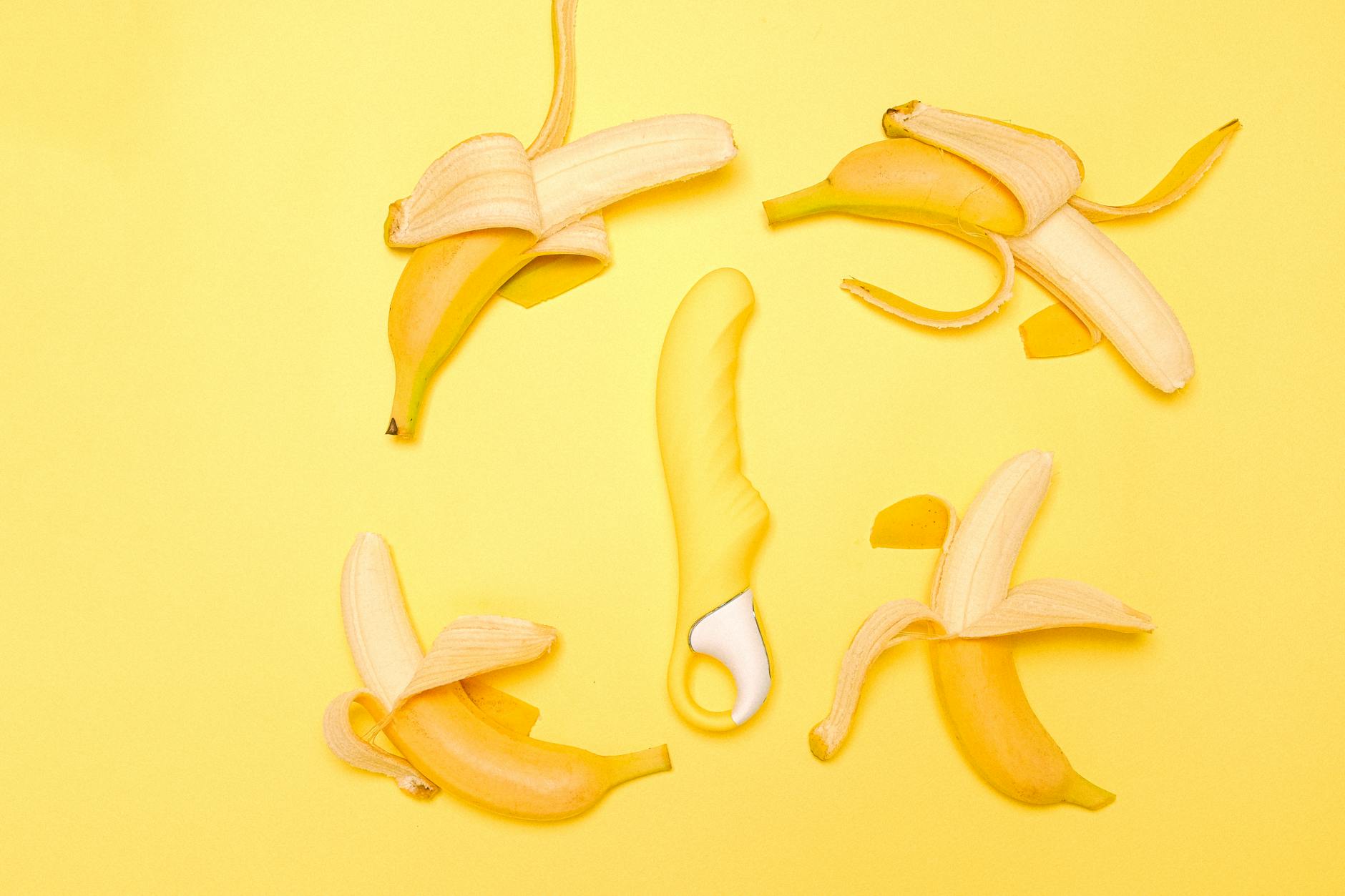
Photo by cottonbro studio on Pexels
The hormonal cycle actually matters right now
During perimenopause, you might notice your arousal feels dramatically different depending on where you are in your cycle. On high estrogen days, sensation comes back almost to normal. On low estrogen days, everything feels muffled.
That's not psychological. That's physiological. And it's useful information.
Start tracking. Not obsessively. Just notice which days feel more responsive. Maybe it's mid-cycle. Maybe it's randomly scattered because your perimenopause isn't following any predictable pattern. Once you see the pattern, plan accordingly. Save your dedicated pleasure time for high-sensation days if you can. On low-sensation days, keep things shorter and gentler.
This isn't settling. This is working with your body instead of against it. When you're navigating reduced sensation from hormonal changes, matching your practice to your cycle takes enormous pressure off.
The pelvic floor tension piece
Most people don't realize perimenopause tightens your pelvic floor. Lower estrogen means less collagen support, which triggers protective tension. Your pelvic floor muscles clench. You might feel it as a dull ache or just a sense of restriction.
This actually dampens sensation. A tight pelvic floor shuts down arousal. Before you start using your lemon vibrator, spend five minutes doing reverse Kegels. That means consciously relaxing and releasing your pelvic floor instead of clenching it.
Lay flat. Breathe in for four counts. On the exhale, imagine your pelvic floor releasing downward like an elevator descending. It feels weird the first few times. Keep going. Your body will start to recognize what release feels like. Then pick up your lemon clitoral vibrator and you'll find sensation is sharper, less blocked.
The pleasure gap and how suction helps
There's something researchers have noticed about perimenopause bodies. The gap between arousal and orgasm gets wider. You might feel a little bit turned on but that warm, full-body sensation doesn't build the way it used to.
This happens because blood flow to your genital area isn't automatically triggered by mental excitement anymore. You need external stimulation to pump blood in. That's where lemon suction toys make a huge difference. The suction mechanism is actively drawing blood into your tissues. You're not waiting for your body to do something it's struggling to do.
Using a lemon vibrator on suction setting one or two for five to ten minutes before you even think about orgasm closes that gap. By the time you're ready to push toward climax, your tissues are already engorged and responsive. The orgasm itself often feels more accessible.
Managing the all-or-nothing problem
Sometimes during perimenopause, either everything feels amazing or nothing works. There's no middle ground. That's incredibly frustrating. You're waiting for the stars to align just right before you bother.
Instead, treat every pleasure session like an experiment. Today might be a "just feel good without orgasm" day. That counts. It still matters. When you're rebuilding pleasure after hormonal changes, progress isn't linear. One session feels incredible. The next feels meh. That doesn't mean anything is broken. Your hormones are cycling through changes.
Use your lemon sucker without a destination. Just sensation. Just touch. Some days that leads to orgasm. Some days it doesn't. Both are wins because you're showing your nervous system that pleasure is still available.
When to check in with a doctor
If you suddenly feel sharp pain during any sexual activity, schedule an appointment. Pain is different from low sensation. Pain says something needs attention.
If you're noticing you're completely numb even with stimulation, if arousal has essentially disappeared, or if you're having significant vaginal dryness even with lubricant, talk to your gynecologist or a menopause specialist. Perimenopause can sometimes mask other issues. You deserve to have someone check.
Most perimenopause-related sensation changes improve with time. But if they're severely affecting your quality of life, there are options. Topical estrogen creams, systemic hormone therapy, or other approaches might help. A lemon clitoral vibrator is a tool, not a cure. But it's often the first tool that helps people reconnect with pleasure while their body is going through this transition.
Your perimenopause pleasure is not a waiting game
A lot of people approach perimenopause like they're sitting in a holding pattern until menopause hits. That's the wrong frame. This phase is still your sexual life. Your pleasure still matters right now. What you're exploring with lemon vibrators, what you're learning about your body's responses, is building a foundation for the next decade.
Lemon clitoral vibrators work because they meet your perimenopause body where it actually is. Not where it was. Not where it will be. Where it is right now. That's not less. That's just different. And different can be deeply pleasurable once you stop fighting the change.
Frequently asked questions
How long does it usually take to feel sensation again during perimenopause?
There's no universal timeline, but most people notice arousal takes noticeably longer during perimenopause. What took thirty seconds might take five to ten minutes. Some people find that's temporary, shifting week to week. Others notice it sticks around for months. Using a lemon vibrator consistently often helps train your body to recognize and respond to stimulation faster, even as hormones fluctuate. Patience genuinely helps here.
Can I use a lemon vibrator if I'm already on hormone therapy?
Absolutely. Hormone therapy doesn't make vibrators less effective. If anything, if HT has stabilized your estrogen somewhat, you might find sensation is more predictable. Some people combine both. Start at lower settings regardless because hormones are still shifting, even with therapy.
Is it normal to feel nothing for weeks during perimenopause?
Yes, unfortunately. Perimenopause hormones are erratic. You might have high arousal for a few days, then absolutely nothing for two weeks, then it's back. That's the nature of fluctuating estrogen. It doesn't mean anything is permanently wrong. It means your nervous system is cycling through wild hormonal states. Keep using your lemon clitoral vibrator even on low-sensation weeks. You're maintaining connection even if orgasm isn't happening.
Will a lemon vibrator work better than my old vibrator during perimenopause?
Likely yes. Most traditional vibrators are built around a specific arousal pattern. Your perimenopause body needs gentler stimulation that doesn't require as much direct pressure. The suction technology in lemon vibrators mimics a different kind of stimulation entirely. That often translates to more sensation on lower settings, which means less fatigue and less irritation for delicate perimenopause tissue.
Should I be using lubricant every time during perimenopause?
Yes. Even if you're noticing some natural lubrication, adding extra water-based lubricant prevents irritation and makes stimulation feel more consistent. Perimenopause means your natural lubrication is less reliable. Using lubricant as a standard part of your practice removes the variable of whether your body produced enough on that particular day.
Does perimenopause pleasure come back to normal after menopause?
Sometimes yes, sometimes no. Every person is different. Some people find sensation and arousal stabilize once menopause fully hits. Others notice changes that persist. The good news is that understanding your body during perimenopause, learning what works with tools like lemon vibrators, gives you a foundation for pleasure at any hormonal stage. You're not just waiting for normal to return. You're building something new that works.
Ready to reconnect with pleasure during this transition? Let's talk about what might work for your body. Get in touch with us if you have questions about lemon vibrators, perimenopause, or anything else affecting your intimate wellness.