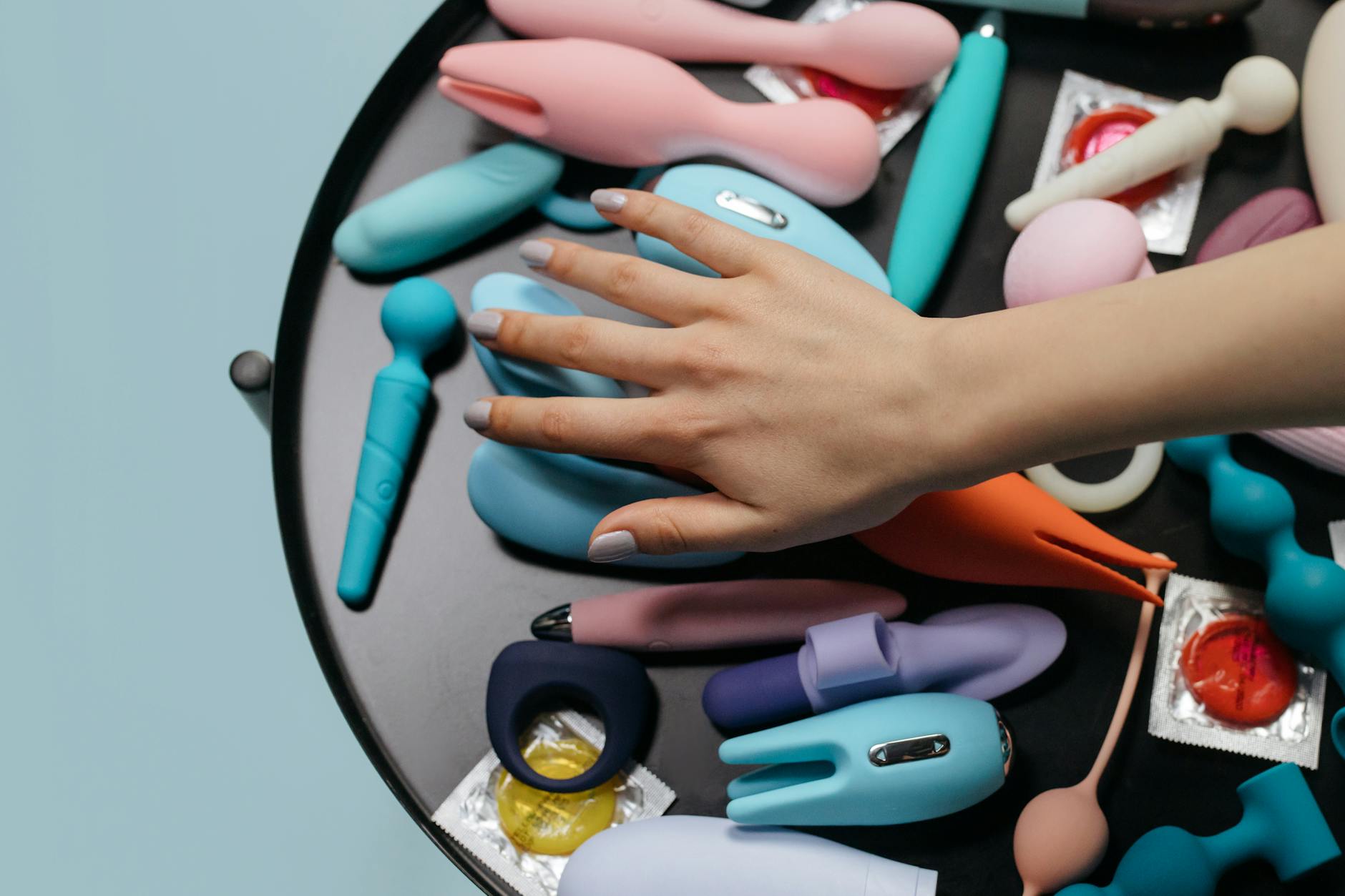
When sensation just feels dimmer
Let's be real. Hormonal fluctuations don't just change your mood or your skin. They change how your body feels pleasure. And when that sensation dulls, the first instinct is often panic. You wonder if you've lost something permanently. You don't have.
Reduced sensation from hormonal shifts is one of the most common things people don't talk about. Birth control, thyroid medication, cortisol spikes from stress, perimenopause, even the hormonal IUD—they all muffle your body's ability to register touch. It's like someone turned down the volume on pleasure without asking permission.
The good news: lemon vibrators work differently than your hands ever could. And when your baseline sensitivity drops, that difference matters a lot.
What hormones actually do to sensation
Your nervous system runs on neurotransmitters—dopamine, oxytocin, serotonin. Hormones regulate their production and how receptive your nerve endings are to stimulation. When hormonal balance shifts, three things happen.
First, blood flow to genital tissue decreases. Less blood means less engorgement, which means less sensitivity. It's not a feeling thing. It's a circulation thing. Second, estrogen drops, and with it, the thickness of your vaginal tissue thins slightly. Thinner tissue means fewer layers between nerve endings and the surface, which sounds like it should feel more, but actually? It often feels less because the tissue itself is more fragile and your nervous system compensates by sending weaker signals. Third, neurotransmitter production shifts. Especially serotonin. Low serotonin makes everything feel muted, including pleasure.
What doesn't change: your actual capacity for orgasm. Your clitoral nerve density. Your brain's ability to register pleasure when stimulation is strong enough.
Why lemon vibrators work when sensation is low
Your fingers, a partner's touch, even most vibrators rely on friction and direct pressure. When sensation is reduced, those traditional methods demand a higher threshold of stimulation before your nerves even register what's happening. By the time you feel something, you've already worked hard.
Lemon suction vibrators work on a completely different principle. Instead of friction or direct pressure, they use gentle rhythmic suction to stimulate the clitoral nerve cluster. Suction doesn't require the same threshold of sensation to register. It creates a steady pattern of pressure change that your nervous system can detect even when overall sensitivity is dampened.
The pattern matters. When sensation is reduced, consistent, rhythmic stimulation is exponentially more effective than variable or sporadic touch. Your nervous system locks onto the pattern and amplifies it. It's not magic. It's neurology.
Starting with the right expectations
If you've been using traditional vibrators, switching to a lemon clitoral vibrator when sensation is low might feel subtly different at first. You might not feel much on setting one. That's not a failure. That's information.
Start on the lowest setting for at least five minutes. Your nervous system needs time to recognize the pattern and build arousal. Most people expect instant sensation. When sensation is already dampened, you're asking your body to do more with less. Give it time.
Some people find that the first time they use a lemon vibrator with reduced sensation, the orgasm feels quieter. Smaller. That's also not failure. It's often your first real orgasm in months or longer. Your body might need a few sessions to rebuild its capacity. Think of it like physical therapy for your pleasure nervous system.
The practical setup that actually helps
When sensation is reduced, environment matters more than you'd think. Pressure on the clitoris from tight clothing reduces sensation further. Wear loose pants or nothing below the waist. Temperature also shifts blood flow. A warm shower or bath before using your lemon vibrator can increase genital blood flow slightly and sometimes makes sensation sharper.
Mind state is not a spiritual concept here. It's neurology. When you're tense or anxious, your nervous system is in a defensive posture. Your body literally perceives touch as threat rather than pleasure. Spend ten minutes doing something calming before you start. Breathe slowly. Some people find that a few minutes of non-sexual touch on other parts of their body (neck, inner arms, earlobes) wakes up their touch receptors and makes sensation sharper overall.
Lubricant is mandatory even if you don't think you need it. Hormonal changes often mean less natural lubrication. Lube isn't a sign of a problem. It's a tool that reduces friction and makes suction more effective. Water-based lube works best with silicone toys.
Layering sensation back in
Once you've used a lemon clitoral vibrator for a few sessions at low settings, you can start experimenting. Many people find that combining suction with other types of stimulation works better than suction alone when sensation is muted. That might mean using your lemon vibrator while a partner touches you elsewhere. It might mean using a second toy at the same time. It might mean building intensity more slowly than you used to.
Some people with reduced sensation find that pelvic floor exercises help rebuild sensation over time. That's not quick. It takes weeks. But if you're rebuilding, it helps. Kegels are one approach. The opposite approach is learning to fully relax your pelvic floor, which can also increase sensation by reducing physical tension that compresses nerves.
One thing I see repeatedly: when sensation is low, people assume the toy isn't working. Then they try a different toy. Then another. What actually works is patience and consistency. Your nervous system needs at least 5-10 sessions with the same stimulus pattern before it fully wakes up to that pattern. Switching toys every session resets that clock.
When to loop in a partner
If you're partnered, this is a conversation worth having early. Reduced sensation from hormonal changes isn't about your partner. It's about your nervous system. But partners often absorb it as personal rejection. It's not.
Some partners find it genuinely hot to watch you use a lemon vibrator. Some feel insecure. Both are valid. The conversation that helps is specific: "My body is responding differently to stimulation right now. Using a lemon vibrator helps me feel pleasure again. This is about me rebuilding my nervous system, not about you or our connection."
If a partner wants to be involved, they can be. They might hold the vibrator for you. They might touch other parts of your body while you use it. They might simply be present. The more specific you are about what helps, the more likely they can actually help.
When medication or medical changes are involved
Some hormonal shifts are temporary. Birth control adjustment, stress reduction, or hormone level stabilization can sometimes restore sensation naturally over weeks. Some are longer term. If you're on a medication that's dulling sensation, talk to your doctor before stopping it. Often there are dose adjustments or alternative medications that work better for you.
If reduced sensation is from a hormonal IUD or another medical intervention you chose, lemon vibrators can bridge the gap during the months your body is adjusting. Most people find that sensation returns or stabilizes within 3-6 months. You don't need to white-knuckle through that time without pleasure.
The thing no one tells you
Reduced sensation can actually teach you something valuable. When you have to pay attention to find pleasure, you often discover that pleasure lives in places you'd never looked before. Some people find they enjoy different patterns of stimulation after their sensation dampened and then slowly returned. Some find new types of pleasure altogether.
You're not broken. Your nervous system is responding appropriately to hormonal signals. And lemon vibrators are specifically designed to work with your actual neurology, not against it.
People also ask
How long does it take for sensation to return after hormonal changes?
It depends on the cause. Sensation related to birth control adjustment typically improves within 1-3 months as your body stabilizes. Stress-related numbness can take longer because cortisol elevation suppresses pleasure neurotransmitters. Perimenopause-related changes are more gradual and may take several months. The good news: using a lemon vibrator consistently during this time often accelerates the recovery because you're maintaining neurological activity in your pleasure pathways.
Can reduced sensation from hormones be permanent?
Rarely. Hormones shift. When hormonal balance returns to a new baseline, sensation usually does too. Some people find it's different than before, not worse. If sensation doesn't improve after your hormones stabilize or after addressing the medication that caused the shift, that's worth discussing with a doctor. It could indicate something else going on.
Is it normal to need higher settings on a lemon vibrator when sensation is reduced?
Completely normal. You might find you're using higher settings now than you would have before hormonal changes dampened sensation. That's not escalation or addiction. It's your nervous system asking for stronger input to reach the same threshold. As sensation returns, you typically gravitate back to lower settings naturally.
Does using a lemon vibrator too much delay sensation recovery?
No. The opposite. Consistent stimulation helps your nervous system maintain and rebuild sensation pathways. Think of it like exercising a muscle that's gone dormant. Disuse makes it weaker. Gentle, consistent use helps it recover.
Can I use a lemon clitoral vibrator if I'm on antidepressants that lower sensation?
Yes. Many people on SSRIs find that lemon suction vibrators work better than other tools because suction creates a different kind of sensory input than traditional vibration or friction. If you're on medication that affects pleasure, it's worth trying different approaches. The pattern and type of stimulation matter as much as intensity when sensation is already dampened.
Should I tell my partner I'm having trouble with sensation?
Yes, but frame it right. Lead with the solution, not the problem. "My body's responding differently to stimulation right now. I'm using a lemon vibrator to help. It's actually working really well." Most partners want to help. Give them clear, specific information about what helps and what doesn't. That turns a potential awkward conversation into a practical one.
What comes next
Reduced sensation from hormonal changes is one of those things that feels permanent when you're in it. It's not. Your nervous system is incredibly adaptable. Lemon vibrators work with that adaptability instead of fighting it.
If you want to talk through what's happening with your body and explore options that fit your specific situation, reach out to us at /contact. We're here to help you rebuild pleasure, not perform it.
Your sensation will come back. And sometimes, when it does, you'll find it's sharper, more specific, and more interesting than it was before.