Here's what nobody tells you about aging and pleasure
After 60, your body doesn't lose the ability to feel good. But the infrastructure changes. Vaginal tissue thins. The pelvic floor loses elasticity. Traditional vibrators, which rely on direct friction and rapid oscillation, can feel uncomfortable or even painful on tissue that's no longer as thick or as lubricated as it once was. For years, women have been told this is normal and they should accept it. That's not true.
Lemon vibrators work differently than standard vibrators because they use suction and gentle pulsing instead of aggressive friction. For post-60 bodies with vaginal atrophy, that distinction transforms the entire experience from uncomfortable to genuinely pleasurable.
What happens to tissue after 60
Estrogen production drops significantly after menopause, but the decline continues steadily into your sixties and beyond. Lower estrogen means several things happen at once: the vaginal epithelium (the outer lining) becomes thinner and more fragile. Blood flow to the area decreases, which means less natural lubrication and slower arousal. The vaginal walls lose collagen, which makes them less stretchy and more prone to micro-tears during penetration or direct friction.
Genitourinary syndrome of menopause (GSM) isn't just a medical term. It's the physical reason why vibrators that worked beautifully in your forties can suddenly feel harsh in your sixties.
But here's the part that matters: your clitoris does not thin. Clitoral tissue remains relatively stable through aging. The nerve density doesn't change. Your capacity for orgasm doesn't disappear. What changes is how you get there safely.
Why suction beats friction for older tissue
Traditional vibrators work by vibrating the external tissue directly. That's fine when tissue is thick and well-lubricated. On thinner tissue, it can create irritation, rawness, or even small tears that hurt for days afterward.
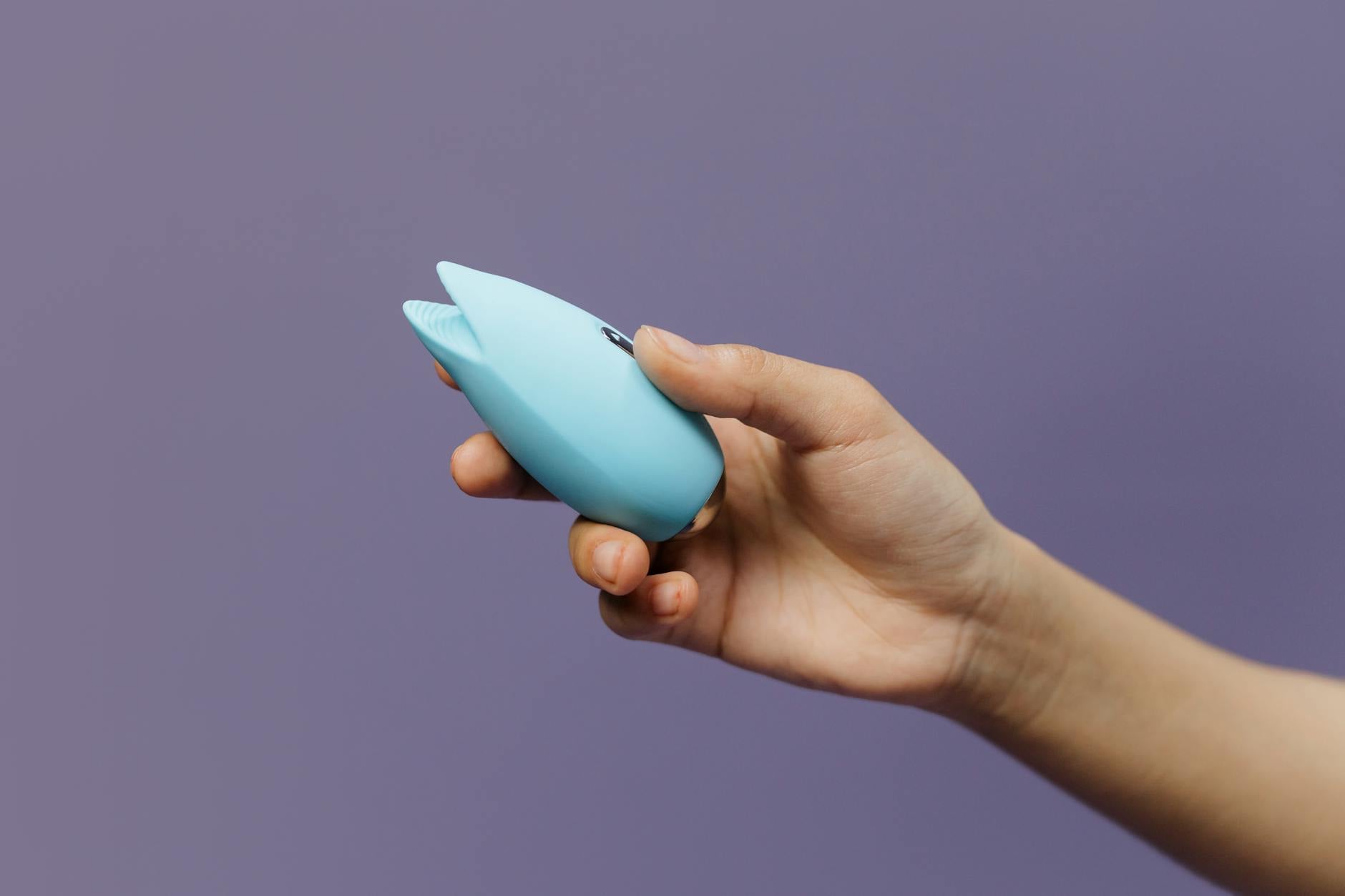
Lemon vibrators use air-suction technology. Instead of vibrating against the tissue, they create a gentle seal and pulse air around the clitoris. The stimulation happens through pressure changes rather than mechanical rubbing. This means:
- No friction against delicate tissue
- No risk of micro-tears from repetitive vibration
- Stimulation that reaches the internal clitoral structures without direct force
- Gentler, more diffused sensation that still builds intensity
Clinically, people over 60 report that lemon clitoral vibrators feel less irritating and more satisfying than traditional wand or bullet vibrators. The sensation is also different. Instead of a buzzing or rocking feeling, suction creates a rhythmic pressure that many describe as more natural and easier to orgasm from.
The practical differences you'll notice immediately
When you switch from a traditional vibrator to a lemon suction vibrator, the first thing you'll notice is that you can use it longer without discomfort. A standard vibrator on thin tissue might become uncomfortable after 10 or 15 minutes. Lemon vibrators can be used for 20, 30, or even 45 minutes because suction doesn't create the same friction fatigue.
The second thing is arousal speed. Because the sensation is different, your body learns to respond differently. Many women over 60 find that lemon vibrators actually make it easier to orgasm than traditional vibrators ever did, even when they were younger.
Third, you'll need less lubrication. Traditional vibrators require good lubrication to feel good on thin tissue. Lemon vibrators still benefit from lube, but they don't depend on it the way friction-based toys do. This matters because lubrication production continues to decline with age, and adding lube every few minutes gets tedious.
How to use a lemon vibrator safely if you're dealing with vaginal atrophy
Start low. The lemon vibrator has multiple intensity levels. Begin at level one or two, even if you think you want stronger stimulation. Let your tissue acclimate to the sensation. You can always increase intensity in your next session.
Always use water-based lubricant, even though suction vibrators need less of it. A thin layer protects tissue and enhances sensation. Reapply halfway through if it dries out.
Warm up first. Spend 10 to 15 minutes on foreplay, fantasies, or erotic content before using the vibrator. Arousal increases blood flow, which softens and lubricated tissue naturally. This makes everything feel better and safer.
Listen to your body. If you feel sharp pain (not pressure, not intensity, but actual pain), stop. That's different from the deep, satisfying pressure of a strong orgasm. Pain means the tissue is irritated, and you need to give it a break.
Consider topical estrogen. If vaginal atrophy is severe, prescription estrogen creams or vaginal tablets can restore tissue thickness over weeks. Many gynecologists trained in menopause care recommend these alongside devices like lemon vibrators for faster, more complete restoration of comfort and pleasure.
When to talk to your doctor
If you have ongoing pain, bleeding, or severe irritation, see a menopause-trained gynecologist. GSM is treatable, and you don't have to accept discomfort as the price of aging.
If you've never had a pelvic floor physical therapy assessment, it's worth doing. Pelvic floor tension becomes more common with age and can actually make tissue sensitivity worse and orgasms harder to reach. A pelvic floor PT can teach you how to relax the muscles properly, which pairs beautifully with using a lemon vibrator.
The emotional shift that matters most
Here's something I've noticed after decades of working with couples: women over 60 often carry deep shame about changing bodies. You've been told your whole life that female sexuality has an expiration date. Then your body does change, and you internalize it as personal failure instead of biology.
Using a lemon vibrator is not a workaround for a broken body. It's using the right tool for your current body. That distinction is huge. When you stop fighting against age and instead adapt your approach, pleasure doesn't just return. It often deepens because you're finally working with your body instead of against it.
Many women tell me that their most satisfying orgasms came after 60, once they gave themselves permission to explore what actually works now instead of clinging to what worked then.
People also ask
Can you use a lemon vibrator if you have severe vaginal atrophy?
Yes, but you might want to pair it with topical estrogen treatment first. Severe atrophy means very thin, fragile tissue. Even gentle suction vibrators could irritate tissue that's extremely compromised. A gynecologist can prescribe estrogen cream that restores thickness in 4 to 8 weeks. After that, lemon vibrators become much more comfortable. Some people use both simultaneously if they're patient and start very gently.
Does using a lemon vibrator help vaginal tissue regenerate?
Not directly. A lemon vibrator stimulates and creates pleasure, but it doesn't thicken tissue the way estrogen does. What it does do is encourage blood flow to the area during arousal, which supports tissue health over time. Combined with topical estrogen, the effect is stronger. The key is consistency. Using the vibrator regularly, with adequate lubrication and arousal, supports the body's natural healing processes.
Are lemon vibrators loud?
Suction vibrators are quieter than traditional vibrators because they don't vibrate the toy itself. Lemon vibrators operate at around 50 to 60 decibels, roughly the sound of a whisper or quiet conversation. Traditional vibrators often buzz at 70 to 80 decibels. If discretion matters, lemon vibrators are a significant improvement.
Do you need to use lubrication with a lemon vibrator if you're over 60?
You should use water-based lube. Even though lemon suction vibrators don't require as much lubrication as friction-based toys, a thin layer protects tissue and enhances sensation. Older tissue is more fragile, and lube reduces any risk of irritation. It also makes the seal between the vibrator and your body more effective, which means better stimulation.
How long does it take to reach orgasm with a lemon vibrator when you have vaginal atrophy?
It varies. Some people orgasm within 10 minutes once they find the right rhythm and intensity. Others take 20 to 30 minutes, especially on the first few tries while your body learns the sensation. This is completely normal and actually common. The key is not rushing. Let your arousal build, adjust intensity as needed, and give yourself permission to take whatever time feels good. Many women over 60 find that the journey matters more than the destination anyway.
What's the difference between a lemon vibrator and a wand vibrator for women over 60?
Wand vibrators apply broad, flat vibration across a larger area. They can be great, but on thin tissue they sometimes cause irritation from the repetitive friction. Lemon vibrators are smaller and use suction rather than friction. The stimulation is more concentrated, doesn't rely on back-and-forth rubbing, and feels gentler on delicate tissue. For over-60 bodies with vaginal atrophy, most people find lemon clitoral vibrators more comfortable. That said, individual preference varies. Some people do well with both.
The bottom line
Turning 60 doesn't close the door on pleasure. It opens a different one. Your body has changed, so the tools that work best have changed too. A lemon clitoral vibrator is specifically engineered for tissue that's been through decades of life. It bypasses friction, reduces irritation, and makes orgasms accessible again without pain or compromise.
Your pleasure matters just as much at 62 as it did at 32. You deserve tools that honor that. If you'd like to talk through your specific situation or have other questions, reach out at /contact. That's what we're here for.