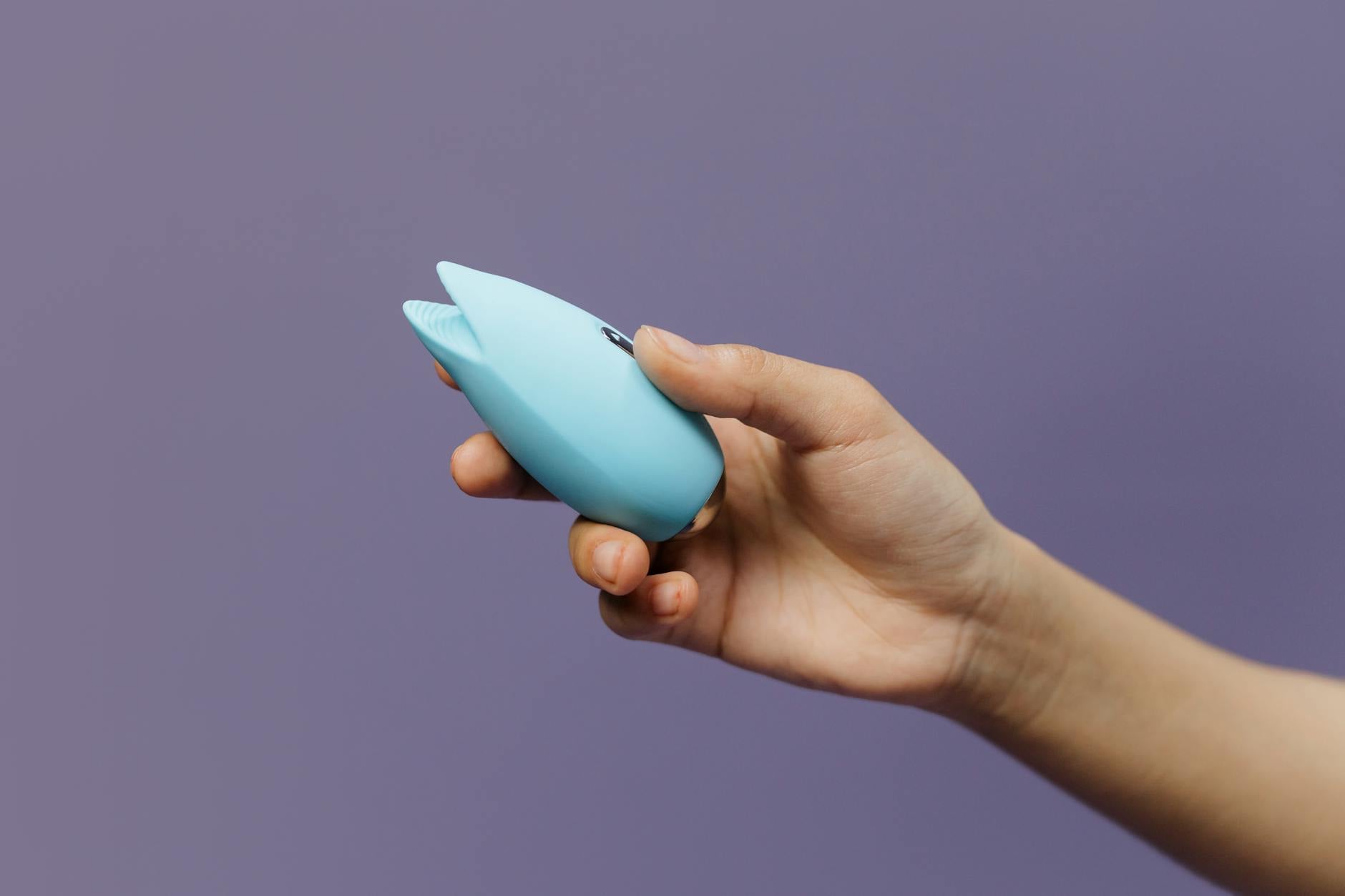
Here's what actually shifts when you hit 40
Your pleasure doesn't decline after 40. It transforms. And honestly? Most of the transformation works in your favor. The problem is that nobody talks about it plainly, so you're left wondering if something's wrong with you when really, something's just different.
Let me be direct. Your clitoral tissue changes. Your hormones shift. Your sensitivity patterns evolve. Your brain's relationship to arousal rewires itself. And for a lot of people, lemon vibrators and other clitoral toys start working better than they ever did before.
How your body changes (the useful version)
After 40, several physiological shifts happen. Estrogen begins a slow decline. This changes skin thickness and blood flow patterns. Your pelvic floor loses some of its automatic muscle tone, which sounds bad but often isn't.
Here's the counterintuitive part. Thinner clitoral tissue means the nerve endings are closer to the surface. That's why so many people report heightened sensitivity in their 40s and beyond. It's not weakness. It's exposure.
Tobacco and alcohol use, chronic stress, and poor sleep make these shifts feel more dramatic. They don't change the basic biology, but they can amplify the sensation of change. Worth knowing.
Your arousal timeline also lengthens. At 25, you might hit peak arousal in five minutes. At 45, you might need 15 or 20. This feels like a loss until you realize what it actually is: permission to slow down. Longer buildup means deeper sensation. That's not a downgrade.
Why lemon vibrators often work better now
The design of lemon suction vibrators matters more as your tissue changes. Traditional vibrators rely on frequency and direct pressure. Lemon clitoral vibrators use suction, which is gentler on delicate tissue but more stimulating to the actual nerve clusters that matter.
As your skin becomes more sensitive, suction-based toys often feel more precisely targeted than buzzing. The Lem vibrator, for instance, creates a sealing sensation that doesn't depend on thick tissue to feel intense. If anything, thinner tissue makes the sensation sharper.
Most people switching to lemon vibrators in their 40s report that they need lower intensity levels and that the pleasure feels more concentrated. That's not because the toy is better made. It's because your body is more responsive to this specific type of stimulation.
Hormonal shifts and what they mean for sensation
Progesterone and estrogen fluctuations (perimenopause can start in your 40s) change how your nervous system processes sensation. Estrogen supports vaginal and clitoral lubrication and tissue elasticity. When it drops, lubrication becomes less automatic, but that doesn't mean you can't get there. It just means you need more time or more direct help.
Lubricant becomes your friend. Water-based lube works best with silicone toys like lemon vibrators. It's not a sign of failure. It's a tool that makes the experience better.
There's also a cortisol factor worth mentioning. Stress suppresses arousal more aggressively as you age. If you're in your 40s and managing career stress, relationship negotiation, aging parents, or identity shifts, your nervous system might be primed for fight-or-flight instead of pleasure. This is real and it's not your body breaking. It's your nervous system doing its job. Addressing it means looking at sleep, movement, and stress management first, and then tools like lemon clitoral vibrators second.
The pleasure changes that are actually improvements
After 40, pleasure often gets more specific. You know what you like. You know how your body responds. You're less interested in performance and more interested in sensation. That's not a compromise. That's expertise.
Orgasms often become more intense after 40, not less. The buildup is slower, but the release is sharper. Part of this is neurological. Part of it is psychological. You've had 20 years to understand your own pleasure. You're less anxious. You're more demanding of what you need.
Many of my clients report that their orgasms shift from being clitoral-focused to more full-body after 40. That's because arousal patterns change. Your brain gets more involved. Sensation spreads differently. Some people experience what they describe as blended orgasms for the first time, even if they've been having sex for decades.
This is where a good lemon vibrator shines. Instead of chasing one specific type of sensation, you can layer sensations. Start with suction at a low setting, build slowly, and layer in pelvic floor awareness or partner touch. The flexibility of the toy matches the sophistication of your pleasure now.
The mental and emotional piece
Physiology matters, but it's not the whole story. After 40, something shifts mentally too. You care less about performing pleasure and more about experiencing it. You're less available for partners who don't understand that shift. You're more likely to speak up about what you need.
This is the real pleasure upgrade after 40. It's not physiological. It's psychological. You've earned the right to demand quality.
If you're partnered, that shift can feel threatening to your partner if they don't understand it. A conversation that separates "my body is changing" from "I want us to reconnect differently" prevents a lot of unnecessary conflict. They're two conversations. One is medical. One is relational.
If you're single, the shift toward clearer self-knowledge is wildly empowering. You know what you want. You don't apologize for it. Tools like lemon clitoral vibrators become an extension of that clarity, not a workaround.
What you should actually change about your routine
Three practical shifts that make the biggest difference.
First, extend your warmup time. Build in 15 to 25 minutes before you expect intensity. This gives your nervous system time to downregulate and your blood flow time to redirect. This alone transforms the experience for most people over 40.
Second, pay attention to lubricant. Water-based lube, applied generously, isn't a sign you're losing anything. It's you being smart about your changing anatomy. Temperature matters too. Some people find that warm lube (not hot, just body-temperature) feels better than cold.
Third, notice your intensity settings differently. If you're used to running a lemon vibrator at setting six, you might find that three or four feels more integrated now. Less isn't worse. It's often more sustainable and more pleasurable.
When to check in with a doctor
If you're experiencing pain during arousal or intercourse, that's worth a conversation with your doctor. Genitourinary syndrome is real and treatable. If lubrication is so reduced that it's affecting your quality of life, topical estrogen is an option. If desire has completely flatlined and nothing is bringing it back, that's worth exploring with a specialist who understands menopause or perimenopause.
But normal shift in sensation? Normal need for more time to arouse? Normal change in orgasm shape or intensity? That's not pathology. That's aging. And it's often better than what came before.
The long view
Your body after 40 isn't a diminished version of your body at 25. It's a different model with different features. Some of those features are more powerful. Some of them require different approaches. A good lemon clitoral vibrator isn't a patch for aging. It's a tool matched to your current body's actual needs.
The cultural narrative tells you that pleasure declines with age. The people I work with tell a different story. They tell me that after 40, pleasure got sharper, more specific, and harder to ignore. Your job is to listen to what your body is telling you, adjust your approach, and expect pleasure to be even better than it was before.
Want to dig deeper into how your body responds to different stimulation types? We're here to help you figure it out. Reach out at /contact.
People also ask
Why does stimulation feel different after 40?
Your clitoral tissue becomes thinner and more sensitive as estrogen shifts after 40. This brings nerve endings closer to the surface, which often means heightened sensation rather than reduced pleasure. Your arousal timeline also lengthens, which sounds like a loss but usually feels like permission to slow down and deepen sensation. Stress, sleep, and overall health matter more at this stage too.
Are lemon vibrators better for older bodies?
Not inherently, but the design of lemon suction vibrators matches how many bodies over 40 respond best to stimulation. Suction-based toys don't depend on thick tissue to register intensity. They work beautifully on the more sensitive tissue you often have after 40. Lower intensity settings often feel more pleasurable than they did at 25. It's a match, not a superiority thing.
Do orgasms change after 40?
Yes, and usually for the better. After 40, orgasms often become more intense even if they take longer to reach. Some people experience full-body sensation for the first time. Others notice that orgasms feel more concentrated. The psychological shift matters too. You're less anxious, more knowing, and less interested in performance. That usually translates directly to better sensation.
What if I've lost interest in sex after 40?
That's worth investigating, but it's often not a body problem. Stress, relationship dynamics, sleep, and untreated mood shifts can suppress arousal more aggressively as you age. Start with the basics: how's your sleep? How's your stress? How's your relationship? If those are solid and desire still hasn't returned, that's a conversation for a doctor or therapist. Hormonal shifts can reduce desire, and that's treatable.
How much lubricant do I actually need?
More than you probably think. After 40, generous application of water-based lube isn't overdoing it. It's matching reality. Some people find that warming the lube slightly (in your hands, not microwave) makes it feel better. Reapply as needed. Lube is a tool, not a failure.
Can I use a lemon clitoral vibrator if I have reduced sensation?
Yes, and it often helps. Suction-based lemon vibrators are good at reaching nerves that might feel less responsive to standard vibration. Start with the lowest setting and spend time exploring. Your body might be less responsive because of stress, medication, or hormonal shifts, not because of permanent damage. Often once you address the underlying factor and give yourself permission to slow down, sensation returns.
What Hello Nancy customers say about pleasure shifts
I hear from people constantly about how their relationship with pleasure changed in their 40s. Some say they never understood their own body until then. Others say that switching to a lemon vibrator made them realize how much pressure they'd been putting on themselves to perform at higher intensities. The consistent theme is that after 40, pleasure became less about matching some external standard and more about what actually feels good.
Your 40s and beyond aren't the end of your sexual life. They're the middle chapter, and for most people, the most interesting one. Your body knows what it needs. The tools you use should match that knowledge.