When desire goes quiet, it doesn't disappear
Let's be real. You used to want sex. Now you don't. Not because you're broken or aging out of pleasure, but because something shifted. Maybe it's stress. Maybe it's your relationship. Maybe it's literally everything at once.
Here's what I see clinically: reduced libido is one of the most common things couples don't talk about, which means people suffer in silence assuming they're uniquely defective. They're not. And more importantly, low desire doesn't mean you can't access pleasure. Those are two completely separate systems in your brain.
The difference between desire and response
Desire is the wanting. Response is what happens when you start. They're not the same thing, and that matters for how you approach this.
Desire (the hormone-driven, spontaneous "I want you right now" feeling) does drop when you're stressed, anxious, in a disconnected relationship, or running on fumes. It also drops with certain medications, after big life transitions, and sometimes after years in the same relationship without intentional novelty or emotional reconnection.
Response, though, is different. Your body's capacity to become aroused, have sensation, and reach orgasm stays pretty much intact even when desire has flatlined. The nerve endings don't go anywhere. The neural pathways for pleasure are still there. They're just quiet.
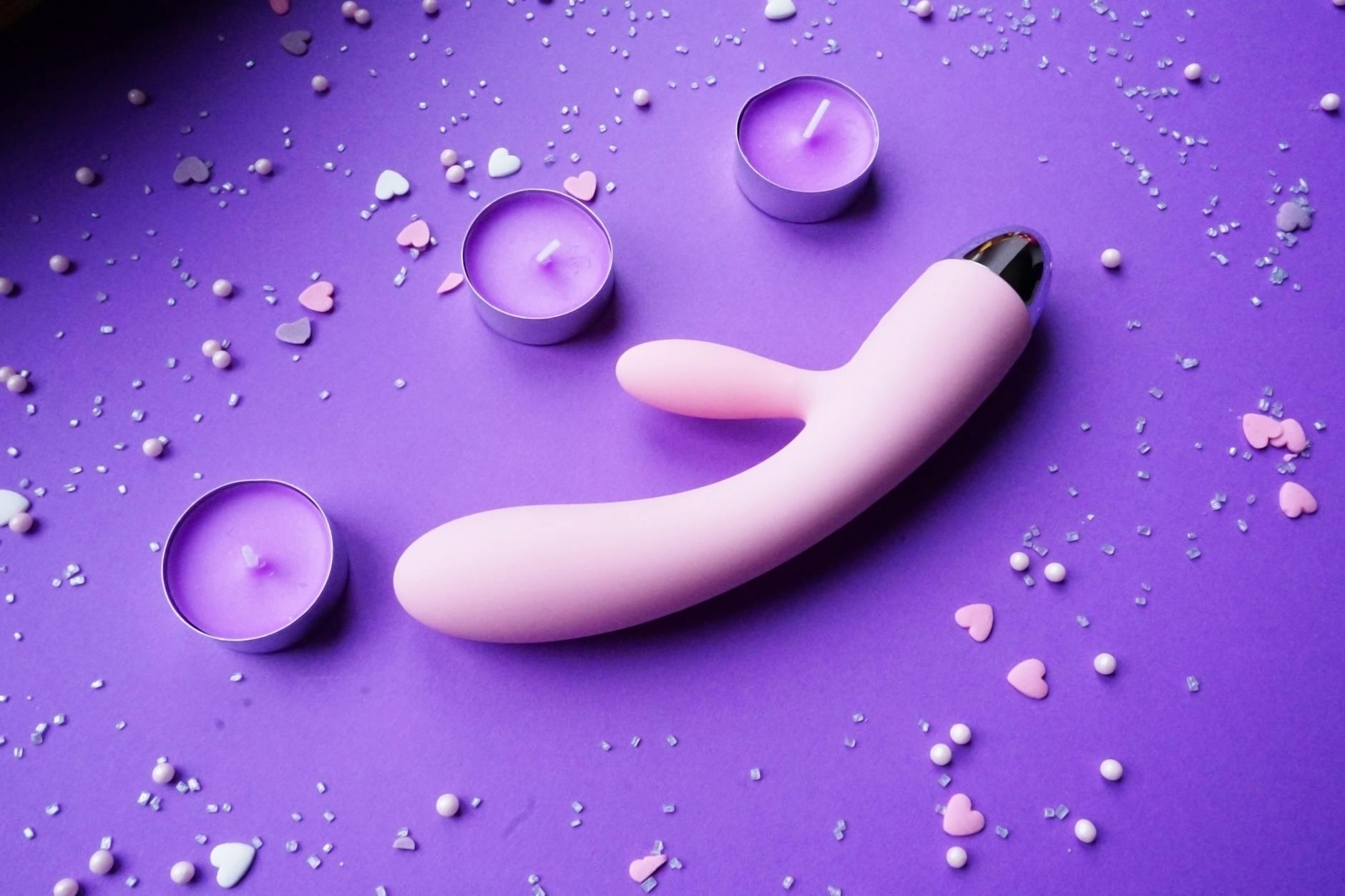
This is why a lemon clitoral vibrator can feel so useful when desire is low. It's not about forcing yourself into something you don't want. It's about the tool doing the work of building sensation from zero, so your body can catch up to an experience your brain isn't initiating on its own.
Why low libido doesn't respond to willpower
Honestly though, the worst thing you can do when desire is low is try to think yourself into wanting sex. That fight is exhausting and usually loses.
Low libido almost always has a story. When I work with couples, the story is rarely "I don't like sex." It's usually "I'm overwhelmed," "I don't feel heard," "We haven't had a real conversation in months," "I'm touched out," or "I'm just tired." Some of those are fixable through conversation and connection. Some are medical and need a doctor's attention. Most have a bit of both.
But here's what I also know: starting with the body sometimes shifts what happens in the mind. Not always. But often enough that it's worth trying.
How lemon vibrators fit into the puzzle
A lemon sucker like the Lem works differently than a traditional vibrator. Instead of buzzing, it uses pulsing suction that stimulates the clitoral network without requiring your brain to do the heavy lifting of arousal.
Why this matters when desire is low: you don't have to want it for your body to respond. You just start. The sensation builds. Your nervous system shifts out of whatever stress state it was in, and suddenly there's space for something else.
Many of my clients describe it as permission. Not permission from a partner, but permission from their body to feel something physical when their mind isn't driving the car. That's a different experience than forcing yourself through a sexual encounter because you feel obligated.
The clitoral vibrators approach also works because there's no pressure on performance or a particular kind of finish. A lemon clitoral vibrator isn't going anywhere. It's not waiting for you to catch up. You can use it at whatever pace, intensity, and duration actually feel good, which removes a layer of friction that keeps low-desire folks locked out.
Starting small when desire is truly gone
If you're in the deep end of low libido, the idea of using any device might feel like too much. Fair. Here's how I usually recommend easing back in.
Start with no expectations about orgasm or arousal. Use your lemon vibrator the way you'd use a massage tool for your shoulder. Spend five minutes on a low setting. Notice what you notice. That's it. This is about remapping the experience from "another thing I'm failing at" to "a sensation I'm choosing."
Then, over a week or two, maybe you go longer. Maybe you try a higher setting. Maybe you notice that some settings feel good and others don't. None of this means you're failing. This is data, not judgment.
If you have a partner, the conversation around this doesn't have to be "I'm using this to perform for you." It's "I'm using this for me, to explore what actually feels good right now." That's a much cleaner conversation.
When low libido is a relationship signal
Here's the part nobody wants to hear: sometimes reduced desire is your body telling you something about your relationship that words haven't yet.
I've worked with people whose libido returned almost immediately once they addressed emotional distance with their partner. I've also worked with people who used that clarity to decide the relationship wasn't working. Both are valid.
If you're in a committed relationship and desire has tanked, the device alone won't fix it. But it can create space for you to remember what your body actually wants independent of what you think you're supposed to want. That clarity is valuable.
And if you're solo, lemon vibrators can be a way back to simple pleasure without the pressure of someone else's timeline or expectations. That matters too.
Physical causes that actually respond to treatment
Low libido sometimes has a straightforward physical explanation. Thyroid dysfunction, vitamin D deficiency, medication side effects, anemia. None of those are sexy problems, but they're real, and they're usually fixable.
If your desire dropped suddenly or significantly, especially alongside other symptoms like fatigue or mood changes, check in with a doctor. That's not me being cautious. That's me being efficient. Why spend three months trying sexual devices if the real answer is a blood test and a supplement?
The same goes for depression and anxiety, which are absolutely medical and absolutely affect desire. Therapy, sometimes medication, sometimes both. That foundation matters before (or alongside) exploring tools like a lemon clitoral vibrator.
Making space for gradual reconnection
One thing I see consistently with couples rebuilding desire is that it doesn't happen through performance. It happens through small, repeated choices to reconnect.
Maybe that's using a lemon vibrator together while you're next to your partner, not for performance but for exploration. Maybe it's having sex that's explicitly about sensation, not finishing. Maybe it's going back to conversations that don't revolve around logistics.
Desire, genuinely, builds from attention. When you're paying attention to your body, your partner, your own pleasure, desire tends to follow. It's not the fastest path, but it's the one that actually leads somewhere.
What happens after you restart
Once desire starts to come back (and it often does, with attention and sometimes with the help of a tool), the experience of sex usually feels different. You remember why you liked it. You remember your own capacity for pleasure, which matters more than you'd think when you've been flatlined for months.
That's not a small thing. That's the ground you're building from.
Frequently asked questions
Can a lemon vibrator actually help with low libido?
Not directly. A lemon clitoral vibrator won't raise your hormone levels or fix an underlying cause of low desire. But it can help restart your relationship with physical pleasure independent of wanting it, which sometimes shifts the whole dynamic. It's a tool for re-entry, not a cure.
How long does it take for libido to come back?
It depends entirely on what caused it to disappear. If it's stress that resolves, it can come back in weeks. If it's a medication side effect, switching medications might shift things fast. If it's relationship disconnection, that's usually slower work. If it's hormonal, it depends on the cause and treatment. There's no standard timeline.
Should I tell my partner I'm using a lemon vibrator if my desire is low?
That depends on what feels right for your relationship. Some couples find it's a useful part of reconnecting, either together or parallel to each other. Some people benefit from the privacy of exploring alone first. There's no wrong answer, but honesty (if you usually have it) usually feels better than secrecy.
Is low libido a sign the relationship is ending?
Not necessarily. It's a signal that something needs attention. Sometimes that's the relationship. Sometimes it's stress, health, or just the natural ebb and flow of desire over time. The signal matters. What you do with it is up to you and your partner.
Can using a lemon clitoral vibrator with low libido feel like forcing it?
It can, if you approach it as something you're supposed to want. That's why I recommend starting without pressure or expectation. You're exploring sensation, not auditioning for sex. Big difference.
What if I use a lemon vibrator and still don't feel desire?
Then you have useful information. Maybe the issue is deeper (relationship, health, medication). Maybe you need to explore different approaches. Maybe you need professional support. Using the tool doesn't solve everything, but it does give you clearer data about what's actually going on.
The real work is noticing
Low libido isn't a permanent condition, even when it feels like it. It's a signal. Your body telling you something needs attention. A lemon vibrator, or any clitoral vibrator, can be part of listening to that signal instead of drowning it out.
But the real work is noticing what desire actually needs to come back. Connection. Attention. Sometimes medical help. Sometimes a difficult conversation. Sometimes both.
Start there. The rest usually follows.
If you're unsure where to begin, consider reaching out to a therapist or your doctor. That clarity matters more than trying to fix this alone.