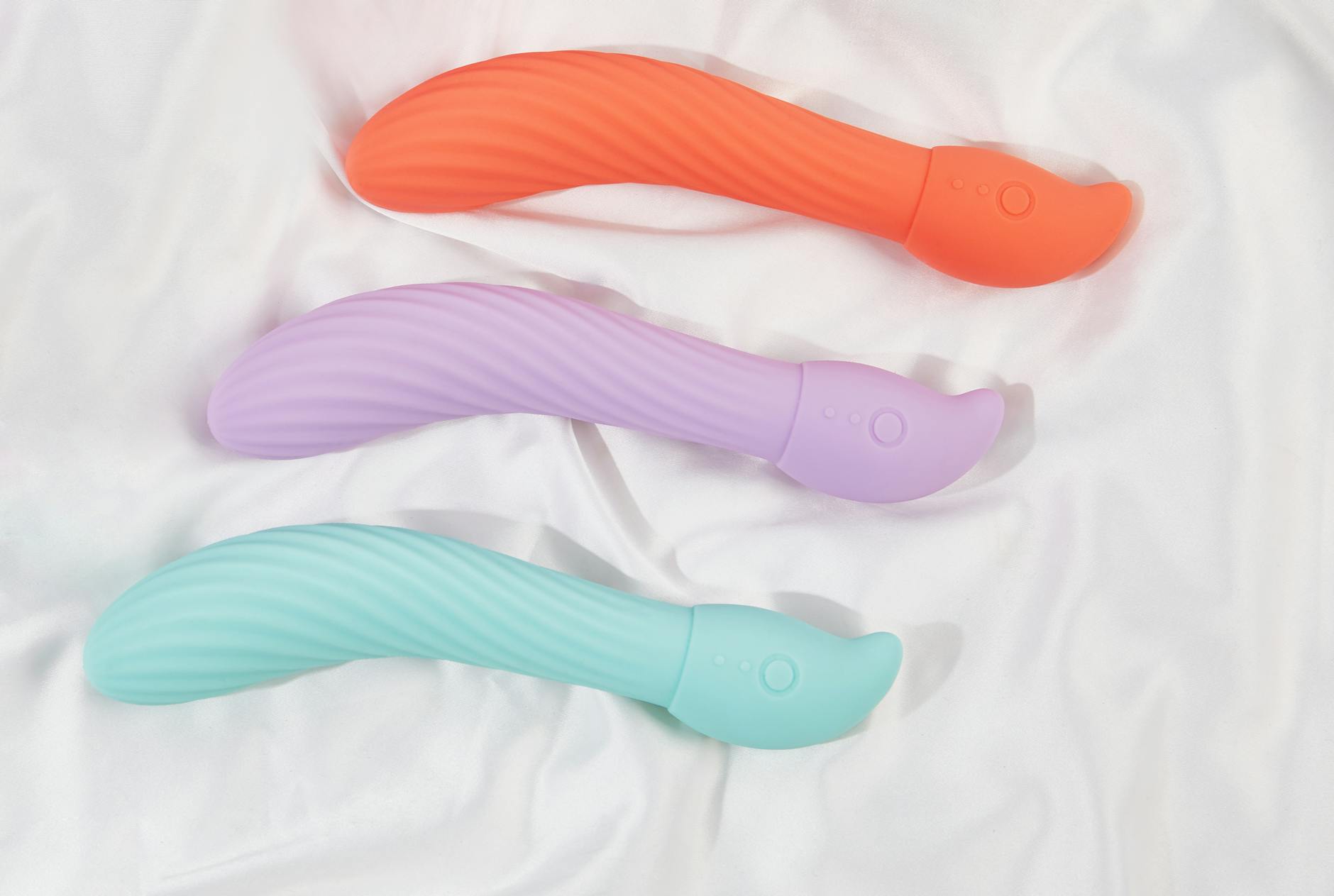
Let's name the real tension first
Your partner isn't skeptical about vibrators because they're prudish or insecure. Usually it's something simpler: they think sex toys mean their touch isn't enough, or they've absorbed some old cultural messaging that vibrators are a last resort for lonely people. Sometimes they just haven't been around them and they feel foreign. None of those narratives are true, but they're real and they're worth addressing directly instead of dancing around.
I work with couples where one partner wants to explore clitoral vibrators like the Lem and the other is resistant. The couples who succeed aren't the ones who sneak toys in or guilt their partner into acceptance. They're the ones who reframe the conversation entirely. Here's how.
The problem with how most people introduce this
Most people lead with apology. "I know you might think this is weird, but..." or "I don't want you to feel bad, but I want to try..." This backfires every single time because you've just announced that the thing you're about to ask for is shameful or threatening. You've handed your partner an anxiety box before they even know what's inside.
The other failed approach is the solo route. Bringing a toy into partnered sex without context feels like a surprise ambush to someone who's already skeptical. They feel replaced, excluded, or like you went behind their back to solve a problem you never told them existed.
What actually works is a separate conversation. Not during sex. Not when clothes are off. A real talk, sitting down, where you explain why this matters and listen to what's underneath their hesitation.
How to start the conversation (the actual words)
Lately, I've noticed something about my body and what feels good. I want to explore it more, and I think using a toy might help me understand my own pleasure better. I'd like your thoughts on that.
Notice what's happening here: You're centering your own curiosity, not his inadequacy. You're inviting partnership, not announcing a decision. You're not saying "I want to use a vibrator," which feels like a demand. You're saying "I want to explore something about myself, and I want you in the conversation."
His first response might be defensiveness, confusion, or just "Why?" Let him ask. Then answer honestly. Maybe you want stronger orgasms. Maybe your body has changed after medication or aging and you want to adapt. Maybe partnered sex feels good but solo exploration excites you. All of these are valid. Shame kills this conversation faster than anything else, so don't bring it in.
What he's probably actually worried about
Underneath "I don't know about toys" usually lives one of three concerns. Address the one that fits.
"Will you stop wanting me?" This is about replacement anxiety. He thinks the toy is a substitute for him. Be specific: This isn't about what you're not doing. It's about exploring a different kind of sensation that fingers and penetration don't create. A clitoral vibrator like the Lem uses suction rather than vibration alone, which feels totally different from what we already do together. Then name what you still want from him. I still want your hands on me. I still want to feel you inside me. This is addition, not subtraction.
"Are you saying sex isn't good enough?" This is about performance pressure. He thinks you're critiquing him. Defuse: I love having sex with you. I also want to understand my own body more. Those aren't opposite things. Lots of couples find that when one person gets really clear on what they want, sex together gets better because there's less guessing. Then ask him to think of something he'd like to explore. Make it reciprocal. Not "Here's a toy," but "What would you want to try if anything was on the table?"
"This feels like territory I'm not comfortable with." This is the honest one. He might need time or education or just exposure. Don't push. Instead: What would help you feel okay about this? Do you want to learn more about how these actually work? Would it help to see it together? Or do you just need some time to sit with the idea? Honor the timeline. Forcing acceptance creates resentment. Patience creates openness.
The education phase (if he wants it)
Some partners feel better when they understand the mechanics. Here's what helps: Show him that clitoral vibrators are a tool, not a threat. If he's heard only myths, correct them.
Most vibrators just vibrate intensely until your whole clit goes numb. The Lem uses gentle suction and patterns, so it feels more like a building sensation than an overwhelming buzz. It doesn't replace anything. It just accesses a different type of pleasure. That's it. That's the whole thing.
If he wants to hold it with you during sex, you can do that. If he wants to watch, fine. If he wants nothing to do with the mechanics and just wants to see you enjoy it, that's also fine. Different couples integrate toys differently. There's no single right way.
The first time you actually use it together
Don't make it a formal event. Don't schedule it like a dentist appointment. The best introduction happens naturally when you're already intimate and it feels organic to say, "I'd like to try that thing I mentioned." Not a question, not a request. A statement that assumes partnership.
Start with the lowest setting. Show him how it feels, maybe put his hand near yours so he can feel the sensation too. Some partners find that sharing the experience, rather than him watching from the sidelines, softens the whole dynamic. He's not the audience anymore. He's part of it.
After, don't over-explain or seek reassurance. Just let the experience exist. "That felt good" is enough. You don't need a debriefing. You don't need to tell him it was better than sex with him. Keep it simple.
What to do if he stays resistant
Sometimes people need more time than you have. Sometimes they need therapy to work through deeper stuff about control or masculinity or anxiety. That's real, and it matters. You can't argue someone into being comfortable with something that touches their insecurities.
But you also get to have boundaries. If your pleasure matters to you, then exploring it matters to you. That doesn't have to be combative. It can sound like: I hear that this feels uncomfortable for you. I respect that. I also need to explore what feels good in my body. Can we figure out a way that works for both of us? Sometimes that's you using a toy alone, then coming back to him. Sometimes it's him getting curious over time. Sometimes it's professional help to untangle what's underneath the resistance.
The thing nobody says out loud
Introducing lemon vibrators or any sex toy into a relationship where there's skepticism isn't really about the toy. It's about whether both partners believe the other person's pleasure matters enough to be worth the awkwardness. If you do, you figure it out. If you don't, no conversation blueprint will help.
Your partner's hesitation might soften once he realizes you're not asking him to perform differently or better. You're asking him to be curious about your body alongside you. That's actually intimate. That's actually connection. Frame it that way, and the toy becomes secondary. The real thing you're introducing is openness.