Here's the disconnect nobody talks about
Your body is ready. Your heart isn't. Or the opposite: you're emotionally present and your physical response is somewhere else entirely, maybe not showing up at all. This split between arousal and emotion is one of the most common (and most isolating) things people experience. It's not a malfunction. It's a signal that something needs attention.
The reason lemon vibrators and other clitoral vibrators help here isn't because they magically fix your feelings. It's because they create a direct line to physical sensation without requiring emotional readiness as a prerequisite. That matters more than it sounds.
Why arousal and emotion go separate ways
Your brain has competing systems. The limbic system handles emotion. The reward and autonomic nervous systems handle physical arousal. These three can fire independently or together, and when they're out of sync, everything feels off.
Stress, relationship distance, grief, past experiences, medication, hormonal shifts, burnout. All of these create a gap between "I know I want this" and "my body is responding." Or you get physical arousal with zero emotional connection, which feels hollow and confusing.
The gap isn't a reflection of how much you care or how attracted you are. It's physiology hitting a wall.
The role of focused sensation work
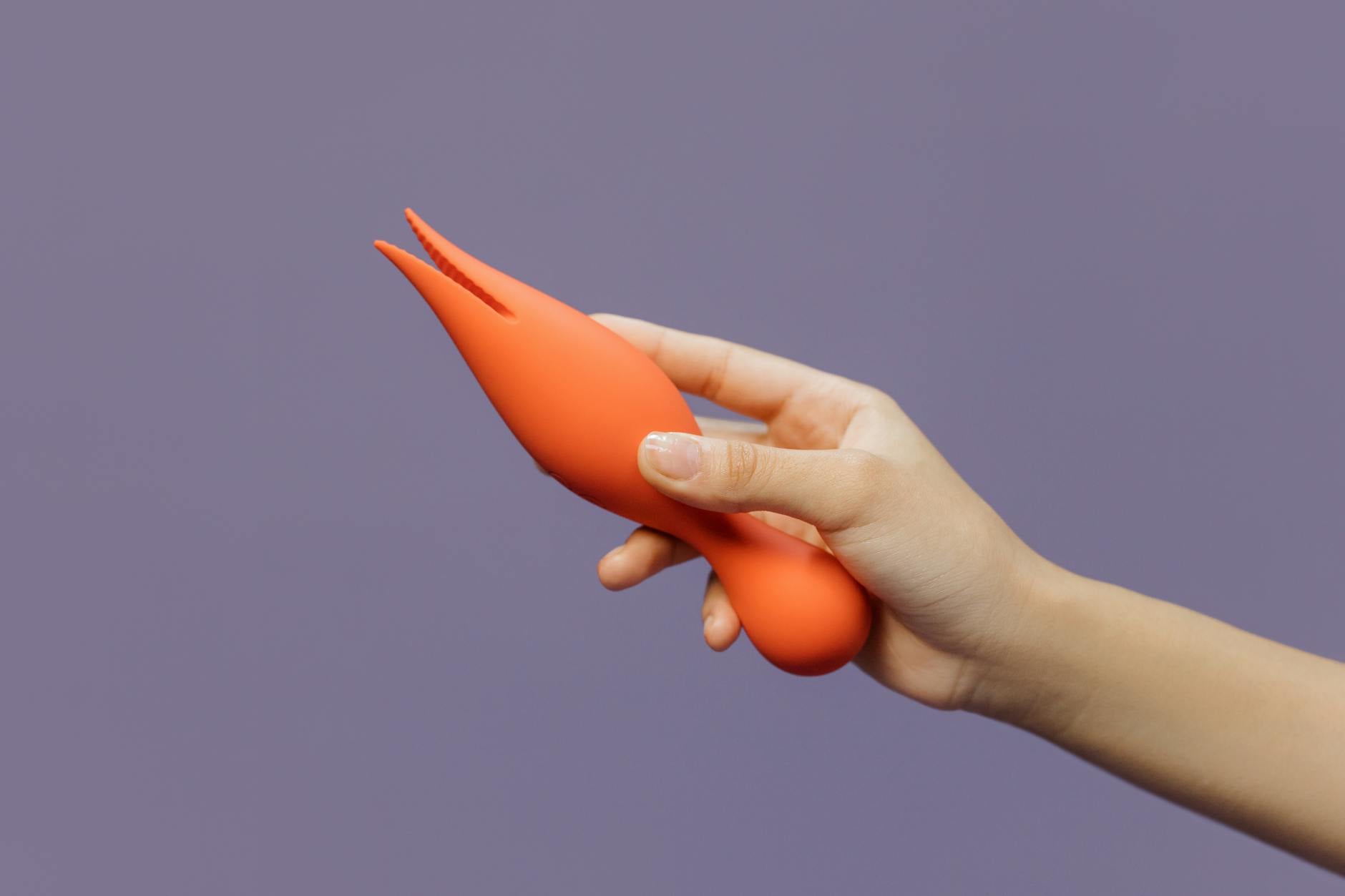
Here's where lemon vibrators enter the picture. Air-suction technology like the Lem works differently than traditional vibration. It pulls rather than shakes, which activates a different set of nerve endings. This specificity matters because it gives your nervous system something precise to track.
When you're using a lemon clitoral vibrator with intention (not as a bypass, but as a tool), you're essentially doing microdosing of sensation. You're creating a situation where your body can respond without your mind needing to produce the full emotional narrative first.
Start low. Pattern 1 or 2. Spend five to ten minutes just feeling what's there without the pressure to build toward anything. Your nervous system needs permission to wake up separately from your heart.
Separate the pleasure from the performance
Much of the disconnect happens because we've been taught that arousal and emotion should arrive as a package deal. When they don't, we assume something's wrong with us. Instead, what's actually happening is that you're trying to manufacture an entire emotional experience while your body is trying to do something much simpler: feel good.
Let them be separate. Use your lemon vibrator for sensation. Use a different time or space for emotional connection with your partner. This isn't compartmentalization in a bad way. It's honest architecture.
If you're partnered, tell them: "I want to use this to reconnect with my body right now, separate from us." That distinction removes the pressure that's probably keeping the disconnect in place.
Building a micro-ritual around sensation
Ritual isn't spiritual. It's just intentionality with structure. Here's what I recommend:
Set a specific time. Twenty minutes, same day each week, no negotiation. Your nervous system learns rhythm.
Remove the outcome goal. You're not trying to orgasm. You're not trying to get aroused. You're trying to notice. What sensations show up? Where do you feel numbness? Where do you feel heat?
Use your lemon vibrator as the container. Start with it off. Hold it. Let your brain register: this is a tool for my pleasure. Then turn it on at the lowest setting and spend two minutes there before moving up.
Notice without judgment. If emotion shows up, let it. If it doesn't, that's also fine. Your job is observation only.
After three to four weeks of this, most people notice the gap starting to close. Not because anything magical happened, but because you've given your nervous system permission to wake up on its own timeline.
When disconnection points to something deeper
Sometimes the gap between arousal and emotion is telling you something important. It might mean you need to process something with your partner. It might mean you're in a phase where solo pleasure is what your body actually wants, separate from partnered sex entirely. It might mean medication is interfering, or hormones are shifting, or you need to see a therapist.
Lemon vibrators and other clitoral vibrators are brilliant tools, but they're not a substitute for listening to what the disconnect is trying to tell you. If you've been using sensation work for six weeks and nothing shifts, that's information. Schedule time with a therapist who understands sexual health. Ask your doctor about medication side effects. Have a conversation with your partner about what you actually need.
The vibrator is the vehicle. Your attention is the fuel.
Creating emotional safety around solo pleasure
If you're in a relationship, using a lemon vibrator solo might trigger guilt or anxiety about whether you "should" want your partner instead. You shouldn't. Your body and your partner's body are not mutually exclusive. Solo pleasure with a clitoral vibrator is research into your own nervous system. That research makes partnered sex better, not worse.
But that's hard to believe if you haven't heard it clearly before. So hear it: using a lemon sucker or any other sexual toy alone is not a referendum on your relationship. It's maintenance. It's exploration. It's honesty with yourself about what your body needs.
If your partner struggles with this, that's a separate conversation. How to Use Lemon Vibrators When Your Partner Wants to Watch might help frame it differently.
Reintegrating sensation with emotional connection
Once you've done the solo work, the path back to partnered intimacy becomes clearer. You know what your body needs because you've spent time alone with it. You've built a relationship with sensation that isn't dependent on someone else.
When you come back to your partner, bring that knowledge with you. "I've noticed that I need more direct sensation here." "I need us to slow down more at the beginning." "I need to orgasm first, and then we can do other things." These are things you can only discover alone.
Many couples find that when one partner starts doing intentional solo work with a lemon vibrator or similar tool, the emotional and physical disconnect in the relationship starts healing without anyone doing anything explicitly different together. It's because one person stopped trying to perform a feeling they didn't have yet.
The permission you actually need
Honestly, the biggest barrier to bridging the disconnect between arousal and emotion is permission. Permission to feel disconnected without shame. Permission to use tools that help you feel your body again. Permission to take that time without guilt.
Your lemon clitoral vibrator can help you reclaim sensation. But the real work is giving yourself permission to do it. That costs nothing, and it changes everything.
Frequently Asked Questions
Can using a lemon vibrator alone make it harder to orgasm with a partner?
No. In fact, the opposite is usually true. When you understand how your body responds through solo work, you can communicate that to your partner. The disconnect between arousal and emotion is often about not knowing your own body well enough to guide someone else through it. Knowing your body makes partnered sex clearer.
What if my partner feels threatened by me using a lemon sucker alone?
That's a separate issue from the vibrator itself. Your solo pleasure isn't about them. If they're struggling, that usually points to something else: insecurity, different beliefs about sexuality, feeling excluded from your pleasure. Consider having a conversation (not during sex) about what they're actually worried about. Often it's not the tool, it's fear of being left out or not being enough.
How long does it take for the disconnect to close?
It varies. Some people notice shifts in three to four weeks of consistent, intentional use. Others need two months. A few need longer because the disconnect points to something that needs therapeutic work. There's no standard timeline. What matters is consistency and honesty about what you're noticing.
Can I use a lemon vibrator if I'm on medication that affects arousal?
Yes. In fact, it might help you navigate what arousal actually feels like on your current medication. That data is valuable for conversations with your doctor. If the medication is actually the barrier, your doctor might adjust dosing or suggest alternatives. But start with the vibrator to understand what you're working with.
Is it normal to feel nothing during pleasure when my mind is elsewhere?
Completely. This is actually the nervous system working as designed. When you're in a stressed, anxious, or emotionally distant state, your parasympathetic nervous system (the pleasure system) goes offline. It's protective. Using a lemon clitoral vibrator gently, without pressure, can help bring that system back online. It's not about forcing pleasure. It's about creating conditions where pleasure can happen.
Should I tell my partner I'm using lemon vibrators for this?
That depends on your relationship and what feels honest. Some couples benefit from transparency. Some people need solo space without explanation. There's no universal rule. But if the disconnect is affecting partnered sex, eventually talking about what you're learning is worth it. You don't have to lead with the tool. You can lead with the insight: "I've noticed I need X, and I'm working on understanding that better."
The path forward
Disconnection between arousal and emotion isn't a flaw in you. It's information. Lemon vibrators and other clitoral vibrators are tools for gathering that information without shame or performance pressure. They help you separate sensation from the emotional narrative long enough to hear what your body actually wants.
From there, everything else becomes possible.
Have questions about how to approach this with your specific situation? Reach out to us anytime.