Let's start with what tight pelvic floor muscles actually mean
Your pelvic floor is a group of muscles that support your bladder, uterus, and bowel. When they're tight, it's often because of stress, trauma, or a habit your body learned to protect itself. Many people don't realize they're doing it until they try to use a toy and feel pain, discomfort, or a sensation of resistance that kills the whole experience.
The thing is, your pelvic floor is supposed to move. Relaxation is just as important as engagement. When muscles stay clenched, toys like lemon vibrators can feel invasive rather than pleasurable. But that doesn't mean you can't use them. It means you need a different strategy.
Why lemon vibrators are actually ideal for pelvic floor tension
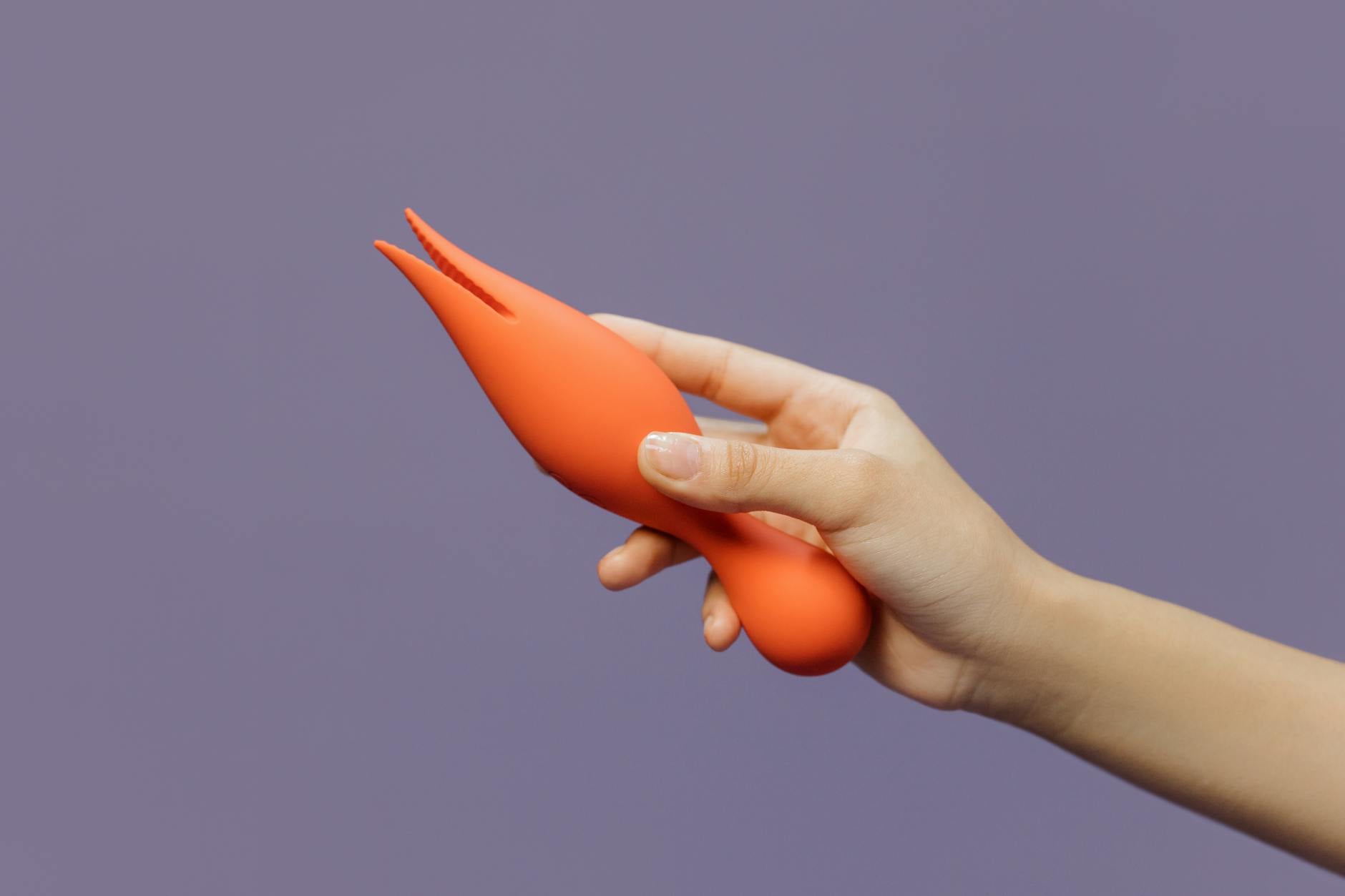
Unlike vibrators that demand deep internal penetration, lemon clitoral vibrators use gentle suction and external stimulation. That's a huge advantage when your muscles are tight because you're not fighting against internal resistance. The lemon's design focuses on the clitoris and the external vulva, which bypasses the tension entirely.
Suction also works differently than vibration. It creates a gentle draw that many people with pelvic floor tightness find less triggering than direct pressure. Your nervous system doesn't interpret it as invasion. That shifts everything about how your body responds.
How to prep your body before using any lemon toy
Prep is half the battle here. Without it, even the gentlest tool will feel uncomfortable.
Start with breath work about 10 minutes before you want to use your vibrator. Breathe in for four counts, hold for four, exhale for six. This signals your nervous system that it's safe to relax. Your pelvic floor will literally loosen in response. I'm not being metaphorical. Your breath directly controls that muscle group.
Next, warm your body. A hot shower, a heat pad on your lower belly, or even warm hands resting on your pelvis for a few minutes will help muscles release. Cold, tense muscles don't cooperate. Heat invites relaxation.
Then do a gentle internal check. Insert one finger (slowly, with lubricant) just inside your opening and consciously try to relax those muscles. This sounds simple but it's profound. Many people with pelvic floor tension have never actually tried to relax on purpose. They've only known tension. So teach your body what relaxation feels like before you bring the vibrator in.
Using a lemon vibrator externally when muscles are tight
This is where most people should start.
Apply plenty of water-based lubricant to your vulva and to the lemon itself. Lubrication reduces friction and allows the toy to glide smoothly, which your nervous system prefers when it's already on alert. Position the lemon against your clitoris at the lowest intensity setting. Don't push it in. Just hold it there gently, letting the suction and vibration do the work.
If you feel your muscles clenching in response, pause. Breathe. Notice where the tension is. Don't fight it or try to force relaxation. Just breathe into it. This usually takes 2 to 5 minutes. Your nervous system needs time to realize this is safe.
Once you feel even a small softening, you can increase intensity slightly or begin slow, gentle movements. The key word is slow. If you're used to moving quickly, your muscles will interpret that as threat and clench harder. Slow movement says safety to your nervous system.
Many people with pelvic floor tightness have the best orgasms when they stay external for the entire session. That's completely valid. Pleasure doesn't require penetration.
When you're ready to explore internal use
This isn't essential, but some people want to eventually integrate internal pleasure alongside external.
Wait until you've had several successful external sessions. Your body needs to build evidence that pleasure is possible without pain. Then, on a day when you're already relaxed (post-massage, post-yoga, or just after a good night's sleep), try this.
Use a finger first. Apply lubricant generously and insert your finger very slowly into your vagina. Once it's in, stop moving it. Just let it sit there while you use the lemon vibrator externally on your clitoris. Your pelvic floor may clench as soon as the finger enters. That's normal. Breathe. Keep the vibrator going. The external pleasure will eventually signal your muscles that it's safe.
After a few minutes of this, try very subtle movements with your finger. Don't thrust. Just tiny circles or gentle pressure. Let the lemon vibrator do most of the work. The finger is just teaching your body that fullness doesn't equal threat.
Once this feels comfortable (and this can take multiple sessions), you can try very gentle internal vibration with the lemon if you want. But honestly? Many people prefer keeping the lemon external and using fingers internally, if they want internal stimulation at all. There's no wrong answer here.
The nervous system piece nobody talks about
Tight pelvic floor muscles aren't usually a physical problem. They're a nervous system problem. Your body learned to clench because at some point, relaxation felt dangerous. That could be trauma. It could be chronic stress. It could be years of performing pleasure instead of feeling it.
Toys don't fix nervous system patterns. But they can help you practice a new one. Every time you use your lemon vibrator and your body stays relaxed or learns to relax, you're rewiring that pattern. You're teaching your nervous system that pleasure is safe. That this kind of vulnerability is okay.
This happens slowly. Be patient with yourself. Some sessions will feel great. Some will feel like you're back to square one. That's normal.
What sensations mean and what to actually worry about
Let's be clear: tension and tightness feel uncomfortable. They feel like mild resistance or heaviness or an inability to relax. That's annoying but it's not dangerous.
Pain is different. Shooting pain, burning pain, or sharp stabbing sensations are signals that something's wrong. If you feel actual pain (not just discomfort from tight muscles), stop and see a pelvic floor physical therapist. This isn't about toughing it out. It's about getting proper assessment.
Also watch for sensation changes. If you suddenly can't feel anything where you used to feel pleasure, that might signal vaginismus or a deeper nervous system response. Again, worth talking to a specialist about.
But general tightness, heaviness, and difficulty relaxing? That's the stuff lemon vibrators and patience can actually help.
The role of a partner (if you have one)
If you're in a relationship, your partner's role is to hold space, not fix it. Tight pelvic floor muscles aren't your fault and they're not something a partner can massage away, no matter how much they want to help.
What helps is when a partner understands that this isn't about them or the relationship. It's about your nervous system's relationship with safety and pleasure. If you want them present during intimate time, communication is everything. Tell them: I need you to move slowly. I need you to check in with me. I need you to let me lead the pace.
Some people find it easier to work through pelvic floor tightness alone first, using a lemon vibrator solo. That's also completely valid.
Practical tips for consistency
Use your lemon vibrator 3 to 5 times a week if pelvic floor relaxation is your goal. Consistency teaches your nervous system faster than sporadic use.
Keep a small journal of how each session felt. Not for anyone else. Just for you. This helps you notice patterns. Maybe you relax better in the evening. Maybe you need more breath work on Mondays. Data helps.
If you find yourself getting frustrated, stop. Frustration tenses the very muscles you're trying to relax. Pleasure should feel good, not like a project. If it starts feeling like a chore, take a break.
Always use water-based lubricant. Always charge your lemon vibrator beforehand so you don't lose momentum mid-session. Small logistics matter when you're rewiring nervous system patterns.
When to bring in a professional
If you've been working on pelvic floor tension for 2 to 3 months with a lemon vibrator and things aren't improving, see a pelvic floor physical therapist. They can do internal assessment and manual therapy that toys can't replace.
Also see one if you have pain (not just discomfort), if you experience pain during penetrative sex with a partner, or if you think trauma might be the root cause. Therapy for the nervous system and bodywork together work better than either alone.
The combination of external tools like lemon vibrators plus professional support is often what actually creates lasting change.
FAQ: Common questions about pelvic floor tightness and toy use
Can using a lemon vibrator make pelvic floor tension worse?
Not if you're doing it right. But yes, if you force intensity too quickly or ignore signals that your body is clenching, repeated tension can become a pattern your muscles remember. That's why starting low and slow matters. Your nervous system has to learn that this is safe.
How long does it take for tight pelvic floor muscles to relax?
It depends on the root cause and how long the tension has been there. Some people notice significant softening within 2 to 3 weeks. Others take months. There's no universal timeline. Your body's pace is the right pace.
Is it normal for the lemon vibrator to feel uncomfortable at first?
Comfort with tightness is a spectrum. Slight discomfort during initial relaxation is normal. Sharp pain or intense discomfort is not. If it feels genuinely bad, stop and try again another day. Your body's feedback matters.
Should I use the lemon vibrator if pelvic floor tension runs alongside vaginismus?
Maybe. Vaginismus (involuntary muscle contraction) sometimes makes any penetration or deep stimulation impossible. Start fully external. If you want to progress, do it slowly and with professional guidance. Some people with vaginismus find lemon vibrators helpful. Others find they need to work with a physical therapist first.
Can I use the lemon vibrator during my period?
Yes. Period blood is just blood, not a barrier. Your pelvic floor might actually be more relaxed during menstruation because hormone levels shift. Some people find their pelvic floor loosens naturally around ovulation and mid-cycle. Pay attention to your body's rhythm.
What if I have endometriosis or other chronic pelvic pain?
This is worth asking your doctor about before starting any vibrator routine. Some people with endometriosis find external stimulation with tools like lemon vibrators helpful because it bypasses internal pain. Others find vibration irritating. There's no blanket answer, but your doctor can help you figure out what's safe for your specific condition.
The deeper work
Using a lemon vibrator when you have pelvic floor tension is partly about the tool and mostly about what you're teaching your nervous system. Every relaxed breath, every slow movement, every moment you stay present instead of pushing through discomfort—that's you rewiring safety.
Your body learned to clench for a reason. Respect that. But also know that pleasure and safety are possible on the other side of that tension. It just takes patience, the right approach, and tools like the lemon vibrator that work with your body instead of against it.
If you want to talk through your specific situation or need personalized guidance, reach out to us. We're here to help.