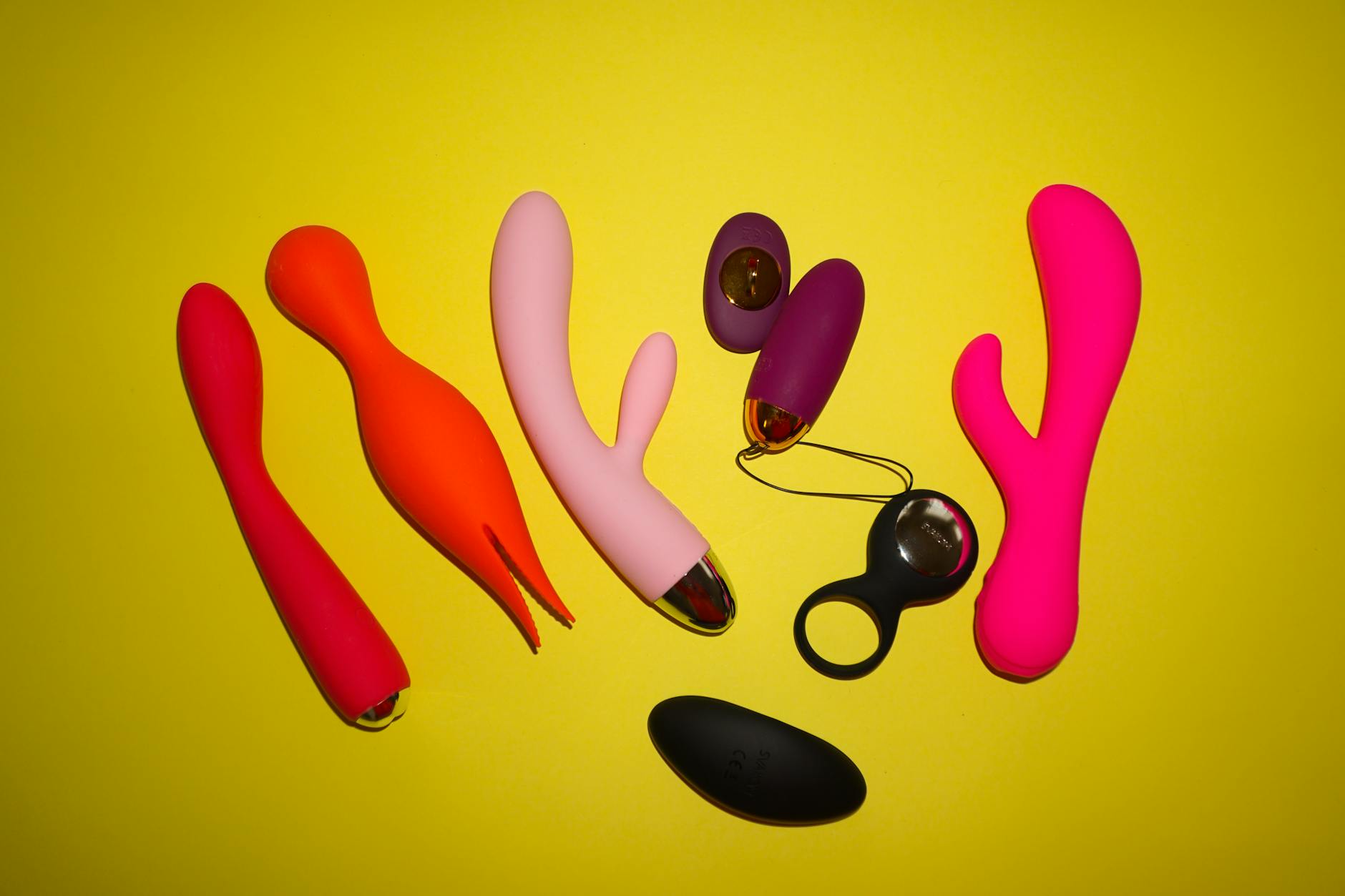
Let's talk about the thing no one prepares you for
Vaginal dryness is real, it's common, and it absolutely doesn't mean you stop having pleasure. What it does mean is that penetrative sex gets uncomfortable, sometimes painful, and often not worth the friction. But here's the part nobody says out loud: for most people with vulvas, the clitoris is where the real party happens anyway.
Enter lemon vibrators. Specifically, the suction-based design that avoids the whole penetration problem and delivers the kind of direct clitoral stimulation that actually works when you're dry.
Why dryness happens and what it changes
Estrogen levels drop with hormonal shifts like menopause, perimenopause, hormonal birth control, breastfeeding, or high stress. When estrogen declines, vaginal tissues get thinner and produce less natural lubrication. That's the biological piece. The emotional piece is different: dryness often shows up alongside shame, frustration, or the assumption that your body is broken. It's not.
What dryness actually changes is the comfort level of penetrative sex. The clitoris? Still there. Still responsive. The nerve endings in your vulva? Still firing the same way they always have. The problem isn't your capacity for pleasure. It's friction.
Why lemon clitoral vibrators sidestep the issue entirely
Lemon suction vibrators work through air-pulse technology, not traditional vibration. Instead of moving back and forth, they create rhythmic suction that stimulates the clitoral complex by focusing pressure rather than mechanical movement. This is wildly different from penetration, which relies on the vaginal tissues being cooperative and lubricated.
The beauty of this design is simple: a lemon vibrator doesn't require vaginal lubrication to work. The clitoris sits outside the vaginal opening, and suction-based stimulation creates pleasure without any need for internal wetness. You get the same orgasmic response, the same intensity, and none of the discomfort that comes with trying to force penetration when your body isn't cooperating.
This isn't a compromise. For many people, clitoral suction is actually more effective than penetration ever was. The concentration of nerve endings in the clitoris means focused stimulation often creates faster, more intense orgasms.
The lube conversation, even though you probably don't need it
Honestly though, most people still use lube with a lemon clitoral vibrator. Not because you have to, but because extra lubrication changes the sensation. It reduces any potential drag on the external tissue, makes the suction feel smoother, and honestly, just feels good.
If you do choose to use lube with your lemon vibrator, stick with water-based. Silicone-based lubes can degrade silicone toys, and oil-based lubes can trap bacteria. Water-based lubes are cheap, compatible with every toy material, and wash off easily.
The real game changer isn't the lube though. It's permission to stop thinking about penetration as the default and start treating clitoral pleasure as the main event.
How to start if penetration has become painful
Pain during sex is different than dryness, and it needs different attention. If you're experiencing pain beyond discomfort, see a gynecologist or pelvic floor physical therapist. Genitourinary syndrome of menopause (GSM) is real, treatable, and sometimes responsive to topical estrogen creams that barely absorb into your system.
But if it's just dryness and reduced lubrication making penetration annoying, a lemon suction vibrator offers a straightforward pivot. Start with the lowest intensity setting. External stimulation means you can control exactly where the suction hits, which tissues feel it, and how intense it gets. You have way more precision than with penetrative sex.
Give yourself 10 to 15 minutes without any expectation of orgasm. The goal is just to reconnect with sensation. Notice where the suction feels best. Notice if intensity matters more than rhythm. Notice what your body actually wants right now, not what you think it should want.
The conversation with a partner, if you have one
Here's where it gets tricky: dryness often lands in a relationship when penetration has been the center of how partners connect sexually. Shifting that focus can feel uncomfortable, especially if your partner has internalized the idea that their pleasure depends on penetrating you.
It doesn't. And saying that clearly matters more than any specific strategy.
If you have a partner, the honest version goes something like: "My body is changing. Penetration is uncomfortable right now, and I'm not sure when that will shift. I want to keep exploring pleasure with you, and that means we need to broaden what that looks like. A lemon vibrator on my clitoris feels good. I'd like to incorporate that into what we do together."
Some partners are relieved. Some feel defensive. Both responses are data about what you're working with emotionally, and that's worth discussing separately from the mechanics of pleasure.
When dryness is temporary and when it's not
Some dryness resolves once the stressor passes. Post-partum dryness often improves as hormone levels restabilize. Stress-related dryness gets better when life slows down. Medications like certain antidepressants or antihistamines can dry you out, and switching to a different option might help.
Other dryness is long-term. Menopause dryness doesn't reverse without hormone replacement. Some people stay dryer than they used to be, indefinitely. Both scenarios are fine. The adaptation is the same: shift the focus away from penetration and toward what actually creates pleasure without friction.
A lemon clitoral vibrator is honestly one of the smartest tools for this transition because it doesn't ask your body to do anything it's not currently equipped to do. It works with what's actually happening, not against it.
Building confidence after discomfort
When penetration has hurt or felt awful for a while, your brain starts associating sex with negative sensation. That association doesn't magically disappear once you switch strategies. You might feel anxious, even when you're using a lemon vibrator and should theoretically be comfortable.
That's normal. Your nervous system learned that sex equals pain, and it doesn't trust that suddenly everything is different.
Start solo. Let yourself explore without any pressure to perform or prove anything. A lemon vibrator, on your own terms, in your own space, at your own pace. This is where you rebuild the association between pleasure and your body.
Once that connection feels solid again, bringing a partner into that experience is an easier ask. You're not starting from a place of proving that you still work. You're inviting them into something that's already working.
The bigger picture: dryness doesn't limit pleasure
Vaginal dryness is a tissue change. It is not a capacity change. You can still orgasm. You can still feel everything. You can still want sex. The friction of penetration might not be available right now, and that's genuinely okay. Clitoral pleasure is not second-tier. It's not a consolation prize.
For many people, shifting fully to external clitoral stimulation with tools like lemon vibrators actually improves their sex life. Faster orgasms. Stronger sensations. More control. Less performance anxiety. The dryness was the push; the discovery is the payoff.
FAQs: What people actually ask
Can I use a lemon vibrator if I'm still having painful penetration?
Absolutely. Lemon clitoral vibrators don't require any penetration at all. They work on external tissue, so penetrative discomfort is completely irrelevant. If deep pain persists, definitely mention it to a doctor. But clitoral stimulation can happen independently of whatever's happening internally.
Do I need lube if I use a lemon vibrator?
Not required, but many people prefer it. Lube reduces drag on external tissue and changes the sensation in ways that feel good. Water-based lube is safest for toys. If you do use it, a little goes a long way.
How long does it usually take to have an orgasm with a lemon clitoral vibrator?
It varies wildly. Some people orgasm in 2 to 3 minutes. Others take 10 to 15. First time, you might take longer because your nervous system is learning a new sensation. That's fine. No timer, no rush.
Is dryness permanent?
Not always. Stress-related or medication-related dryness can improve once the trigger changes. Menopause-related dryness is usually long-term. Either way, your options for pleasure don't shrink. They just shift.
Can my partner use a lemon vibrator on me?
Yes. A partner can absolutely hold and control a lemon vibrator on your clitoris. Some people find that feels more intimate than solo use. Communicate about intensity and rhythm as you go.
Should I see a doctor about dryness?
If dryness is new and sudden, or if you have pain accompanying it, yes. A gynecologist can rule out infections or other issues and discuss options like topical estrogen if it's severe. But mild dryness managed with external stimulation and lube? That's fine to handle on your own.