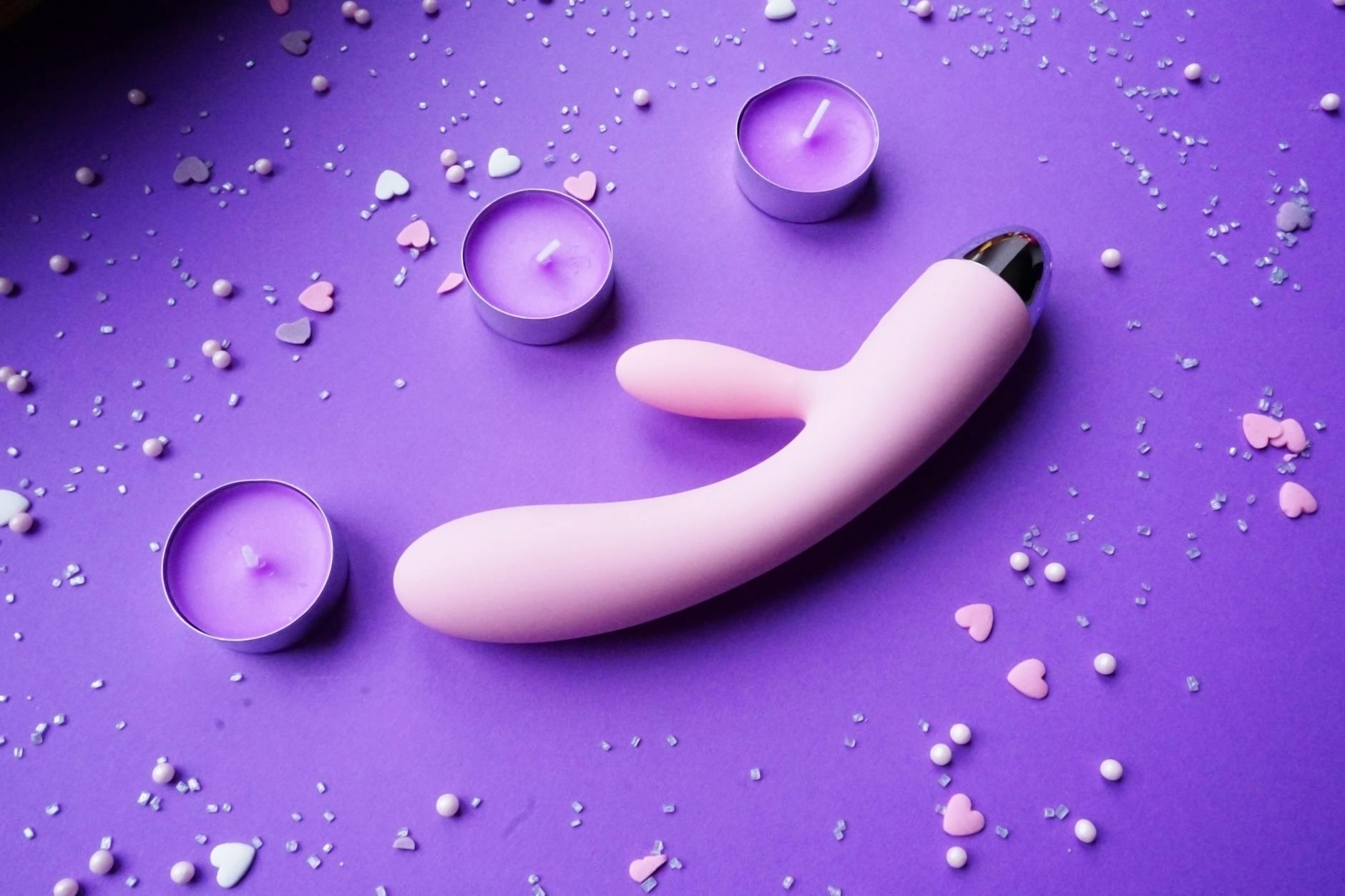
Let's start with what nobody says out loud
Starting a new intimate relationship when you've been hurt, broken up, or just been alone for a while is tender work. Your body remembers old patterns. Your nervous system is on alert. And introducing a toy into that fragile new dynamic? That can feel like inviting complications you're not ready for.
Here's the truth I see in my practice all the time: lemon vibrators and clitoral suction toys often make the transition easier, not harder. They give you both permission to slow down, to explore without performance pressure, and to build a new shared language around pleasure that belongs only to you two.
Why new relationships need a different approach
When you're with someone for the first time sexually, a few things happen neurologically. Your brain is simultaneously flooded with dopamine (the new-love high) and cortisol (the vulnerability stress). You're scanning for safety signals. You're trying to figure out what they like while also figuring out what you like with them. That's a lot of background processing that doesn't leave much headspace for relaxing into pleasure.
Add a traditional vibrator to that mix and it becomes another performance metric. "Am I doing this right? Is this weird to them? Should it be faster?" Your nervous system stays in assessment mode instead of dropping into sensation.
Lemon clitoral vibrators work differently. The suction mechanism is less about external stimulation you control and more about internal response you experience. It gives your partner less to "do" and you more actual sensation to sink into. That shift alone can reset the dynamic from "performing sex" to "experiencing pleasure together."
The conversation you need to have first
Don't introduce a lemon vibrator or any toy by surprise. That's not romance, that's a trust violation. Here's a better path: find a quiet moment when you're not about to have sex. Maybe you're on the couch, or walking, or lying in bed not touching. Say something like: "I've been thinking about exploring toys with you. I'm curious what you think."
Listen to what comes back. Some partners will light up. Others will feel anxious. Some will say "maybe later." All of these are information, not rejections. If they're nervous, name it: "I get it. New things feel weird. I'm nervous too. But I think it could be good for us."
The conversation isn't about selling them on the toy. It's about building enough trust that you can explore something vulnerable together. That conversation often matters more than the actual toy.
How to introduce it without it feeling clinical
When you're ready to try a lemon vibrator together, timing is everything. Pick a moment when you're both relaxed and already a little turned on. Not a night when you're exhausted or distracted. The goal isn't to "achieve" an orgasm. It's to play.
Start alone. I know this sounds counterintuitive, but having your partner watch you use your lemon clitoral vibrator first removes a lot of pressure. You get comfortable with it. They get to see how much you enjoy it. And suddenly it's not a weird foreign object. It's just part of how you experience pleasure.
When you're using it, don't perform. Your partner doesn't need to see the perfect angle or hear sexy sounds if that's not authentic. Just explore. Try different intensity settings. Move it around. Let your body respond honestly. This is literally foreplay for them.
The second conversation: using it together
After a few times with it alone, the next step is incorporating it when you're intimate together. This is where it gets genuinely good for rebuilding closeness.
One setup: you're both already aroused, and your partner uses the lemon vibrator on you while you're together. This keeps you connected, but it takes the pressure off them to create all your sensation. They're still part of it, but it's collaborative instead of transactional.
Another: you use it on yourself while they're inside you or touching you elsewhere. This keeps the focus on your pleasure without making them feel like a bystander. Many partners find watching their partner experience genuine pleasure incredibly sexy. It's not about them performing. It's about them witnessing.
Managing the emotions that show up
Something weird often happens when you introduce toys into a new relationship: feelings of inadequacy rise up. "Are they bored with me?" "Do I not satisfy them?" "Is this a sign something's wrong?" These aren't logical thoughts. They're trauma responses from old relationships or old shame about your own body.
This is where explicit communication matters. Not afterward in the afterglow when everything feels good. In the moment. "I love when you use this with me because it lets me focus on sensation instead of performing." Or: "You trying this with me makes me feel like you care about my pleasure, not just about looking a certain way."
These small reframes are relationship glue. They're also true. Lemon vibrators genuinely do shift the dynamic from performance-based sex to pleasure-based sex. And in a new relationship still building trust, that matters enormously.
Common worries and what actually happens
I hear the same concerns from people starting over with a new partner. Let me address them directly.
Worry: They'll think I'm too sexual or high-maintenance. Reality: people who shame you for wanting pleasure aren't safe partners anyway. A partner worth keeping wants you to feel good. If they react with judgment instead of curiosity, that's information about their relationship capacity, not about you.
Worry: I'll get dependent on it and won't be able to enjoy sex without it. Reality: lemon clitoral vibrators aren't a crutch. They're a tool. You can absolutely orgasm without them, with them, during partnered sex, solo. It's not either/or. Pleasure diversity is a strength, not a weakness.
Worry: It'll make things weird or clinical. Reality: sex gets weird when there's no communication. Adding a toy forces the communication that makes things less weird, not more. You're literally having to talk about what you want.
Practical setup tips for your first time
When you're actually using a lemon vibrator with your new partner, a few logistics help.
Start with the lowest setting. Suction sensation can feel surprising if you're not expecting it. Let your body adjust to the sensation before turning it up. There's no prize for maximum intensity.
Use it for about five to ten minutes, then pause. Take it off. Kiss. Touch. Let the arousal build again naturally. Then come back to it. This rhythm is way more intimate than "vibrator on until orgasm." It keeps you connected instead of you disappearing into solo sensation while your partner watches.
Have water nearby. Suction toys work best on skin that's not bone dry. A little natural lubrication is your friend. If you need extra, use water-based lube. It keeps the suction effective.
Talk about what you're feeling. Not after, but during. "That feels amazing." "Try a little lower." "Slower." Your partner wants to know they're doing something you enjoy. Feedback is the opposite of breaking the mood. It's deepening it.
Why lemon vibrators specifically help new relationships
I'm recommending lemon clitoral vibrators and suction toys here because they work differently than traditional vibrators in ways that serve new couples specifically. The sensation is more about what you feel than what your partner has to deliver. It doesn't require rhythm or speed matching. It's less about them performing and more about you both experiencing something together.
For people rebuilding after pain, that permission to prioritize your own sensation while still being emotionally connected to someone new is profound. It says: you can be selfish about your pleasure and still be a good partner. Those two things aren't in conflict.
The longer game
Introducing toys early in a relationship actually streamlines things for later. You're not dealing with years of unspoken assumptions. You're building a language for pleasure from the start. That investment compounds.
People who start open conversations about desire and sensation early end up with better long-term intimacy. The toy isn't the point. The vulnerability required to bring it in is the point. And that vulnerability becomes the foundation for everything else.
Frequently asked questions
Can introducing a toy make my new partner feel insecure?
Possibly, but only if they're already insecure or if you bring it in without conversation. The toy itself isn't the problem. Surprise, judgment, or pressure to use it are. Have the conversation first. Make it clear you want to explore together, not that you're replacing them.
What if they want to use it on me but I'm nervous about asking for specific things?
That nervousness is normal when you're new to someone. Start by just showing them what you like solo. Let them watch. Then invite them to hold it while you guide their hand. Guidance isn't criticism. It's collaboration. Most partners appreciate clear direction because it means they're actually making you feel good.
Should we use the lemon vibrator during penetration?
Yes, many people do and find it enhances sensation dramatically. If you're both interested, you can use it on the outside while they're inside you, or they can hold it while you move. Experiment and pay attention to what feels connected versus isolating. There's no right answer. Just what works for you two.
How do I know if we're ready to introduce a toy into our intimate routine?
You're ready when you've had a conversation about it and both said yes, even if one of you is nervous. Nervousness and readiness aren't mutually exclusive. If someone says "I need more time," give them more time. If someone says "absolutely not," that's information worth examining in the context of your whole relationship.
Is it weird to use a lemon clitoral vibrator if we haven't been together very long?
Not weird at all. Some couples use toys within their first month. Some wait years. The timeline that matters is the one you both agree on. Shorter timelines can actually be better because there's less shame and less entrenched patterns to unwind.
What if we use it once and I hate it?
Then you use it once and don't use it again. Toys aren't commitments. They're experiments. You're allowed to try something and decide it's not for you. That's data, not failure.
What happens next
Introducing a lemon vibrator with a new partner isn't about fixing anything. It's about building intimacy on a foundation of honest desire from the start. When you can be vulnerable enough to say "I want to feel good," and your partner is curious enough to say "let's figure this out together," you're not just having better sex. You're building a relationship where pleasure and honesty are the baseline.
That foundation changes everything else that comes after.
If you're navigating this transition and want support, whether it's about toys or about rebuilding trust after loss, reach out. That's what we're here for.