Long-distance changes everything about how you reconnect
You spent six months texting at odd hours, video calls with spotty WiFi, maybe the occasional airplane ticket. Now you're in the same room again. And somehow, physically reconnecting feels harder than it did before you left.
This is so common that I've stopped being surprised by it in my practice. Distance doesn't just create space. It rewires how you think about each other's bodies. After months of conversation-based intimacy, the shift back to physical touch can feel startlingly awkward. Your bodies need to relearn each other.
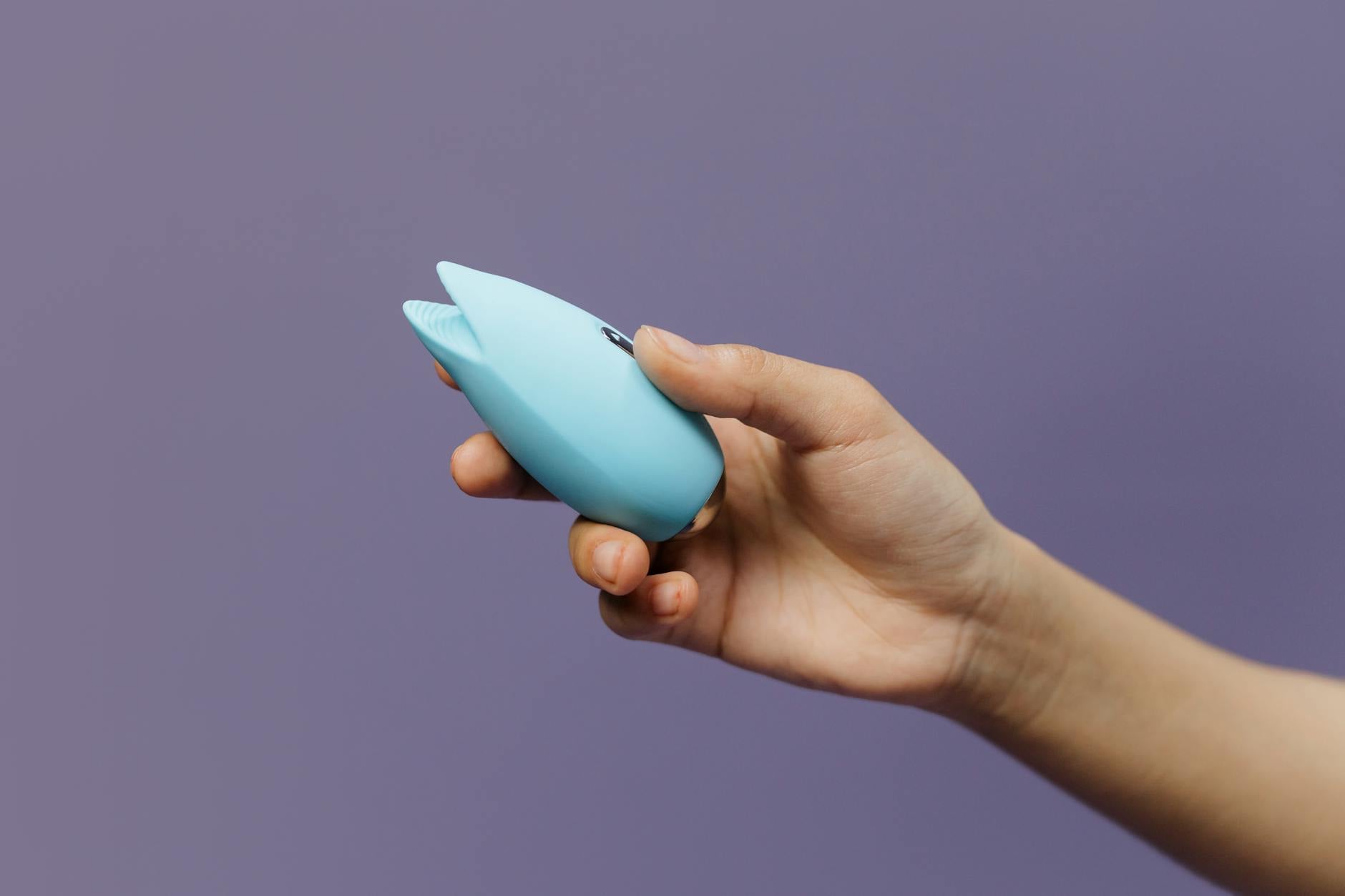
Lemon vibrators, specifically the suction-based design of clitoral vibrators like the Lem, are one of the best bridges I've found for couples in this exact moment. They're not a workaround for missing passion. They're a framework for rebuilding presence without the weight of expectation.
Why physical reconnection after distance is actually harder than it sounds
Here's what nobody warns you about. When you're long-distance, your partner exists primarily as conversation, as voice, as text. You've built intimacy through words and vulnerability. That intimacy is real and deep. But your bodies haven't been part of it for months.
Now you're standing in the same room and your nervous system doesn't quite know what to do. Desire doesn't turn on like a switch just because someone flies back home. Arousal needs context, permission, and ease. If you're both nervous about whether you'll "still work" physically, that tension kills arousal faster than anything.
People often interpret this awkwardness as a sign that the relationship has changed. It hasn't. Your bodies just need time to trust each other again.
The suction advantage for couples relearning touch
Lemon vibrators work differently than traditional vibrators. The suction-based stimulation of a clitoral sucker creates a gentler, more diffuse sensation that requires less direct pressure. This matters for reunion sex specifically.
After distance, bodies are often more sensitive to touch, not less. Your nervous system has been on low-alert mode. A partner touching you suddenly can feel overwhelming or too intense. Suction stimulation spreads sensation more broadly across the clitoris, which means less shock to the system and more room for arousal to build gradually.
This slower build also gives both partners time to sync up emotionally. One of you might be ready faster. The other might need to warm up. A lemon vibrator lets the person with the vulva set the pace while the partner stays engaged and present, rather than watching and waiting.
How to introduce the vibrator without it feeling like a third wheel
The biggest mistake couples make is treating the vibrator as a solution to a problem. "We're not doing well, so let's add a toy." That energy kills the moment instantly. Instead, frame it as an adventure you're both curious about, not a fix for distance.
Start outside the bedroom. Talk about it over dinner or in the car. "I've been thinking we could try this together. I'm not sure how it'll feel, and I want to explore that with you." The words matter less than the tone. You're inviting them into something new, not confessing that sex isn't working.
When you do use it, let the partner with the vulva hold it and direct it. This gives them control of pressure and pace. The other partner can touch your face, kiss your neck, hold your hand. The vibrator isn't replacing their touch. It's giving you a framework where both of you can be present at the same time without the pressure of a specific performance.
Starting slow, especially in the first week back
Many couples reunite and immediately assume they should have intense sex. This almost always backfires. After months apart, your bodies need to remember each other in stages.
Week one, focus on touch without orgasm as the goal. Use the lemon vibrator for 10-15 minutes, low settings, no pressure to come. This does two things. First, it reminds your body what arousal feels like. Second, it removes the performance pressure that makes reunion sex so fraught.
If orgasm happens, great. If it doesn't, that's information. It tells you that your nervous system is still settling, and you need more time. There's no failure here.
By week two or three, once you've both felt comfortable with presence and touch, you can explore faster settings or longer sessions. But rushing this timeline is exactly how couples end up thinking long-distance broke something that was actually fine.
Navigating desire differences when one person rebounds faster
This is where most couples actually hit snags. One person bounces back into desire immediately. The other is still in their solo-intimacy-with-vibrators headspace from months of being apart. These timelines rarely match.
A lemon clitoral vibrator actually solves this elegantly. The partner with faster-rebounding desire can engage through touch and presence while the other person uses the vibrator to build arousal at their own pace. You're together, physically touching, but not locked into having to match each other's speed.
This takes the pressure off both of you. The faster person doesn't feel rejected. The slower person doesn't feel rushed. And because you're using a tool that's focused on clit stimulation, you're not in the "am I ready for penetration yet" zone, which adds its own layer of anxiety after distance.
How to talk about what changed in your bodies
Sometimes distance isn't the only thing that changed. One person might have gained or lost weight. Someone might feel less confident. Hormones might be different. These changes matter, and pretending they don't usually means avoiding physical touch altogether.
Use the vibrator experience as a soft entry point to these conversations. "I noticed I felt more sensitive this time." "I was nervous you wouldn't like how I look now." These statements are way easier to make when you're already being vulnerable together, already taking pressure off sex having to look a certain way.
A lemon vibrator, by design, keeps the focus on clitoral pleasure rather than body appearance. This can actually help you both feel less self-conscious and more present. You're in sensation, not in your head.
When to bring the vibrator into partnered stimulation
Once you've both gotten comfortable with the vibrator in the room, the next level is incorporating it into partnered sex. This doesn't mean penetration with a vibrator. It means one partner using the vibrator while the other touches them elsewhere. Or alternating who holds it.
The suction action of a lemon vibrator pairs really well with kissing, hand-play, and verbal intimacy. You can talk about what you're feeling. You can move together. You can actually be present with each other instead of in a rush to finish.
Many couples find that this changes their sex life permanently, even after the reunion period ends. They realize they prefer this kind of collaborative pleasure to traditional patterns. That's not a side effect of distance. That's distance accidentally giving you permission to explore what you actually want.
Managing the anxiety of "what if the spark doesn't come back"
This fear is almost universal with long-distance couples. You're terrified that months apart broke something fundamental. The way to move through this isn't force. It's patience and presence.
Using a lemon vibrator actually helps because it takes some of the emotional weight off sex. You're not trying to prove anything. You're not racing toward a specific outcome. You're just showing up together and seeing what happens. Many times, once you release that pressure, the spark returns naturally.
But some couples do discover that distance revealed something real. Maybe physical chemistry was never actually there. Or maybe you changed in ways that matter. A vibrator won't fix that. Nothing will. But at least you'll know, and you can make a choice based on honesty instead of fear.
The long-distance advantage you might not have considered
Here's what I tell clients who are nervous about reunion sex. You spent months building emotional and verbal intimacy. That's a gift. Most couples don't have that. When you add back physical touch, you're combining deep conversation with presence. That's a rare thing.
A lemon vibrator just makes the physical part less performative so the emotional part can stay in the room. You're building pleasure together, not spectating while one person tries to prove they still want you.
Rebuilding after distance isn't about erasing what happened. It's about integrating the person you became apart with the couple you want to be together.
FAQ: Rebuilding Intimacy After Long-Distance
How long does it usually take to feel physically comfortable again after months apart?
Every couple is different, but most find that weeks two through four feel significantly easier than week one. Your nervous system needs time to recognize your partner's touch as safe and familiar again. Some couples feel connected physically within days. Others need two to three weeks. There's no timeline you should match. The pressure to "get back to normal" quickly is actually what slows the process down. Patient exploration gets you there faster.
Is it normal to feel less attracted to your partner when you first reunite after long-distance?
Completely normal. Attraction isn't just chemical. It's also contextual. After months of conversation, your brain is wired for words, not physical presence. It takes time for your nervous system to shift gears. This feeling almost always passes as you rebuild touch and presence together. If you're using that feeling as proof the relationship is broken, you're probably wrong. If it's still absent after several weeks of reconnecting, that's worth exploring, maybe with a therapist.
Can we use a lemon vibrator if one of us is nervous about toys?
Absolutely. The key is starting the conversation outside the bedroom and framing it as adventure, not necessity. Many people who are nervous about toys warm up to them quickly once they experience how gentler the stimulation actually is. Let your partner watch you use it solo first. Demystify it. Then invite them to be present if they want. There's no pressure to incorporate it immediately. The goal is comfort and presence, not checking a box.
What if we have very different comfort levels with the toy?
That's actually the most common scenario. One partner is excited. The other is hesitant. The solution is to move at the hesitant person's pace without making them feel guilty for that. Maybe they watch a few times before they touch it. Maybe they hold it before you use it. Maybe they're never interested and you use it solo while they cuddle you. All of these are fine. The moment it becomes a source of resentment is the moment it's doing the opposite of what you want it to do.
How do we avoid the vibrator becoming a crutch instead of a tool for reconnection?
The vibrator is a crutch if you're using it to avoid conversation or emotional work. It's a tool if you're using it to build presence and ease pressure. The difference is: are you talking to each other during and after? Are you curious about what each person is experiencing? Are you using it to explore together or to bypass the awkwardness of reunion? Intention matters. If you're using it because you're both nervous and you want to ease into touch, that's healthy. If you're using it because you can't face the harder conversation about whether you actually still want each other, that's different.
What if we use the vibrator and one person still doesn't feel attracted?
Then you have real information. A tool can't create attraction that isn't there. It can remove barriers to attraction, but if you've removed the barriers and it's still absent, that's something to address honestly. Maybe with a couples therapist. Maybe through deeper conversation about what's actually changed. Don't mistake "this toy didn't fix it" with "this relationship is broken." Sometimes the real issue is that you need professional support to rebuild, not a different toy.
Getting back to us
Long-distance isn't a relationship failure. It's a different context. And coming back from it isn't about forcing passion to return on schedule. It's about rebuilding presence, bit by bit, touch by touch, with tools and permission that make it feel safe instead of pressured.
A lemon vibrator won't rebuild your relationship. But it can create the space where you actually can. If you're in the reunion phase right now and everything feels awkward, that's not a sign something's broken. It's a sign your nervous systems are still catching up to being in the same room.
Take your time. Stay curious. Use tools that keep pressure off. And remember that the conversations you had over distance aren't lost. They're the foundation you're building on now.
If you want to talk through what reconnection looks like for your specific situation, I'm here for that. Reach out anytime.