
Let's name what's actually happening
Grief shows up in your body before it shows up in your head. A diagnosis. A surgery. Weight gain or loss you didn't choose. A scar. Aging that somehow happened faster than you expected. Hair loss. Medication side effects. The postpartum body that doesn't bounce back the way the internet promised.
These aren't small things. They're the loss of a version of yourself you thought you'd keep living in. And somewhere in the middle of that grief, pleasure becomes complicated. Not because desire is gone, but because your body feels like a stranger. Reconnecting with lemon vibrators and clitoral pleasure when you're in that space requires something most sex advice skips entirely: permission to grieve first.
Why your body grief matters to pleasure
Here's what I see in my practice: people skip the grief and try to jump straight to "sexy time." It doesn't work. You can't feel good in a body you're mourning. The disconnection is real, and it's not weakness. It's information.
Your nervous system is holding a story about what your body used to be, what it can no longer do, what it lost. Until that story gets heard, pleasure stays locked in the background. You might have responsive clitoral nerve endings. You might still orgasm easily. But the experience feels hollow because part of you is absent.
I work with clients on three parallel tracks: grieving the body change, restoring sensation and confidence, and then rebuilding pleasure with intention. Lemon vibrators fit beautifully into tracks two and three, but only after you've given yourself space for track one.
The nervous system side of body grief
When you experience a significant body change, your nervous system recalibrates. It's protective. Sensation becomes muted because feeling everything acutely when you're grieving is overwhelming. Some clients describe it as numbness. Others say they feel like they're watching their own experience from outside their body.
This is dissociation, and it's a feature, not a bug. Your brain is helping you survive something that feels like loss. But it means that when you pick up a toy, you might feel disconnected from the experience. The sensations are there, but you're not fully landing in them.
Clitoral suction toys like the Lem work particularly well in this context because they create a different type of stimulation than traditional vibration. Suction feels more engaging, more demanding of your attention. It's harder to zone out when your body is responding to that kind of specific pressure. That's why lemon vibrators can be a useful tool for reconnecting rather than just chasing orgasm.
Starting from zero: how to rebuild sensation after body grief
If you're rebuilding pleasure after a body change, speed is your enemy. Here are the steps I recommend:
Week 1-2: Sensation mapping without expectation. Spend 10-15 minutes with no toy, no goal. Just notice what your body can feel. Where's sensation numb? Where's it sharp? Where's it pleasurable? You're building a map, not training for anything. This sounds simple and it is profoundly hard because your brain will immediately ask "Are we turned on yet?" The answer is: doesn't matter.
Week 3: Introduce the toy on low, no stimulation goal. Hold your lemon vibrator in your hand (not touching your body). Feel the texture. Run it over your arm. Your inner wrist. Your neck. Get reacquainted with the idea that pleasure comes from an external object. Notice any shame or weirdness that surfaces. It belongs there. Let it.
Week 4-5: Light external touch. Start with your vibrator on the lowest setting, touching your outer labia, your inner thighs, anywhere except the clitoris. Spend at least 3-4 sessions here. Your nervous system needs to remember that touch can feel good without being intense or goal-oriented.
Week 6+: Introduce direct clitoral contact, pattern by pattern. Start at settings 1-2. Your body's sensitivity has changed. What felt gentle before might feel intense now. You're learning a new baseline, not recreating an old one.
The emotional architecture underneath
Body grief often carries shame or guilt. You might feel angry at your body, or angry at yourself for grieving a change that's "not that bad" or that others would "kill for." Both things can be true: your body change is survivable AND it's a legitimate loss. You don't have to choose.
When you're using lemon vibrators during this time, notice what thoughts come up. "This should feel better than it does." "Why can't I just be grateful?" "Am I broken?" None of these thoughts mean you're broken. They mean you're human and you're grieving. The goal isn't to fix your thoughts. It's to use pleasure as a way of saying to your body: "I'm here. I'm staying. You're not gone."
If you're partnered, this gets more complicated. Your partner might not fully understand body grief because it's not happening to them. That creates a gap. Rebuilding pleasure alone, with your lemon vibrator, is actually the foundation. You reconnect with your own body first. Then, from that grounded place, you can rebuild intimacy with someone else. This isn't rejection. It's honesty.
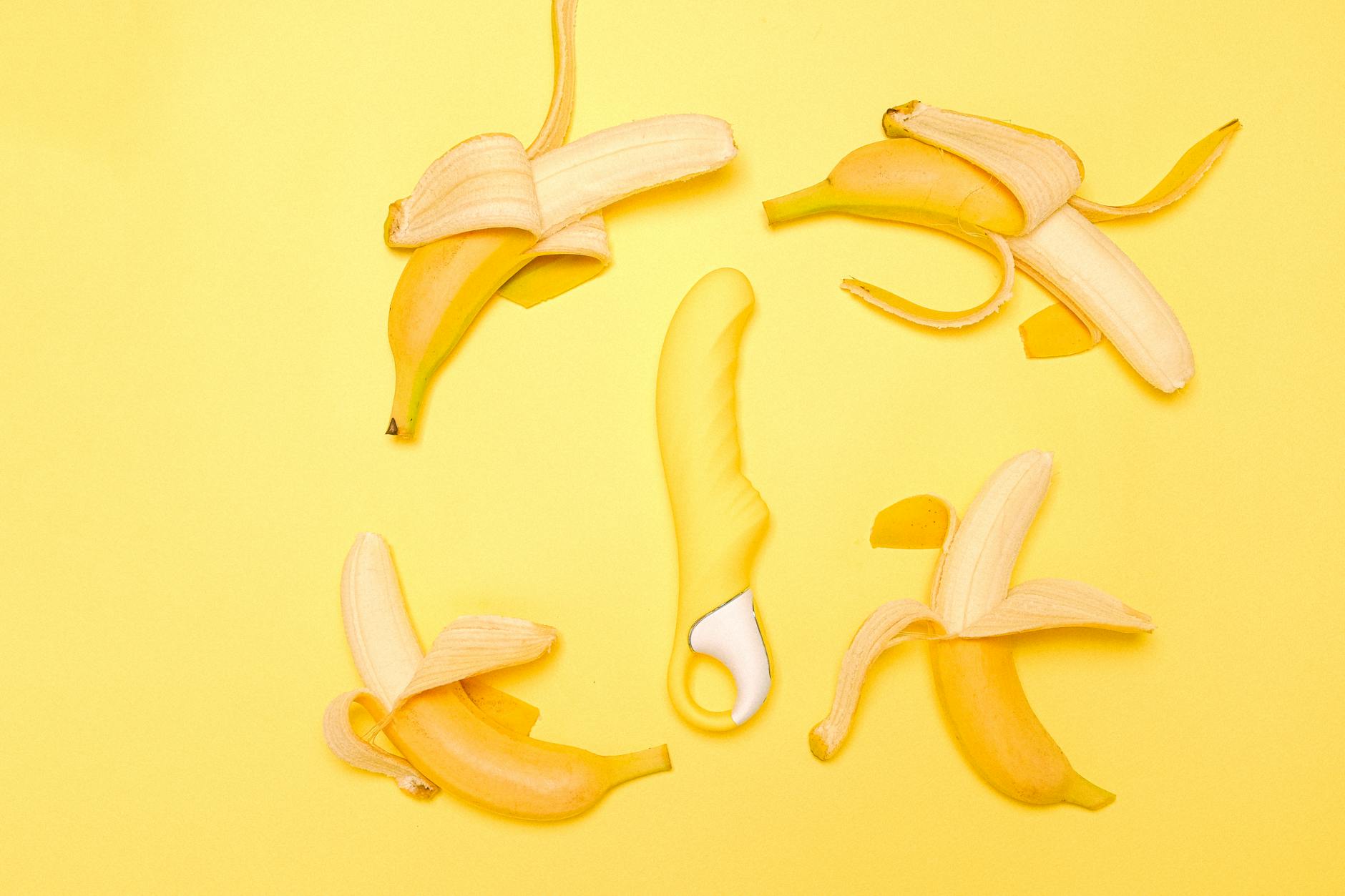
Photo by Anna Shvets on Pexels
When clitoral sensation feels different after body change
Your clitoris didn't go anywhere. It has the same nerve density, the same capacity for pleasure. But how you access that pleasure might have shifted. The angle that worked. The pressure that worked. The speed. All of that can change with surgery, weight changes, hormonal shifts, aging, or even just how your nervous system is holding stress.
Lemon vibrators offer flexibility because suction stimulation feels different than vibration. Some people find that suction feels more connected, more grounding. Others find vibration more accessible because it requires less direct contact. You might also discover that the patterns that worked before don't work now. That's not failure. That's information. You're learning a new body.
I often recommend people try multiple patterns and pressures without expectation of outcome. The goal isn't orgasm. It's sensation. "Can I feel this at setting 2?" "What about setting 4?" "Do I prefer the constant pattern or the pulsing one?" You're running an experiment on your own pleasure, which is both scientifically useful and emotionally empowering.
The timeline is not linear
You'll have nights where pleasure feels present and accessible. You'll have nights where numbness returns and you feel like you've lost all progress. Both are normal. Grief isn't a one-way staircase up. It loops back on itself. Your body will have good days and hard days. Use lemon vibrators on the good days without judgment, and give yourself permission to rest on the hard ones.
Most people need 4-12 weeks to feel genuinely reconnected after a significant body change. Some take longer. Some move faster. There's no right pace. I measure progress not by orgasm but by presence. Can you feel more of your body now than you could three weeks ago? That's the real win.
When to reach out for support
If numbness is total and hasn't budged after 8-10 weeks of gentle exploration, talk to a therapist who specializes in trauma and the body. Body grief can activate old trauma or create new trauma responses. Professional support isn't weakness. It's actually the most direct route back to sensation.
Similarly, if shame is overwhelming every time you touch yourself or use a toy, that's worth naming with someone trained to help. You can absolutely rebuild pleasure alone. But you don't have to.
Read more about how to use lemon vibrators when your body feels numb or sensation delayed for additional strategies on reconnecting with delayed sensation.
The grief piece no one talks about
Here's what I wish someone had told me when I was working through my own body changes: pleasure is a form of rebellion against loss. It's you saying, "Even though my body changed, even though I'm grieving, even though this is hard, I still deserve to feel good." That's not shallow. That's radical.
Using lemon vibrators after body change isn't about getting back to where you were. It's about building something new. A different relationship with sensation. A more honest one. Your body is telling you the truth about what it can feel, what it needs, what it's capable of. That truth is worth listening to.
Start small. Be patient. Let yourself grieve. Then let yourself feel good again. Not despite the changes. Because you're still here, still living, still deserving of pleasure.
People also ask
How long does it take to feel pleasure again after a major body change?
Most people feel noticeable reconnection within 4-8 weeks of gentle, consistent exploration. But "reconnection" doesn't mean back to baseline. It means learning what pleasure feels like in your changed body. Some people find it's actually more intense or more satisfying than before. Others find it different in ways they appreciate once they stop comparing to the past. The timeline also depends on the type of change, your support system, and whether you're carrying other trauma. If you're not feeling any shift after 12 weeks, professional support is worth considering.
Can lemon vibrators help with dissociation during sex?
Yes, and here's why: dissociation is your nervous system leaving because something feels unsafe or overwhelming. Suction stimulation creates a specific, intense sensation that's harder to dissociate from than gentle vibration. It demands more attention. That said, if you're actively dissociating, the toy isn't the fix. The fix is slowing down, breathing, and grounding yourself in the present moment. The toy is a support tool, not a solution to trauma.
Is it normal to feel angry or sad during solo pleasure after body change?
Completely normal. You're touching a body you're grieving. Emotions will surface. Some people cry. Some people feel angry. Some feel both. You don't need to fix this. You can just let yourself feel it while you're using your lemon vibrator. Pleasure and grief aren't opposites. They can exist at the same time.
Should I tell my partner I'm working through body grief with solo exploration?
That depends on your relationship. If you're partnered, rebuilding pleasure alone isn't about excluding your partner. It's about building confidence in your own body before bringing them back in. You can say something like, "I'm taking some time to reconnect with myself because my body feels different to me. I want to understand what feels good now so we can rebuild this together." Good partners get that. They understand it's not rejection.
What if I still can't orgasm after weeks of using lemon vibrators?
Orgasm isn't the goal right now. Sensation is. If you're feeling more present in your body, noticing pleasure in small moments, then you're succeeding even if orgasm isn't happening. But if after 10-12 weeks of consistent exploration you're still feeling totally numb, talk to your doctor. It might be hormonal. It might be medication-related. Or it might be worth working with a sex therapist who can help you understand the blocks.
Can body grief affect pleasure with partners even after solo reconnection?
Yes. Rebuilding solo pleasure is step one. Rebuilding with a partner adds a whole new layer of vulnerability. You're not just grieving your own body. You're navigating your partner's response to your changed body. That's complex. Go slow. Communicate. And don't expect it to be the same as it was before. It might actually be better because you're both more honest about what you actually need.
Start with the foundation: time alone with your body, gentle exploration, and permission to grieve. Everything else builds from there. Your pleasure matters. Your body matters. Even when it's changed. Especially then.