Here's what nobody tells you about midlife desire loss
It's not that you stopped wanting sex. It's that you stopped wanting this sex. The kind that happens on autopilot, in the dark, with the same three moves you've been doing for fifteen years. That kind of desire doesn't vanish because you got older or because your body changed. It vanishes because routine killed the signal.
I work with couples in their 40s and 50s who describe the same thing: they still love each other, they're still attracted, but somewhere between mortgages, job stress, and "did you pay the electric bill," intimacy became another chore on a list that never gets shorter. The sex feels obligatory. The touch feels habitual. And so both people slowly stop initiating, which makes the other person feel rejected, which creates resentment, which makes the whole thing feel even more painful to approach.
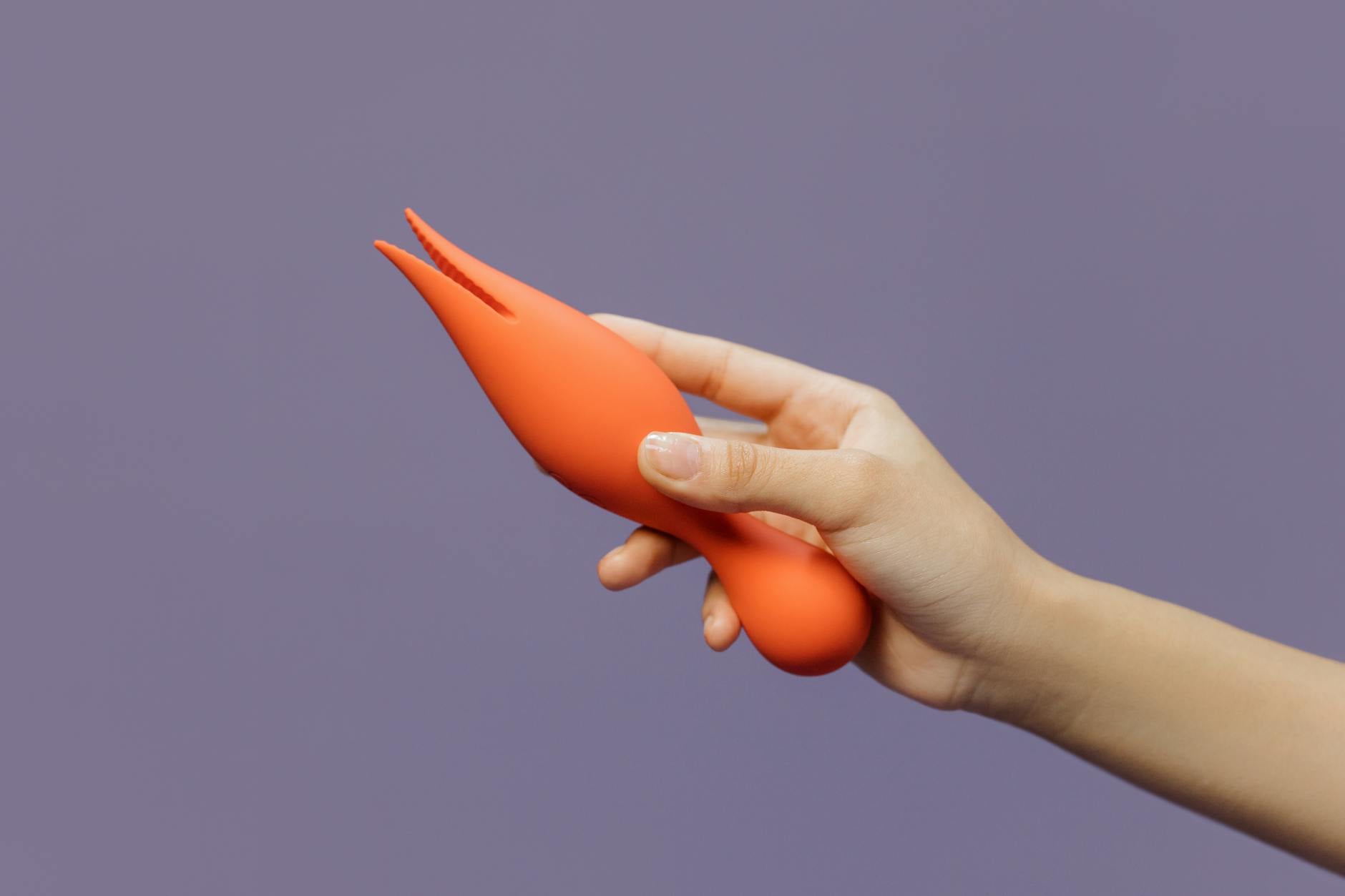
This is fixable. And lemon vibrators are one of the smartest tools for fixing it because they change the dynamic completely. They're not about replacing your partner. They're about introducing novelty, pleasure, and agency back into the equation. When one of you introduces a clitoral vibrator intentionally, it signals something important: "I want this to feel good again. I want us to feel good again."
Why midlife stagnation looks different from desire loss
When desire drops because of depression, medication, or hormonal shifts, the solution is usually clinical. You address the root cause, and desire returns. But when desire drops because of emotional distance and routine, clinical won't touch it. You need novelty, permission, and a reason to show up differently.
This is crucial because many couples mistake boredom for incompatibility. "We've just grown apart," they tell me. Actually, they've grown familiar. There's a difference. Familiar is what happens when you stop paying attention. Incompatibility is when you've paid attention and discovered you actually want different things.
The suction mechanism in lemon vibrators creates something traditional vibrators can't: a sensation that feels genuinely new. It's not faster vibration or stronger vibration. It's a completely different stimulation pattern. That newness alone can break the stagnation loop because your nervous system wakes up. You can't multitask through suction the way you can through standard vibration. It demands presence.
The conversation you need to have first
Before you introduce a lemon clitoral vibrator into your routine, you need to separate two different conversations that most couples accidentally merge.
The first is about desire and novelty: "I miss feeling excited about us. I think we need to try something different to reset that."
The second is about the relationship itself: "I'm not sure we're on the same team anymore. I feel disconnected."
If both are true, address the relationship conversation first with your partner directly, ideally with a therapist. A vibrator won't fix emotional distance. It might temporarily paper over it, which feels productive but isn't.
If the relationship is solid but the sex has just calcified, the vibrator conversation is straightforward. Say something like: "I've been thinking about how we used to feel more playful with each other physically. I want to bring some of that back. Would you be open to exploring something together that might surprise both of us?"
Notice what's missing from that sentence: apology, blame, desperation. You're not saying you're broken or they're broken. You're saying the system is broken and you want to fix it together.
How to introduce a lemon vibrator without triggering defensiveness
The moment many people fumble is the introduction. Surprise your partner with a vibrator in bed and you've just planted a flag that says "I want this without you." That's not what's happening, but that's how it lands.
Instead, show it to them outside the bedroom first. Have the conversation sitting on the couch fully clothed. "I ordered this. I want to try it together. Here's what I read about why people like it." Hand it to them. Let them hold it, feel the weight, ask questions.
If your partner is skeptical or hesitant (and many are, especially men conditioned to believe toys are a criticism of them), you have options. You can use it during solo play first and casually mention what felt good about it. You can ask them to use it on you while you guide them. You can start with the vibrator present but not active, just to normalize the object.
What you're doing is demystifying it. A lemon clitoral vibrator is a tool. It's not a threat. It's not a replacement. It's a permission slip for both of you to slow down and pay attention to what actually feels good instead of what you think should feel good.
The physical setup that actually works
Most couples in stagnation mode have sex in the dark, under the covers, in the same three positions. That environment doesn't invite novelty. It invites continuation of the script.
Try this instead: light a candle or keep the lights on low. Position yourself so you can actually see each other and make eye contact. If there's shame about aging bodies in the room, that's the real problem to solve first, probably with a therapist. But assuming you're past that, visibility changes everything. You can't be on autopilot when someone's looking at you.
Have your partner sit or lie beside you, not inside you necessarily. The whole point right now is to rebuild pleasure and presence, not to perform the conventional script. Your partner can use the lemon vibrator on you, or you can guide their hand while you use it. The novelty of someone paying attention to what specifically makes you feel good for fifteen minutes straight will be shocking to both of you.
Start at low intensity. The lemon vibrator's suction mechanism works best when you're already somewhat aroused, so spend ten minutes on other kinds of touch first. Then introduce the toy. The suction pattern will feel different immediately because it's not vibration. Don't rush. Let your nervous system register that this is a new experience.
Why this resets the dynamic for both of you
When one partner introduces a lemon clitoral vibrator intentionally and with conversation, something shifts for both people. The person receiving it experiences agency and pleasure being taken seriously. They're not accommodating sex. They're being attended to.
The person using it gets to watch their partner respond to something they're doing. That's powerful. It reestablishes the feedback loop that dies in stagnation. For years they've been moving in a familiar pattern and getting a familiar response. Suddenly: novelty, genuine reaction, presence. That matters more than most people admit.
Over time, introducing toys together can reshape how a couple talks about sex at all. Instead of sex being something that happens or doesn't, it becomes something you actively choose and design. You might find yourselves having actual conversations about what feels good. You might discover that five times a year with a lemon vibrator and genuine presence beats twice a week on autopilot.
When to see a therapist instead (or in addition)
If you've had this conversation and your partner refuses to engage, or if you've tried this approach and nothing changes, that's data. Not bad data. Useful data. It usually means the relationship problem is bigger than desire, and it needs professional attention.
A good couples therapist can help you figure out whether you're dealing with stagnation you can both fix, or whether you've actually grown into different people with different priorities. That's hard information. But it's better than spending years trying to vibrator your way out of a fundamental incompatibility.
If you're working on your own, reintroducing desire and pleasure is part of that work, too. Using a lemon clitoral vibrator during solo play can help you rebuild your own sense of what feels good without the performance pressure of being with someone else. That self-knowledge matters. It makes you a better partner because you know what you actually want instead of guessing.
The expectations that actually help
Don't expect one introduction of a lemon vibrator to fix years of stagnation. That's not how desire works. What you should expect is a reset, a signal that you're both willing to try something different, and a starting point for rebuilding physical intimacy with intention instead of habit.
The lemon clitoral vibrator is the tool. The real work is the conversation, the eye contact, the willingness to show up differently. The vibrator just makes it easier to stay present because the sensation is novel enough to keep your attention.
Over weeks and months, you might find that you initiate sex more often because it no longer feels like a chore. You might discover new things about what your body and your partner's body actually like. You might feel closer because you're communicating about something vulnerable. Those are the wins that matter. The vibrator is just the doorway.
FAQ
What if my partner thinks a lemon vibrator means I'm not satisfied with them?
That's the fear most partners have, and it's completely understandable. The key is framing it correctly before you introduce it. Say: "I'm more satisfied with you when I feel this kind of pleasure. This isn't about you not being enough. This is about both of us wanting the connection to feel alive again." Most people soften when they hear that because it's true. The vibrator isn't a replacement. It's an enhancement. Big difference.
Can we use a lemon vibrator if we're already having regular sex?
Absolutely. In fact, couples who are already intimate have an easier entry point. You're not restarting from zero. You're adding novelty to something that already exists. Some couples find that introducing a clitoral vibrator actually increases how often they want to have sex because it feels exciting again instead of routine.
How often should we use a lemon vibrator if we're rebuilding desire?
There's no prescription. What matters is that you use it intentionally, not out of desperation. Some couples integrate it into their regular routine once or twice a week. Others use it occasionally when they want to reset. What I see most often is that couples use it regularly for a few months while they're rebuilding presence and communication, then it becomes something they reach for when they want something different.
What if we try it and neither of us likes it?
Then you tried something and learned what you don't like. That's valuable. Not every toy works for every body. The lemon vibrators might not be the answer for you specifically, but the conversation and the willingness to try is the real win. You've already signaled to each other that this matters and you're willing to be vulnerable about it.
Is using a lemon vibrator couples play or is it solo?
It can be both. Many people use a lemon clitoral vibrator during solo play to reconnect with their own pleasure. Others use it as part of partnered sex. There's no wrong answer. If you're rebuilding desire in a relationship, I'd recommend starting with it as a couples activity because that's where the real reconnection happens. But if you're uncomfortable with that initially, solo exploration first is fine too.
How do I clean and care for a lemon vibrator to keep it lasting?
Most quality lemon vibrators are made of medical-grade silicone and are waterproof. Wash it with warm water and mild soap after use, or use a toy cleaner. Store it in a dry place, away from direct sunlight. Don't leave it in extreme temperatures. Good care means your toy stays safe, comfortable, and functional for a long time.
The bottom line
Midlife relationship stagnation isn't a sign that you've outgrown each other. It's often a sign that you've stopped paying attention to each other's pleasure and presence. A lemon vibrator is a tool that makes it harder to stay on autopilot. It forces novelty, communication, and intention back into the equation.
If your relationship is solid but your sex life has calcified, this is worth trying. If your relationship has deeper problems, this alone won't fix them. But either way, you deserve intimacy that feels alive. You both do. The conversation and the willingness to try something different is where that starts.
If you're working through bigger relationship questions around connection and intimacy, reaching out for support makes sense. Get in touch if you want to talk through where you are.