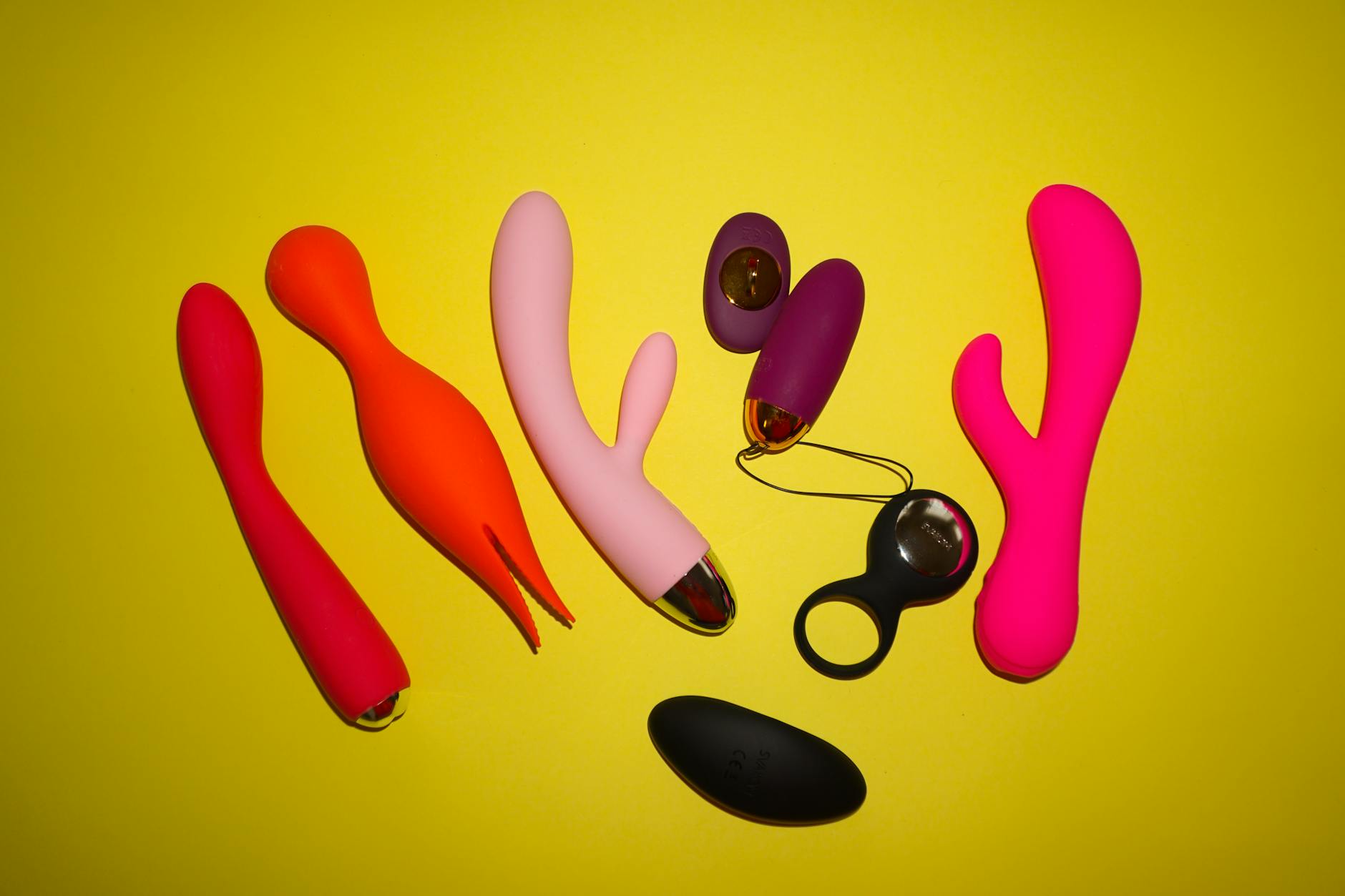
How to Use Lemon Vibrators to Improve Pleasure After Divorce or Breakup
Let's be real. After a breakup or divorce, your body doesn't feel like yours anymore.
You've spent months or years calibrating to someone else's touch, timing, preferences. Your nervous system learned to read their breathing. Your pleasure became tangled up with their satisfaction. And then it's gone. What's left is a kind of disconnection that goes deeper than sadness. It's a mismatch between your body and your own sense of what feels good.
That's where lemon vibrators come in. I'm not saying a toy is a substitute for processing grief or rebuilding identity. But I am saying that reconnecting with your own pleasure, on your own terms, is one of the most powerful forms of recovery available to you. And lemon clitoral vibrators, with their unique suction technology, make that reconnection feel less clinical and more like rediscovery.
Why pleasure matters after a major relationship ends
When a long-term partnership dissolves, your nervous system is dysregulated. You've lost the person you were used to being intimate with, yes, but you've also lost a mirror. Someone reflected back your desirability. Someone wanted you. That feedback loop, even when the relationship was struggling, was something your body knew.
Now it's quiet.
Reclaiming solo pleasure isn't vanity or avoidance. It's neurological repair. When you experience your own orgasm, triggered by your own hand and your own choice of tools, your brain remembers something crucial: you are the source of your own good feeling. You don't need someone else to validate that you're worthy of pleasure. The evidence is right there in your body.
Many clients I work with report that this realization, more than anything else, shifts their sense of agency in the breakup aftermath. They go from feeling abandoned to feeling self-directed. That's not pop psychology. That's measurable change in how they move through the world.
The lemon vibrator advantage for solo reconnection
Traditional vibrators are fine, but they're a bit like reading an old love letter while trying to move on. You're still kind of in conversation with the past. Lemon vibrators, specifically the suction-based models like the Lem, work completely differently. They use gentle air-pulse stimulation instead of buzzing friction. This matters psychologically and physically.
Physically, suction stimulation feels gentler initially. After a breakup, many people notice their tissues are more sensitive or defensive. Your nervous system is in protection mode. A clitoral vibrator that relies on suction rather than direct vibration often feels less intense, more exploratory. You're not forcing pleasure. You're inviting it.
Psychologically, suction feels newer. If traditional vibration reminds you of shared experiences with a partner, trying a lemon suction toy creates a new sensory imprint. Your body learns pleasure through a mechanism it hasn't associated with your relationship. That's huge for moving forward.
Getting started with a lemon clitoral vibrator post-breakup
Solo play after a breakup is often awkward at first. You might feel guilty, weirdly sad, or just disconnected from your own body. Here's how to make the transition easier.
Start small and slow. Set aside time when you're not drowning in grief. This doesn't have to be a ritual or special occasion, but it should be a moment when you're not actively catastrophizing. Light a candle if that helps. Put your phone in another room. Give yourself 20 minutes with no agenda.
Use the lowest intensity setting. Most lemon sexual toys have multiple settings. Begin at pattern 1 or 2. The goal isn't orgasm on the first try. The goal is sensation and curiosity. Notice what feels different when you're the one in control. Notice how your body responds when there's zero pressure to perform.
Spend time just exploring. Lightly press the lemon vibrator against your clitoris without activating it. Feel the material. Notice the weight. Activate it at the lowest setting and let it run for 30 seconds, then pause. You're teaching your nervous system that this is safe and that you can start and stop whenever you want. That autonomy matters after a relationship where your pleasure was entangled with someone else's needs.
Expect emotional release. Sometimes pleasure after a breakup triggers tears, not screams. If you find yourself crying during or after solo play, that's okay. You're reconnecting with a part of yourself that went dormant. Let it come up.
The psychology of choosing your own tool
There's something symbolically important about selecting a lemon vibrator for yourself. You're not compromising on what feels good because your partner prefers something else. You're not choosing based on what you think you should like. You're picking based on what actually works for your body.
In a post-breakup recovery, this kind of tiny decision-making is part of rebuilding self-trust. For months or years, you navigated your partner's preferences, your couple's dynamic, shared compromises. Now you get to have opinions that stand unopposed. A lemon clitoral vibrator might sound trivial, but the act of researching what you actually want, reading reviews, and deciding based on your own body's needs is part of reclamation.
How frequent solo play supports emotional recovery
You don't need to have the goal of orgasm every time. But regular solo play, even just twice a week, helps regulate your nervous system in ways that extend beyond the moment. Orgasm releases oxytocin and serotonin. After a breakup, your neurotransmitter levels are already disrupted. Adding regular self-pleasure helps stabilize mood, supports better sleep, and reduces anxiety.
Moreover, the act of prioritizing your own pleasure sends a message to your brain: you matter. Your comfort matters. Your desires matter. Those beliefs, practiced repeatedly, change how you show up in the world and eventually how you approach new relationships.
Some clients find that once they've regained comfort with solo pleasure using a lemon suction toy, they feel more confident about what they actually want from a future partner. You know what feels good because you've explored it alone. You're not dependent on someone else's touch to feel desired. That's a completely different starting point for a new relationship than jumping into one while still grieving the last.
Addressing guilt and shame
If you were raised with the belief that solo pleasure is wrong or selfish, a breakup can bring all that up. You might feel like reconnecting with your own body is unfaithful to the memory of the relationship, or indulgent while you're still sad.
Here's the hard truth: that guilt is not from you. It's inherited. And it's actively keeping you from healing.
Solo pleasure after a breakup is not about forgetting your partner or invalidating what you shared. It's about remembering that you exist as a whole person even when they're not in your life. You deserve to feel good in your own body. You deserve pleasure that has nothing to do with anyone else's validation. Using a lemon vibrator or any other tool to reclaim that is an act of self-care, not betrayal.
The progression toward confident solo play
The first time you use a lemon clitoral vibrator post-breakup might feel mechanical or sad. That's fine. Keep using it. By week two or three, you might notice curiosity starting to return. Your body might start anticipating the sensation. By week four, you might actually experience pleasure without the accompanying grief soundtrack.
That progression is normal. You're not jumping from devastated to fine. You're gradually teaching your nervous system that pleasure exists independently of your relationship status. That reclamation doesn't happen overnight, but it does happen.
After 6-8 weeks of consistent solo play, many clients report a noticeable shift in how they feel in their bodies generally. They stand differently. They feel less apologetic about taking up space. They're more selective about future partners because they know what feeling good actually feels like.
When to consider professional support alongside pleasure exploration
If grief is so consuming that you can't access any pleasure, or if you find yourself using solo play compulsively as an avoidance mechanism, check in with a therapist. Reconnecting with your body is part of healing, but it's not a replacement for processing the emotional weight of a breakup.
The goal is integration, not escape. You're using a lemon vibrator to reclaim yourself, not to bypass the hard work of moving forward.
FAQ: Lemon Vibrators and Pleasure After Breakup
Is it normal to feel sad when using a clitoral vibrator after a breakup?
Completely. Pleasure can trigger grief because it reminds your body that you've lost something. The connection between sexuality and intimacy is real, and reclaiming solo pleasure sometimes means grieving that loss again in a new way. The sadness usually passes. Keep going.
How long should I wait after a breakup before trying a lemon vibrator?
There's no magic timeline, but I usually suggest giving yourself 2-3 weeks to sit with the loss. That said, if you're ready earlier, there's no harm in exploring. The tool doesn't care about your schedule. Your body does. Listen to it.
Can using a lemon sexual toy help me move on faster?
No, and I wouldn't want it to. Healing takes time. But reconnecting with your own pleasure does help you feel less dependent on someone else for validation and good feeling. That shifts your mindset in ways that support moving forward authentically.
Should I tell my friends or therapist that I'm using a lemon clitoral vibrator for pleasure?
You don't have to tell anyone, but I find that normalizing the conversation helps lift shame. If you have a therapist you trust, mentioning that you're exploring solo play as part of your recovery is valuable information for them. It shows self-directed healing.
What if I still can't orgasm with a lemon vibrator after weeks of trying?
That's more common than you'd think post-breakup. Your nervous system might still be in defense mode. Keep using it without the goal of orgasm. Focus on sensation and pleasure without the pressure. Sometimes orgasm returns naturally once the pressure lifts.
Is it wrong to think about my ex while using a lemon vibrator?
It's human. You're untangling your sexuality from your relationship. Thoughts about your ex might come up. That doesn't mean you're not moving on. It means you're processing. Notice the thought, let it pass, and gently refocus on how your body feels in this moment. That skill of self-directed attention is part of reclamation.
Moving forward
Breakups fracture your sense of self. You lose the identity of being partnered, the routine of shared intimacy, the mirroring of desire. That's real loss, and it deserves real grieving.
But you also get something back: yourself. Your body, reconnected to your own pleasure. Your autonomy, exercised through small choices about what feels good. Your confidence, rebuilt through knowing that you can feel amazing on your own terms.
A lemon vibrator won't fix heartbreak. But it's a tool for remembering that you're worthy of pleasure independent of anyone else's validation. And that remembering, practiced consistently, changes everything.
If you're navigating a breakup and ready to explore what pleasure looks like when you're your own priority, that's a conversation worth having with someone you trust. Whether that's a therapist, a trusted friend, or just yourself in a quiet moment. You deserve support as you rebuild. And you deserve pleasure as part of that rebuilding, not as a reward for moving on, but as evidence that you're still alive and worthy right now.